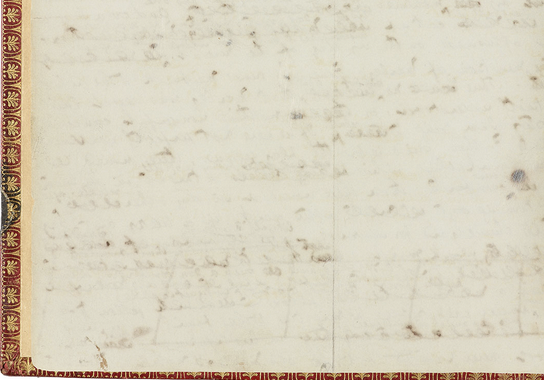
I thought about how precious the handwriting of others is
I like all kinds of handwriting—I am not a snob. I like it how it comes, in whatever medium. The irregularities of a pen with a nib and ink can be charming but they can grate, too. Preciousness of any kind irritates me. I like a ballpoint’s marks on ordinary lined paper, where you can tell a glob of ink (glob! that absolutely unsnobbable word) has caught and dragged. I like when the pencil makes a thick heavy graphite mark, almost a smear, and you know the hand that held it had a gloss of that same gray on its blade.
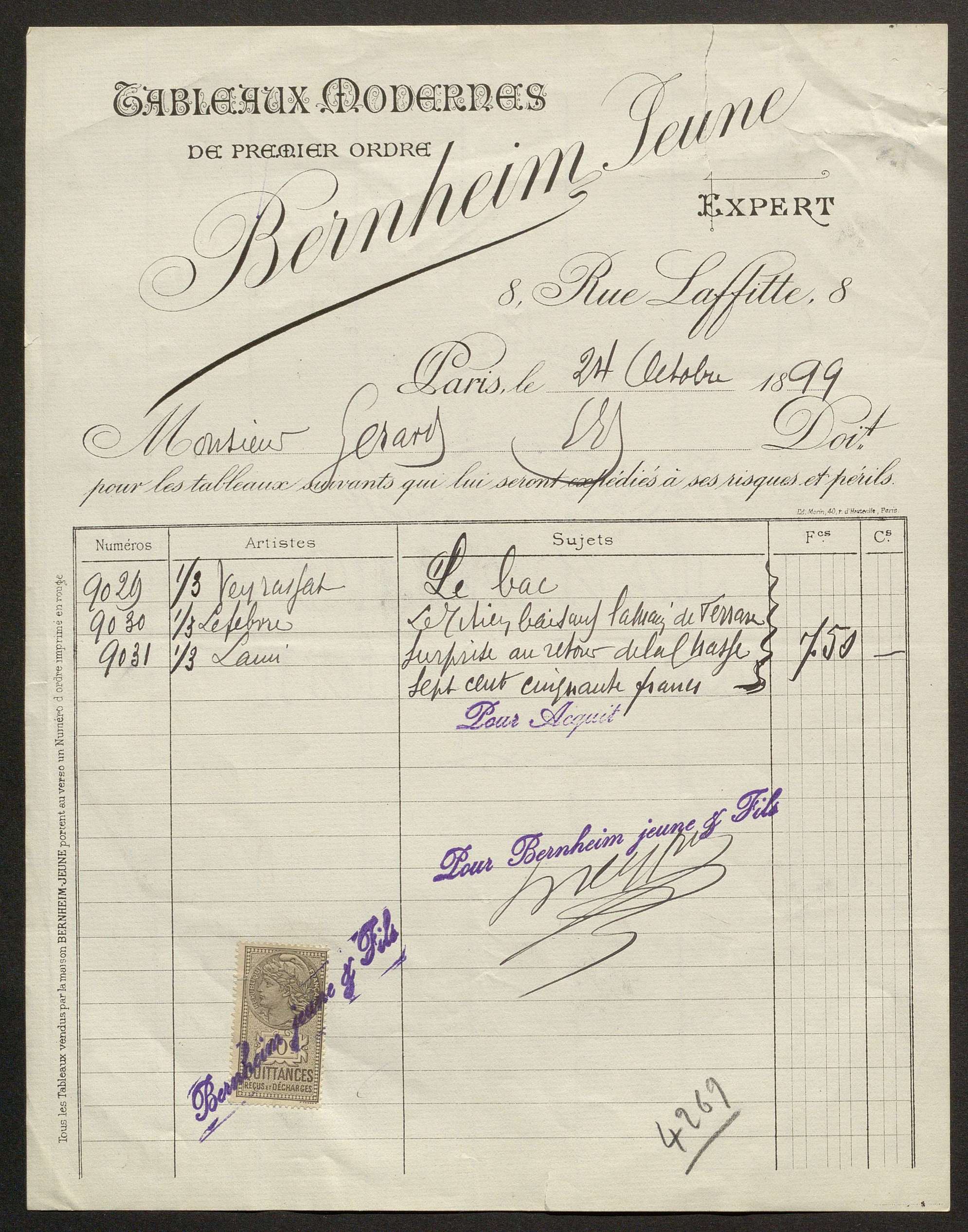
Manuscript-obsession isn’t what I’m talking about when I say I like handwriting, though. I’ve been in archives and flea markets, and I know the feeling of seeing something carefully preserved, or just kept a long time, as a specimen of another time and place. While I admire things like this gallerist’s receipt (and love the way it helps me understand its setting through its materials), I don’t feel for it. Some people do, I think. On the Place du Jeu de Bal in Brussels, I’ve seen the autograph dealers, and the philatelists who collect envelopes with their addresses intact, and the scrapbook-collectors, and the keepers of antique shops on the periphery of the square. There must be people who keep them in business, a business of loving or craving this kind of writing. Maybe the same people are drawn to 19th-century advertising plaques and antique chairs.
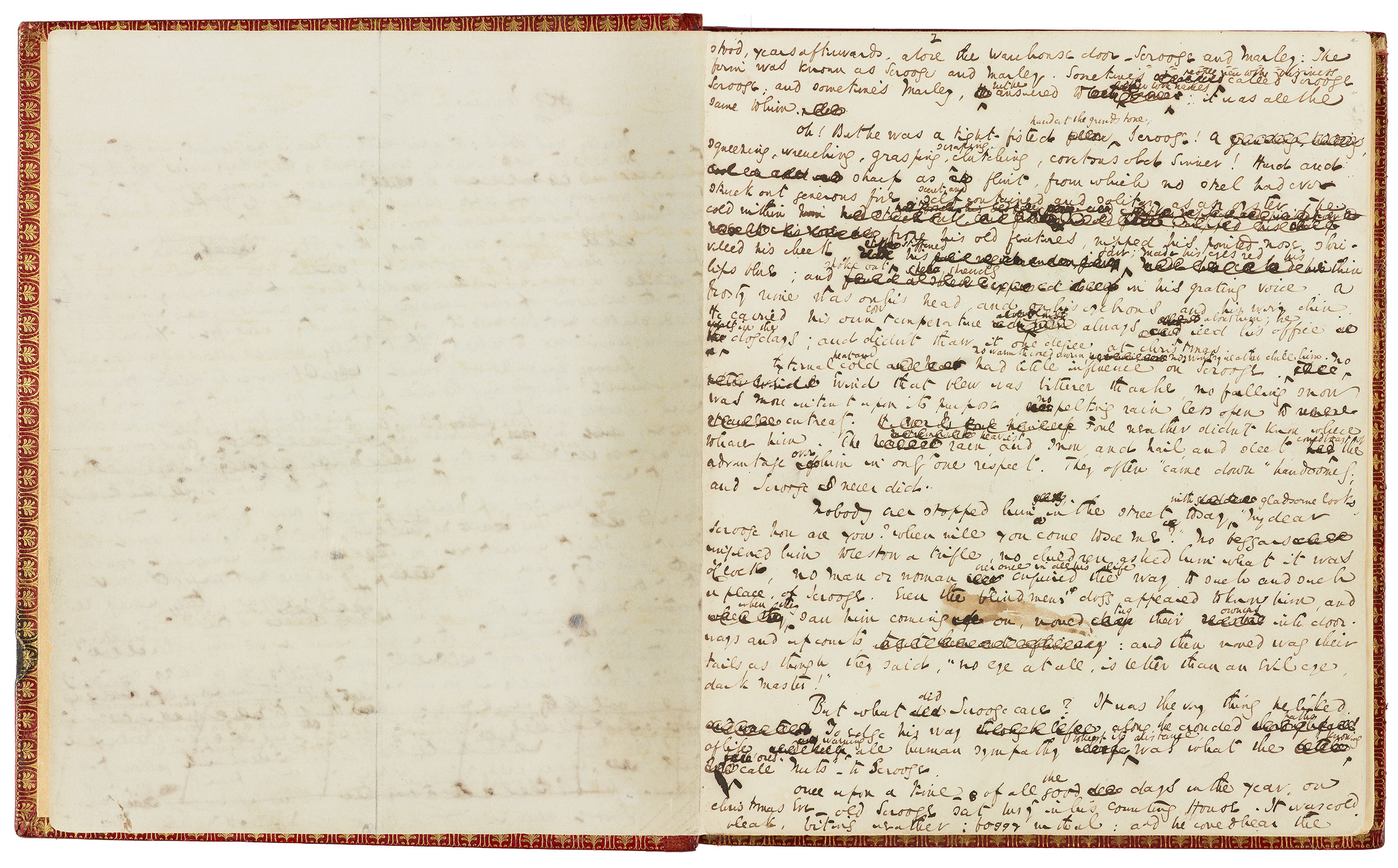
As a college student I could not have imagined anything duller than manuscript studies. Looking at minuscule differences from draft to draft and then arguing about what they mean? Seriously? (Back then, I believed in the single genius model of writing and thinking I’d been offered as a tacit part of my education. I didn’t yet have an understanding of time and process and shared creation that would let me see what manuscripts could teach.) Now I love that manuscripts can tell so much about thinking. I am not a book historian but I am in wonder of what book historians do and how they do it. Nevertheless, these manuscripts and their uses, their meaning in the frame of book history or literary history or the sociology of literature are also not the handwriting I mean when I say I like it.
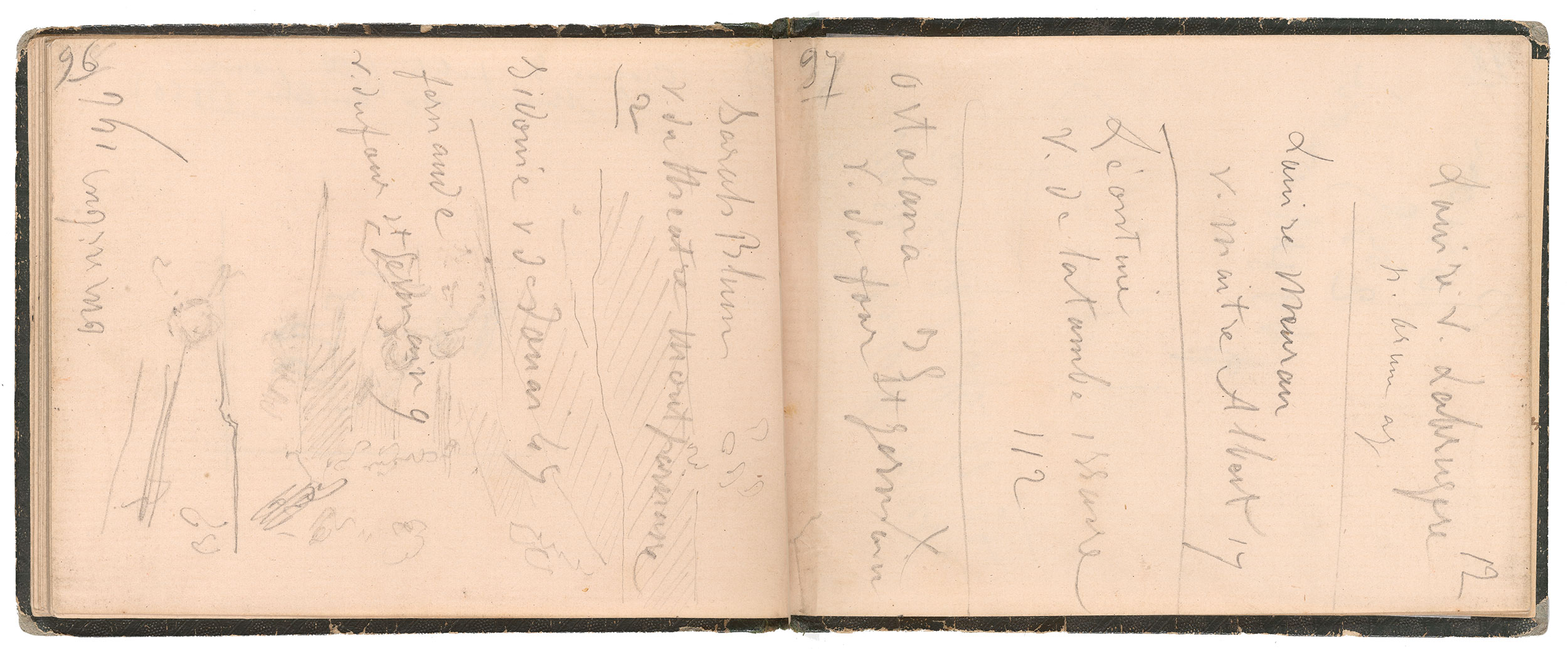
This is closer, in a notebook belonging to Édouard Manet. Handwriting that goes the ‘wrong’ way, that moves as a body moves (privately, idiosyncratically) and includes non-letter marks. Yes, closer. The word and the world almost touch. And made without a reader: not a receipt, not a manuscript. Something more useless and more private than either of those. I love our secret, shorthand ways of annotating the world.
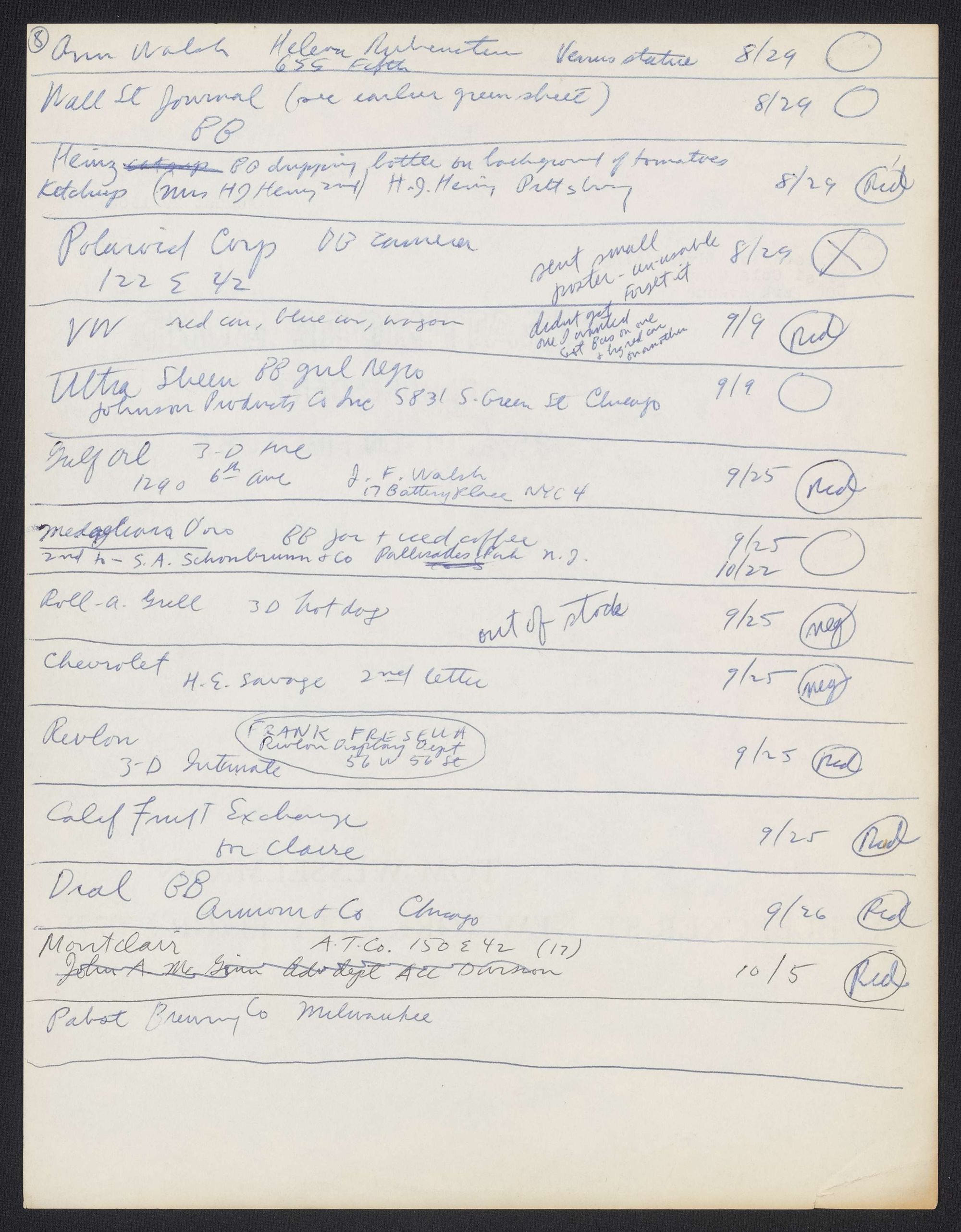
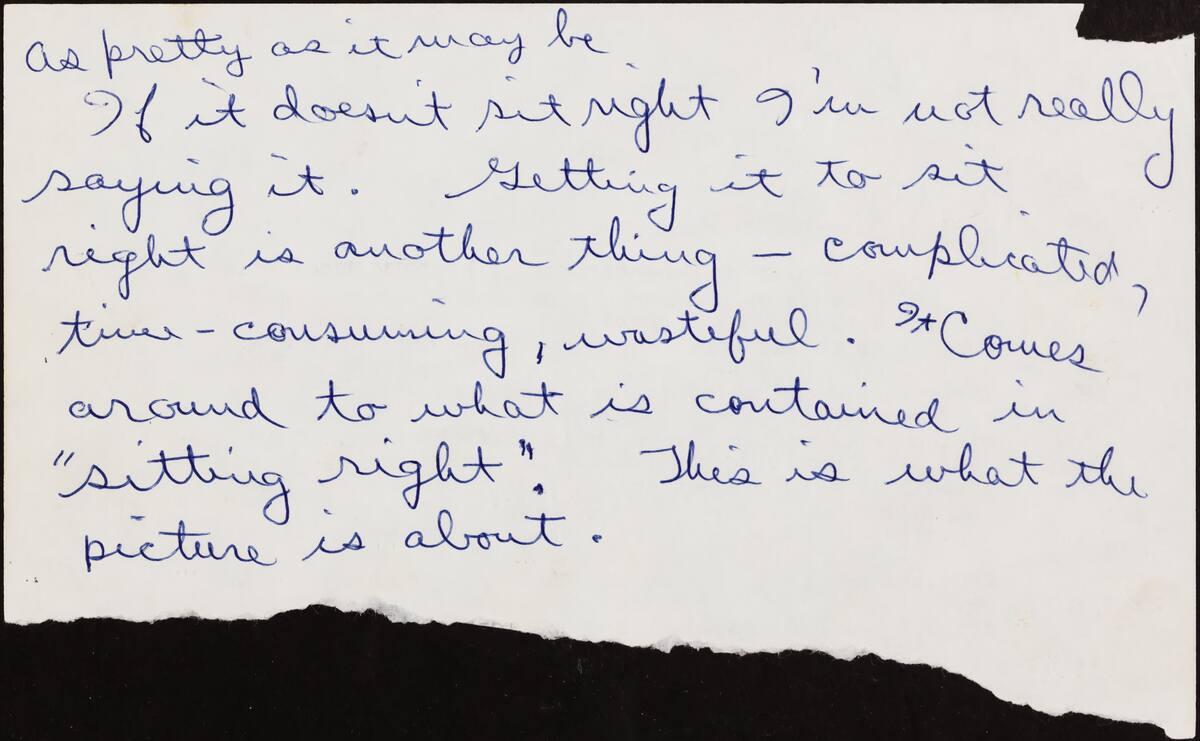
I pick up scraps of paper left behind on the sidewalk. The stranger’s forgotten grocery list, the string of a few words that have lost their context and so their sense. Hints of the real life of every other person, reminding me they are there, whole, beyond my projection or imagination. Less lonely, so. Notes that remind us what we want, where we’re going, what we have to do, what we planned, who we need (to call, to meet). Or, as in the notes below (from the archive of Richard Diebenkorn), notes that are the place we teach ourselves how to live, think, see, be together, be who we are, make what we make, understand what we are experiencing.
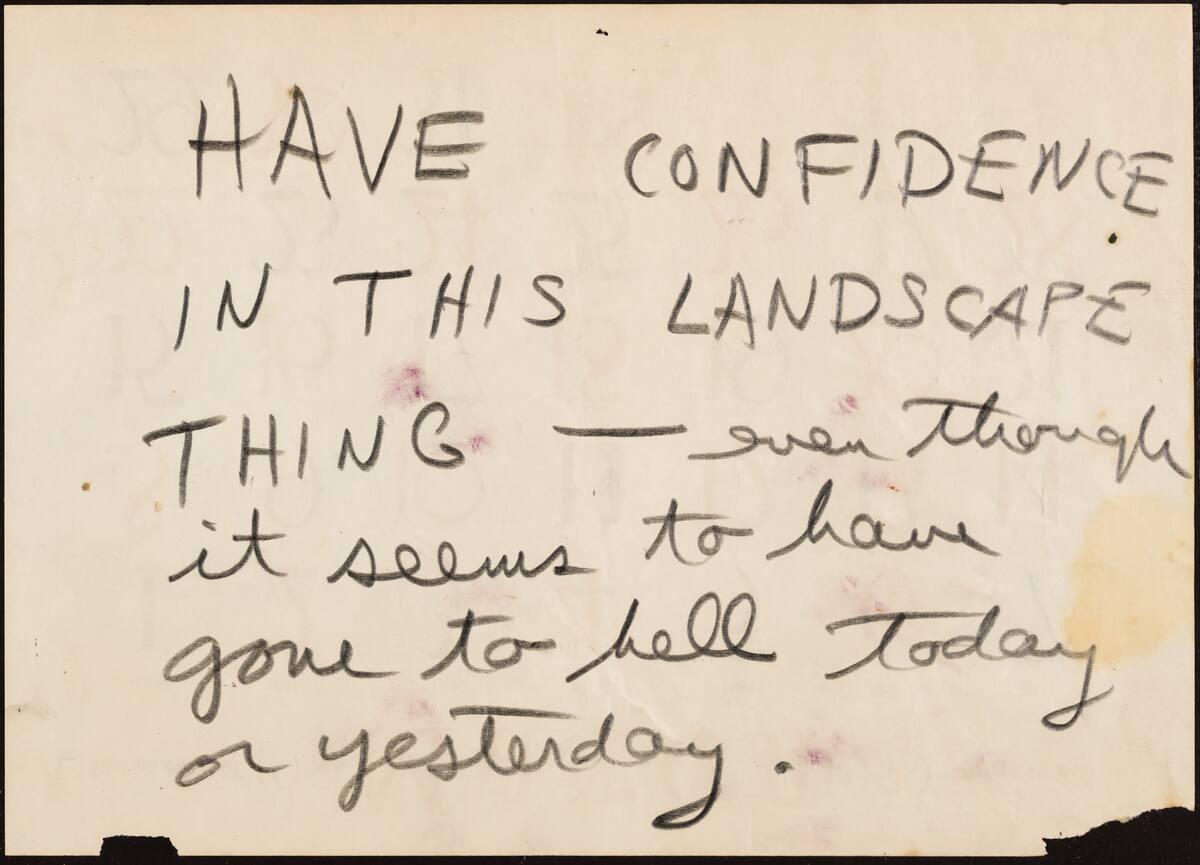
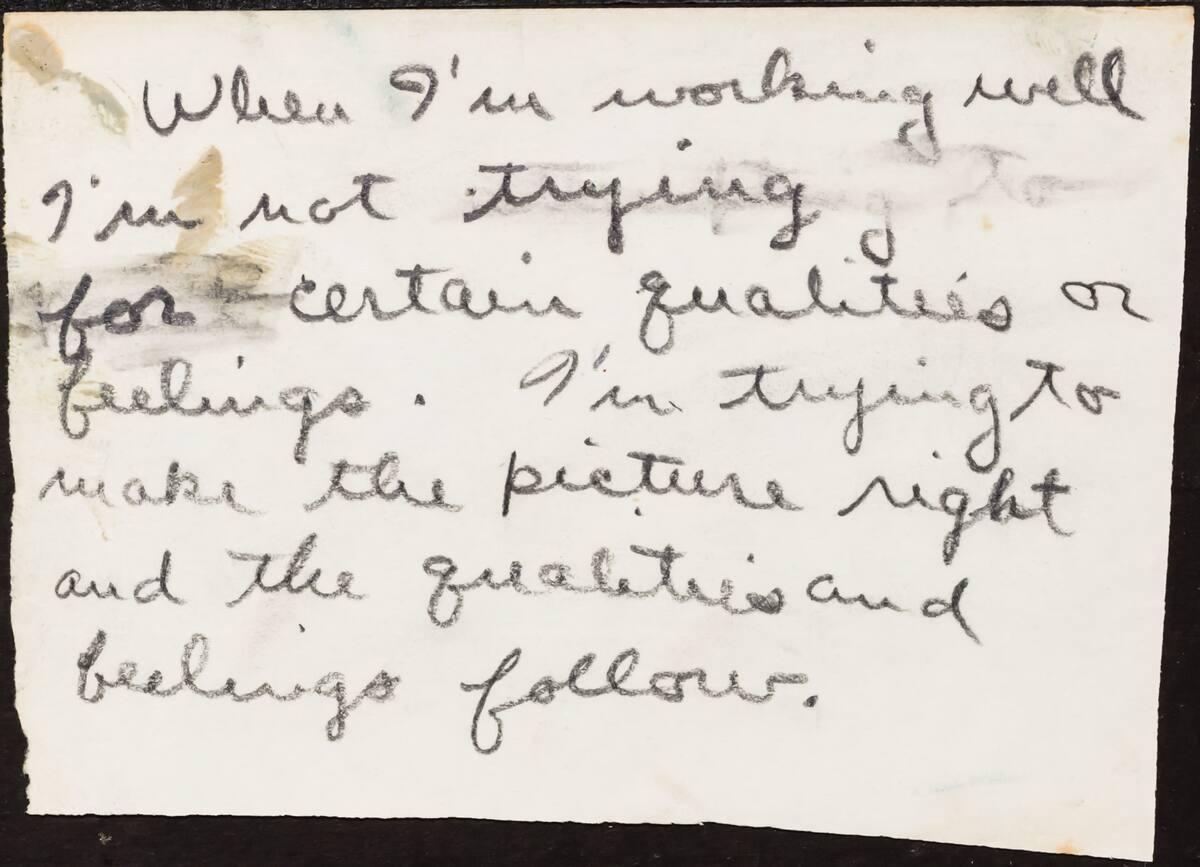
I love the handwriting that is for itself, that is figuring the idea out as it goes. Unselfconscious, maybe. Or self-conscious, conscious of the self writing (the fingertips so minutely sensitive; the blade of the hand grazing the paper; the nervous system active through the hand, the arm, the shoulder, the neck; the smell of ink and paper, their textures; the thoughts coming as the hand makes them happen). Conscious of the onliness of the self who writes: satisfied to be as singular as that person is, not needing to be seen, not needing to correct its oddities. Writing that doesn’t perform for anyone. The way it looks, with all its ‘errors’, is the richest and best way for it to look: peculiar, particular, strange, totally everyday.
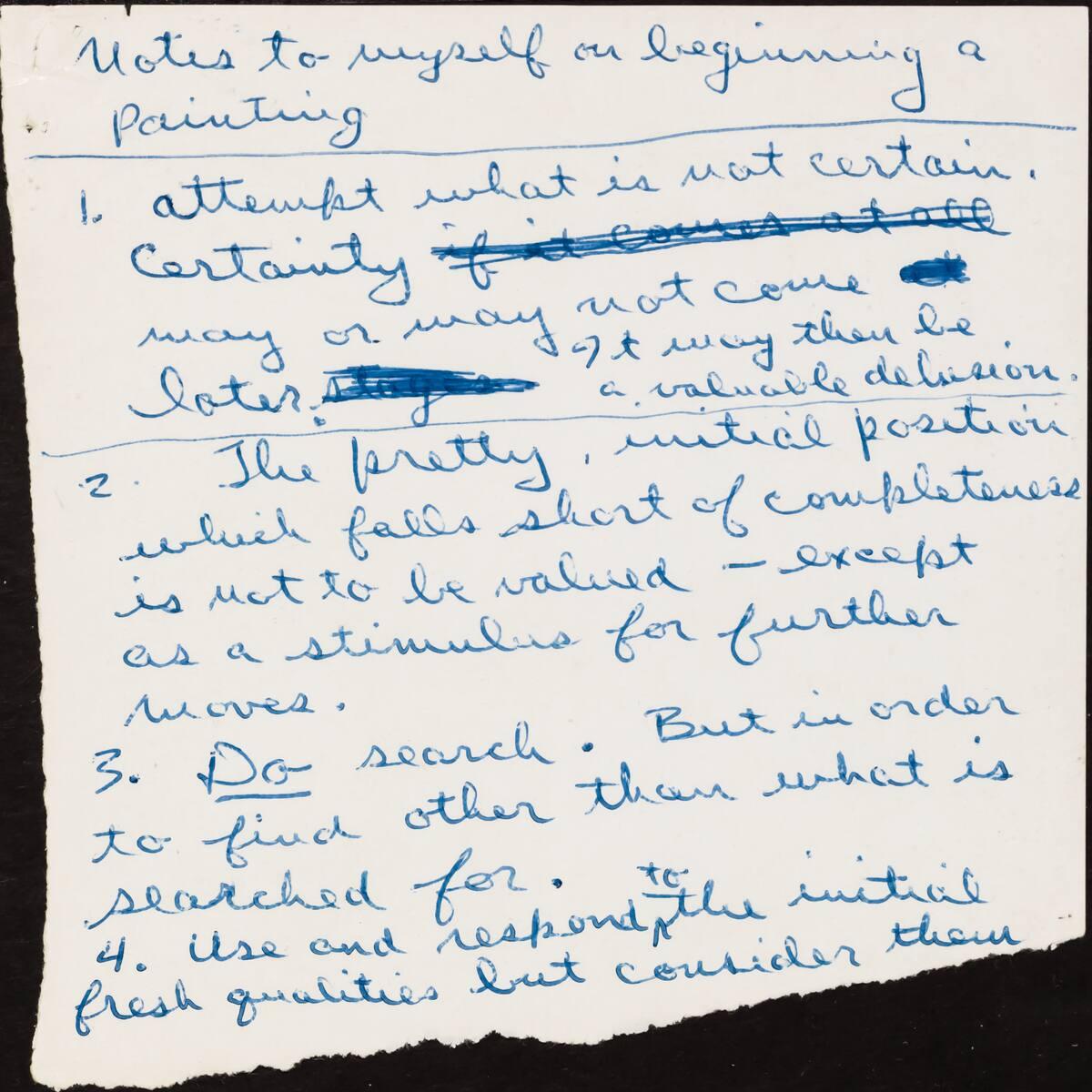
I like the lists and notes we make to and for ourselves, when it seems no one is looking. Writing that shows its ordinariness and its throwawayness, precious in the end because it is the mark of the finite one who made it.
Thank you for reading—and being—here. See you next week.