Upcoming performance: If you will be in Portland, Maine, on March 11, maybe you’d like to come to WORKS AND DAYS, a collaboration between Nina MacLaughlin, Matthew Houston, and me. Sliding scale at the door.
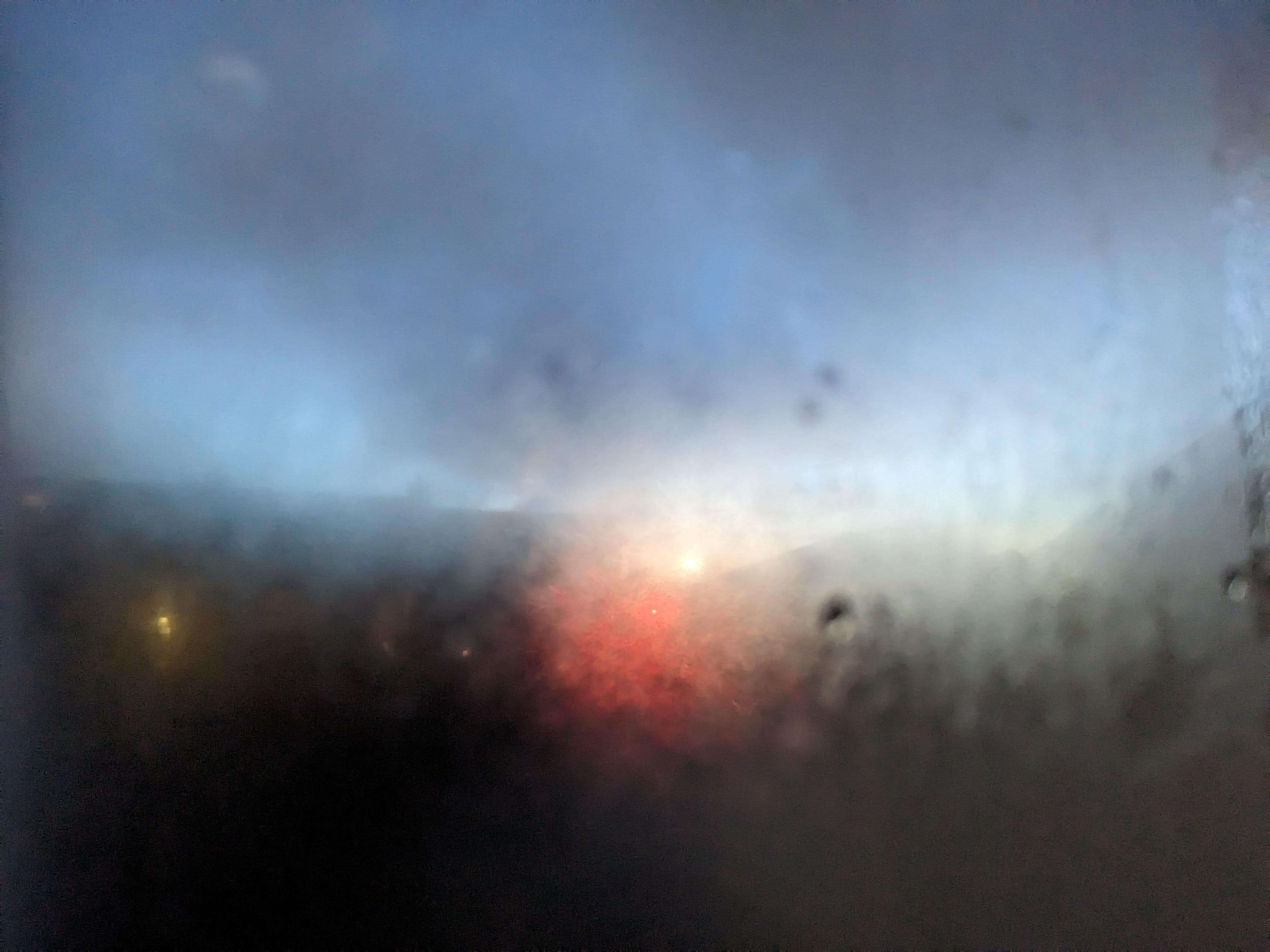
When I was in high school, sometimes my dad would drive to work, and drop me at my high school on the way. This was after the years when he seemed to bike to work every day; he would have been in his 50s at this point. In my memory he seems so young that it’s startling to do the math. Anyway, he was a teacher and I was a student although he didn’t teach where I studied. My high school started at 7:00 and I caught the bus at 6:00 but on days when my dad drove I could leave a half hour later and get to school fifteen minutes before the first bell. This was Minneapolis in the 1990s; most of the days I can remember are winter days because in my childhood winter lasted from October through April. So my memory of those mornings, those early mornings, is dark blue and freezing, with the red of taillights and stoplights on Hiawatha Ave. blurring through melting ice into the lights of downtown Minneapolis.
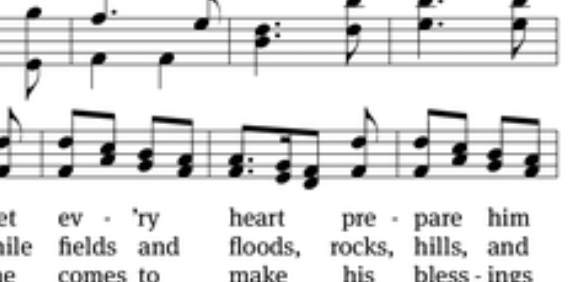
He would always have the radio on, those mornings. The radio was a constant in my father’s life. Did he love any technology as much as the radio? Maybe the record player. Maybe the camera. But the radio he loved in the ordinary way you love the things that make your day-to-day life good. He liked to listen to the morning show on KSJN, 99.5 FM, Minneapolis-St. Paul (I can still hear the announcers saying the call sign). It was on from 6 a.m. until 9 a.m. and played a mixture of folk, “world music”, indie music, oldies, and just weird stuff—Metamora’s “Little Potato” and Monty Python’s “Galaxy Song” were in regular rotation. Frequently the radio would play that song up there, Gordon Bok’s song “Turning Toward the Morning”. I associate this song with the dark, the cold, the red lights, the ice, the feeling of the heat blowing weakly out of the vents in the janky minivan heading down the road toward the center of the city, through the sleeping neighborhoods.
In How To Do Nothing, Jenny Odell writes about how listening to the radio connects us to other people—people we may never meet or even see—who are also, at that very moment, listening to the radio. She points out how different this experience of shared listening is to the experience of ‘content consumption’ tailored to individual tastes (her example is Spotify). Culture is something that we all share, and taste is the map of points that light up when we enter the field. I’ve been thinking about the smoothing of aesthetic experience that advertising-driven social media produces lately, not least as I’ve been reading two collections of essays—one by Lydia Davis and one by Robert Hass—and getting a sense of how I might want to spend my reading time this summer. Reading these books has been like being in class with teachers whose depth of reading inspires me to want the same. I haven’t read any of what Davis or Hass have. I don’t know half of their references. But the result isn’t estrangement; it’s desire. I want to commit to the work of reading and thinking and writing, of going into regions I don’t yet know how to encounter. They are making me interestedin learning, and making me remember that I’m interested in learning things I have no idea about. I don’t have to know I like it to be able to like it in the future.
This feeling reminds me of those mornings in the car with my dad, listening to a radio show that was eclectic but without a sense of its own quirkiness; eclectic because the radio hosts really did have a deep and broad awareness of what was out there, and they were curious and knew how to seek out what they didn’t yet know how to listen to. There was a network of actual relationships there that were alive and meaningful. It’s made me think about how vital it is to be willing to trust others’ expertise—real, live others: the bookshop worker, the person who sells records, the librarian, the radio host, the teacher, the friend who listens to a lot of music. How vital those relationships are to make and to maintain, because that’s how you find out how to care about what you don’t yet know how to like: going back to the same person over and over, learning to understand them, them learning to understand you. Time with art and books and music and the people who care about them. Taste, like genius, is shared, not individual; not really. And it accretes day by day, like layers of nacre in a shell. Until one day, you realize, there it is: the array of things that have formed you, some of which will also have formed the people around you, one facet at a time.
This is the 53rd essay on Bewilderment. Thank you for reading this year! The next one will be the last before I take a break from the weekly writing schedule.
If you have enjoyed this year of essays, please drop the cost of a subscription into the donation slot at UNRWA.
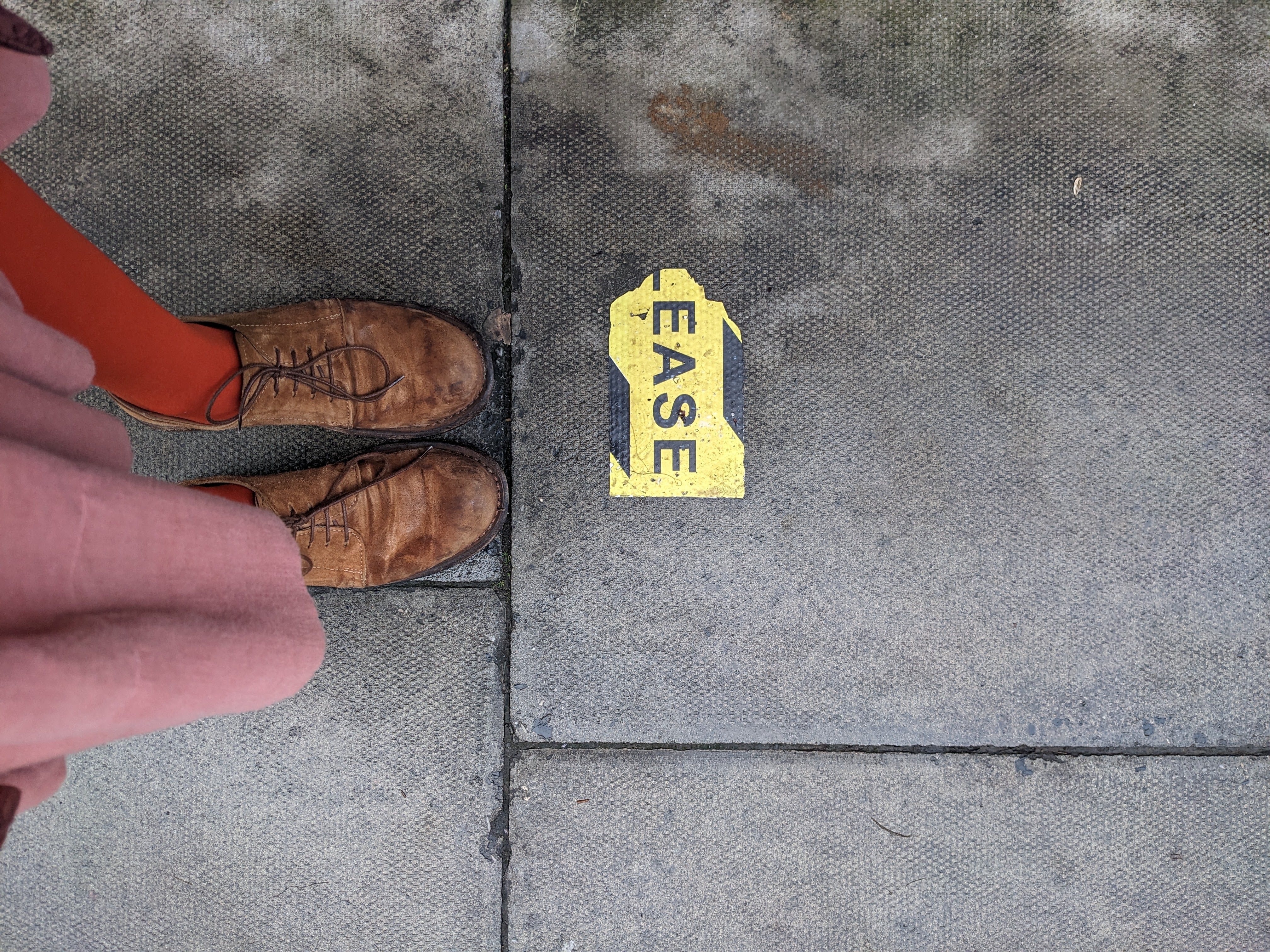
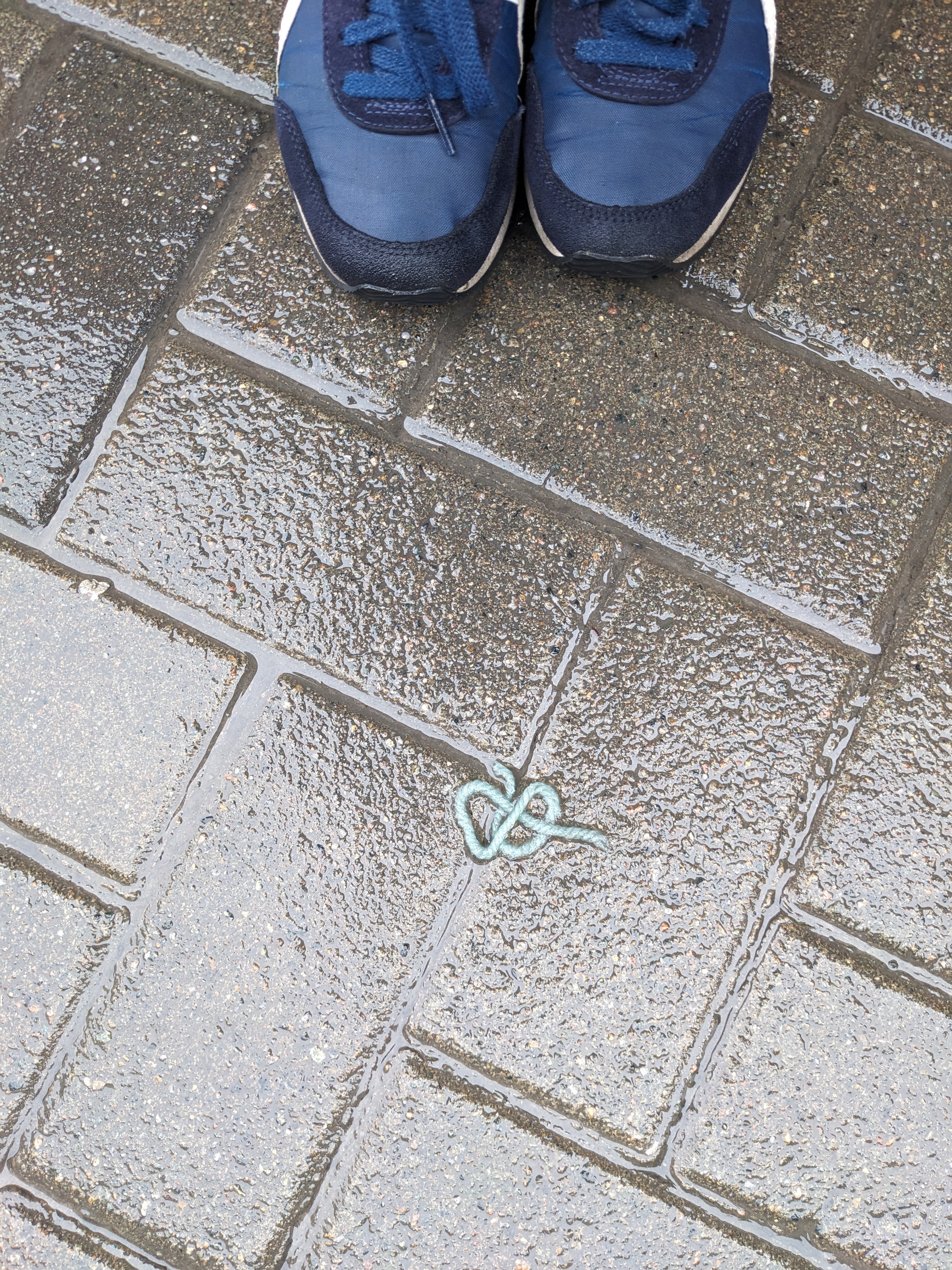
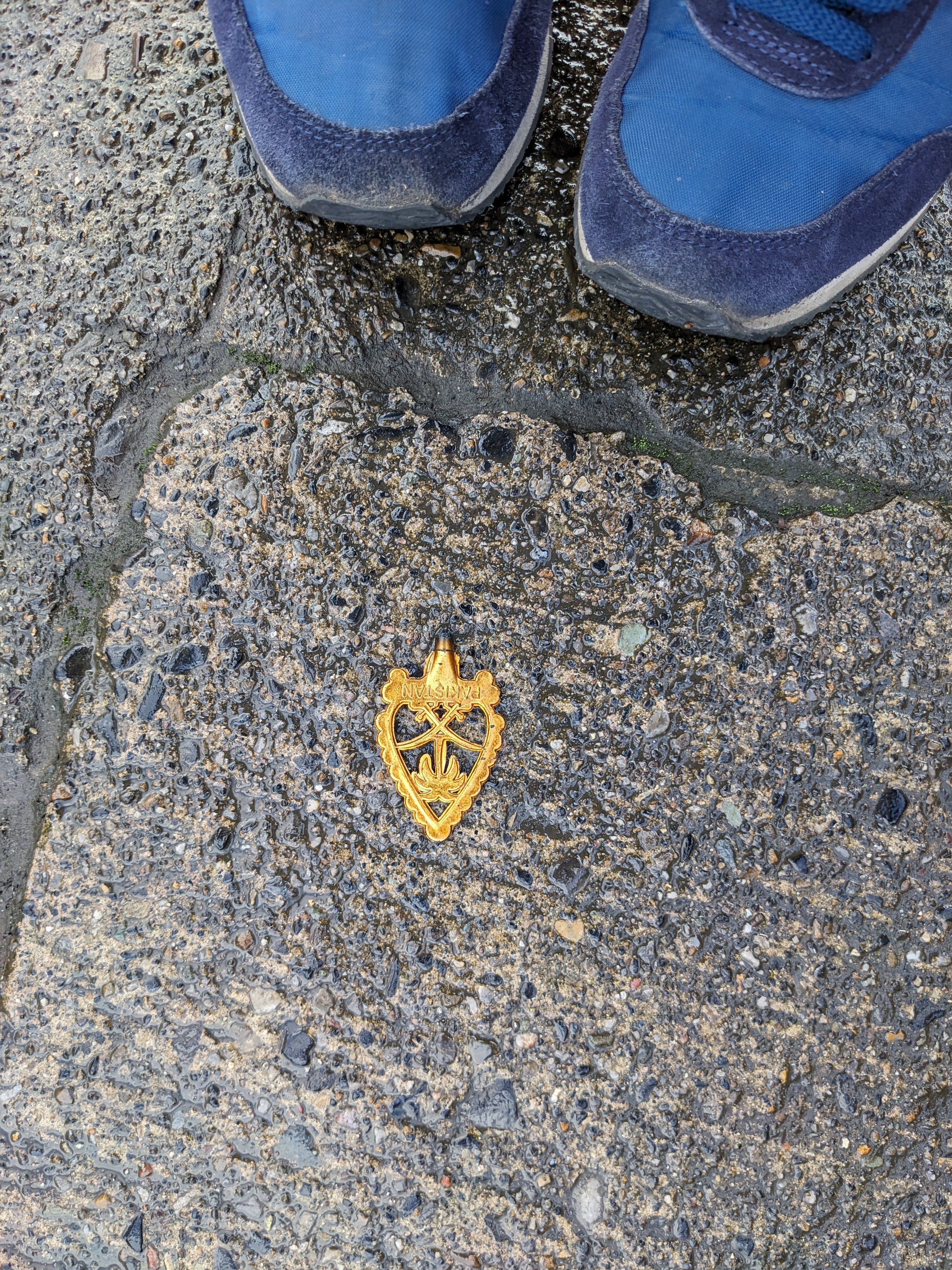
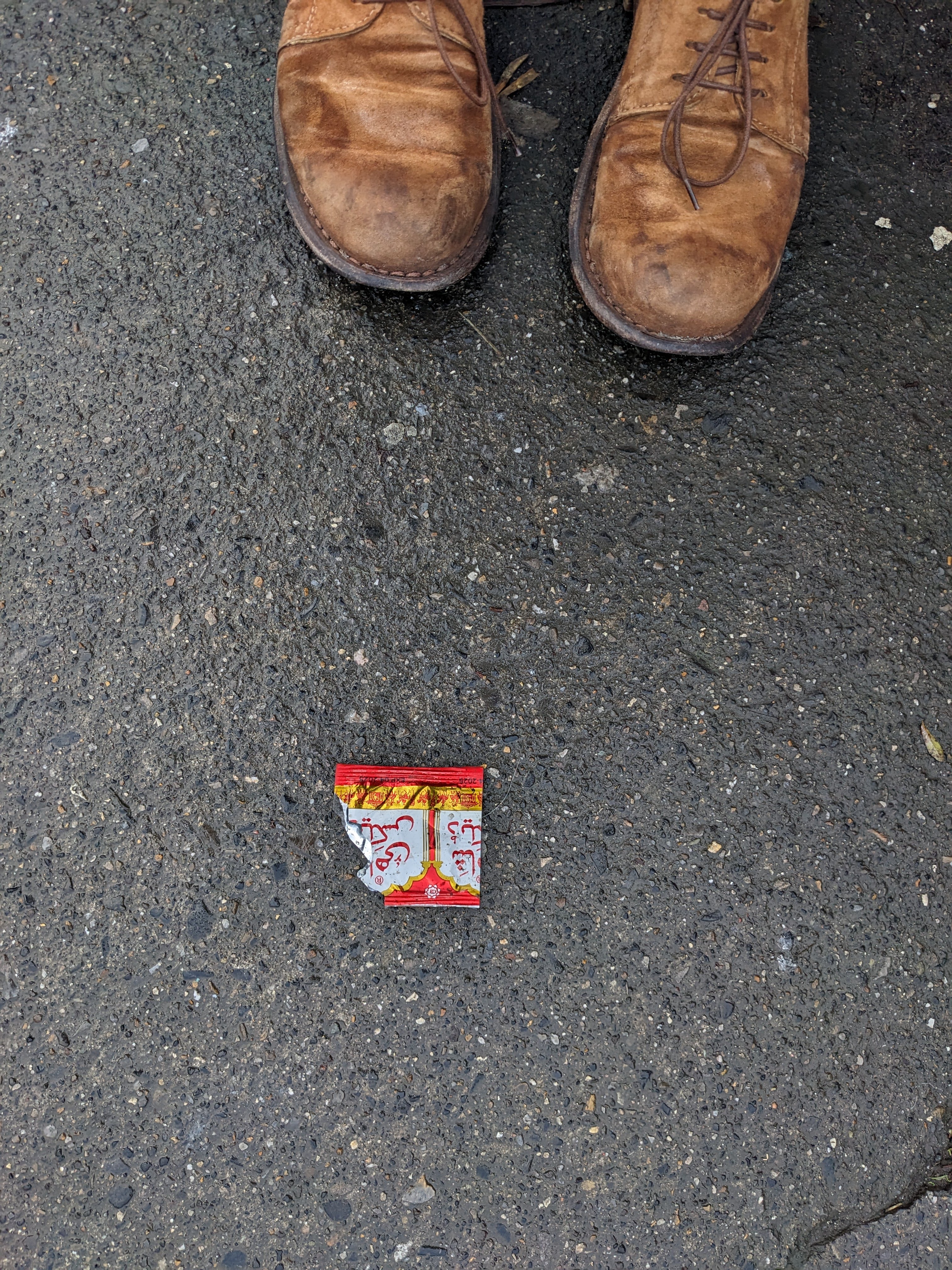
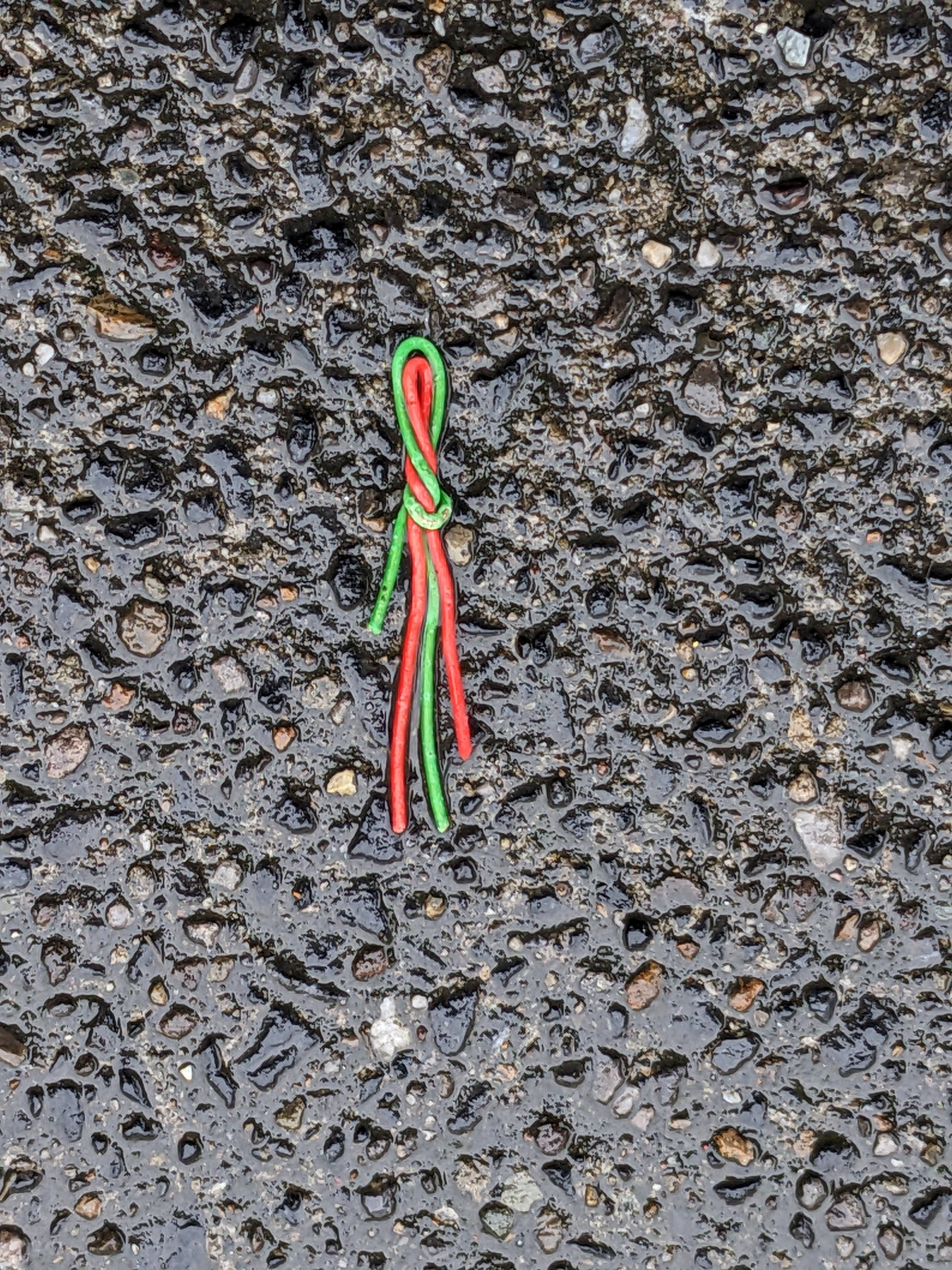
When my mother visited us in December, I realized (again, again) how much more there was to see than I had been seeing. She walks looking down because of chronic vertigo that is worse if she looks around as she walks. I must have assumed there wasn’t much to see down on the ground because I was worried she “wouldn’t see anything”—but then she started asking me to take pictures of all the different grates, grilles, iron utility and manhole covers, so she could remember her time in Dublin. So yes, once again I was confronted with the fact that there is nothing beneath notice, not to mention that there are as many ways of seeing and experiencing the world as there are people. The past few weeks, I have been trying not only to see but to really look at and record the things at my feet.
Project take-nothing-for-granted continues to encompass more and more of the world, revealing as it does more and more of the complexity of places I feel I already know, even know past exhaustion. Is there really anything left to see here? To care about? To be surprised by? I realized recently that I am tired of the places I’ve spent the past 18 months walking. They have begun to feel spent. I’m used to them. I can predict the patterns of garbage and the timings of flowers. Wrong again? Oh ho ho ho ho the world says. Look more closely. Have you seen this yet? You might be surprised at what you’ve missed.
I’m not making it up; it’s true that there is always more to see, care about, be interested in, even if I don’t feel like it (not infrequently the case; feeling like it takes a lot of energy). Also, I didn’t come to this on my own. I’ll cite one source, though there are many (some here): Georges Perec’s An Attempt at Exhausting a Place in Paris, which I read in Mark Lowenthal’s English translation in 2019 (order a copy here with free US shipping; Wikipedia article here; Archive.org copy available to borrow here; on WorldCat at a library near you? find out here). In this book, for a hundred pages or so, a man sits at the same café on the same corner for three days, and the same things happen—pedestrians, shopkeepers, buses, pigeons. I found it absolutely delightful. A model for writing and artmaking, and most of all a model for being alive.
Paris is Paris, and Dublin is Dublin. Would I get used to Paris? Well I got used to other beautiful places, so I am guessing I would. Work, commuting, the ordinary activities of daily life like groceries and cleaning—they happen, and happen to tire me out, wherever I am. Sometimes I just don’t want to be walking eastward along the Grand Canal on yet another morning. Over time maybe even the Place St-Sulpice might seem worn-in. Then what? Good to sit at a café and watch all the buses pass by. Good to walk through the Liberties, down Meath Street, past the butcher again, take a look at the pork kidneys, take a look at the mackerel, silver in their stainless steel containers in the window. In Leopold Bloom’s city as in Perec’s, a lot of nothing happens and the repetition of all that nothing turns out to be beautiful, weird, funny, interesting. One stitch at a time.
What else is there to say? Our ordinary lives are all we have.
Necessary Fiction has a newsletter now and it is like getting a magazine you will actually enjoy, once a week. Timothy Otte reviewsSeriously Well by Helge Torvund (translated by the author); I’d read a review like this every week.
A woman I followed on Twitter since the very earliest days died this week. Her name was Shafiqah Hudson, and she made the hashtag #yourslipisshowing and did so much work around misinformation online. I can’t believe she has died. You can read about her in context here and here. I’m not sure what to do with this kind of loss—someone I didn’t know but whom I read for many years—but her work mattered to me and I know it mattered to many others. And now you know her name too.
We can send UNRWA some money here for the ordinary lives of people in Gaza.
Making a livable space, to one’s own taste, to fit one’s own needs, is a perfectly human activity, one that our shared humanity obliges us to preserve for one another. In making our houses, we make worlds: we experience what it means to be creative, inventive, curious, and capable. Living in a place of one’s own is for everyone. It’s not for sale (paywall should be down). Houses aren’t an investment opportunity. Dignified housing isn’t optional; it’s not just for people who happened to buy property before a bubble, or whose parents left them a house, or who inherited a down payment, or who work at jobs that pay a salary high enough to afford something, or who have an in on a house before it hits the open market. Housing is, very simply, for everyone. More than just the fact of a room and a roof—the ability to determine how to live in one’s own house is for everyone. A fundamental thing, to be able to make a home.
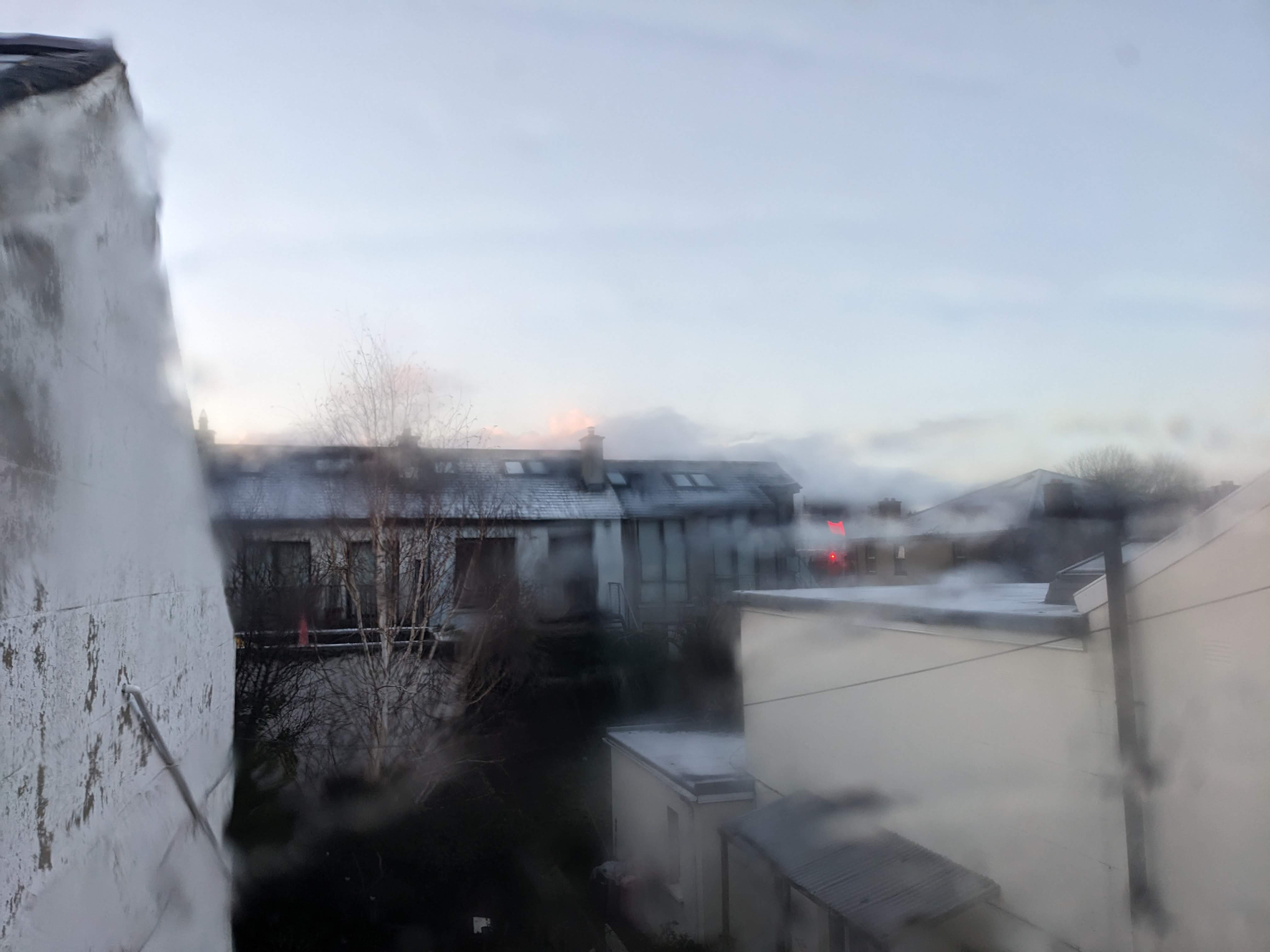
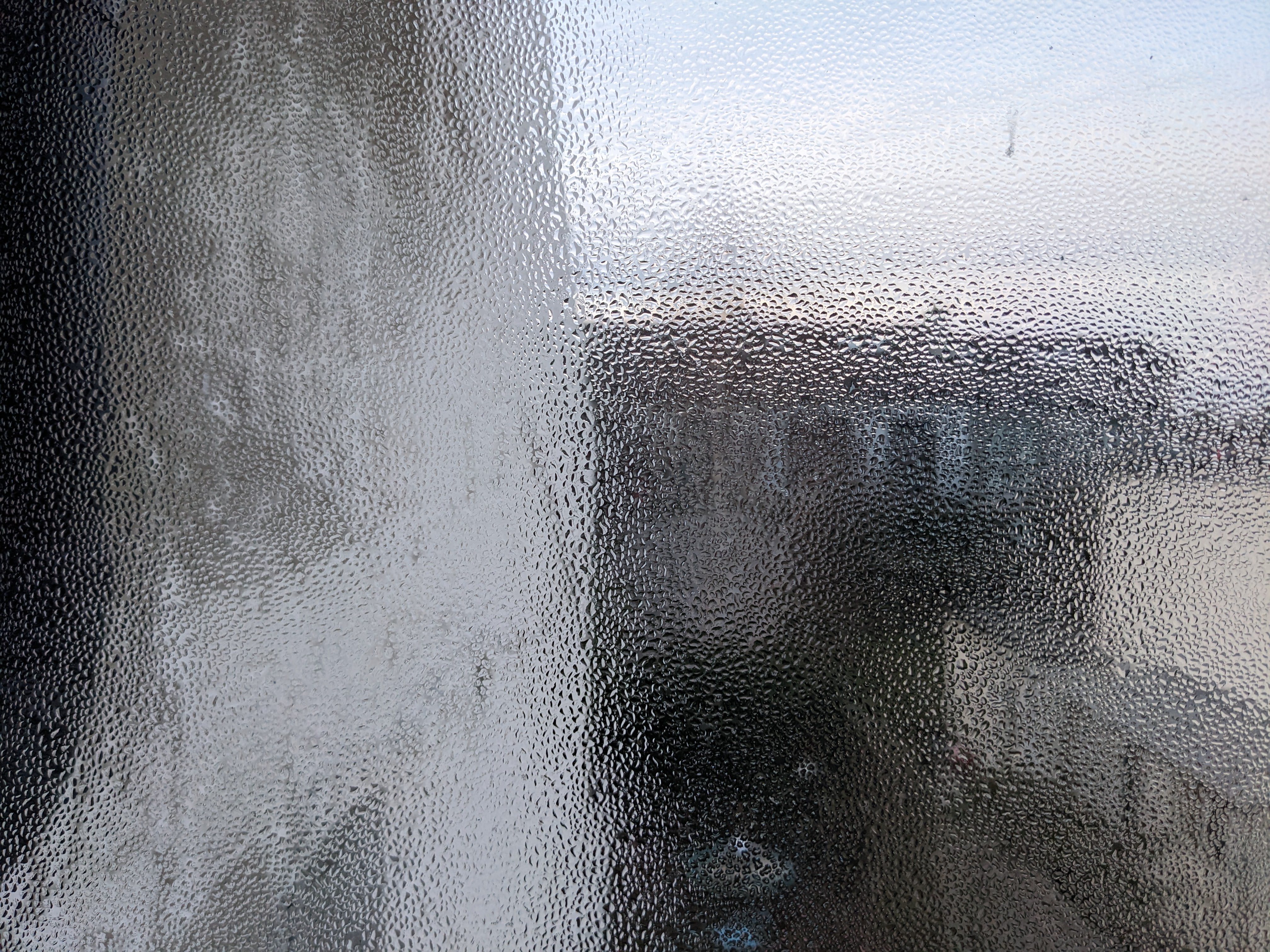
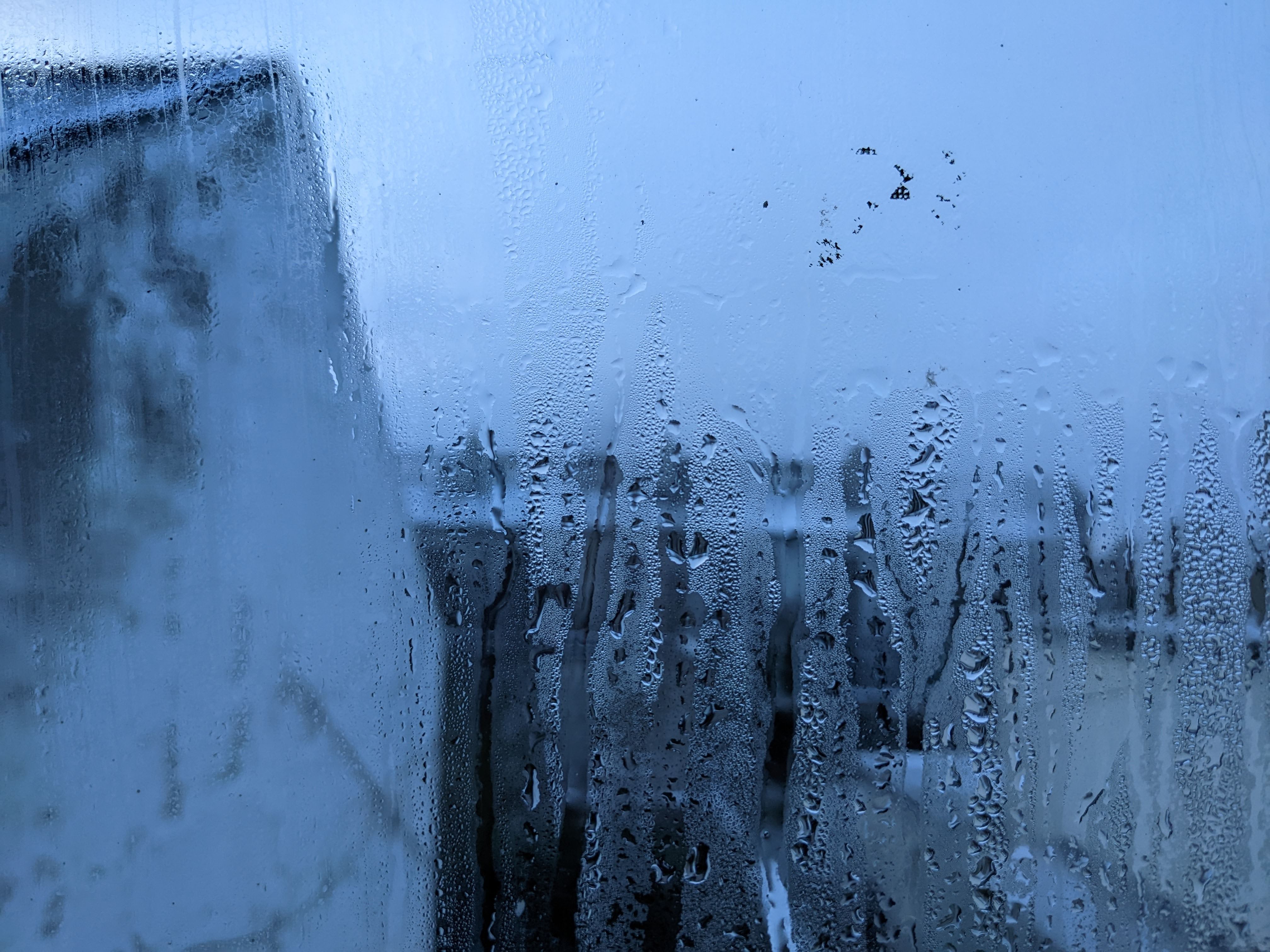
We overlook our landlords’ back garden and the back of their house. It’s cold in Dublin, cold for Dublin, as I write this in early January; it’s not as cold as some places, but cold nevertheless, in a city where some people still heat with fires and where there are many people sleeping outside, in a city where damp permeates the walls no matter how long you run the heat. In the mornings, any morning when the overnight temperature has been below 10° Celsius (50° Fahrenheit), our windows are fogged with condensation that takes an entire day to clear, if it does. The water runs down the windows and collects in gutters on the sill. We mop it out, spray the windowframes with vinegar, and still: black mold and gray mold grow on the painted frames, the metal frames, the sills and the window glass. I can see the back windows of my landlord’s house, and they are never foggy. Not even on the coldest mornings.
Every time I talk (or think) about the conditions of housing I share with so many people, I am reminded of James Baldwin writing about “the chorus of the innocents screaming, ‘No, this is not true, how bitter you are!’” and the steadiness of his insistence that he does know the conditions of his nephew’s life, and his own, because he was there and the “innocents”, his white fellow-citizens, were not. The accusation of bitterness, or shrillness, is on my mind when I write to my landlord and adjust my tone to seem conciliatory rather than demanding; or when I talk about what tenancy does to human beings but try not to make anyone in earshot feel bad for owning property; or when I reveal the facts of my life—the material facts of damp, mold, cold, expense, precarity, ugliness, and inflexibility that are the conditions of rented housing—to others, but try to make a joke at the end. Sara Ahmed, writing that “When you expose a problem, you pose a problem”, helps me understand Baldwin, and my own life, too. Bitter? No, I am not bitter—I am trying to be direct. I am trying to see my life clearly and to be honest about the conditions of it. I’m trying not to let myself imagine that if we could just get a house of our own, everything would be better. I’m trying to remain in the discomfort of posing a problem. I have the lived knowledge that poorly maintained, poorly insulated, expensive, disempowering, unhealthy and even unsafe conditions that are sometimes impossible to remediate are the conditions of life for nearly all people who rent, and that these are not, generally, the conditions of the lives of those who own the places we live. And yet our lives, including the vital activities of our housekeeping and homemaking, are not second-class lives.
Dear [Landlord],
Thank you for your email. I wanted to remind you that our lives and our comfort are paying your bills. My lungs have not been the same since we moved in, despite our consistent efforts at mold removal. And although you generously outfitted the apartment with your cast-off furniture and chipped plates, you may be surprised to hear that your table-lamps, dishes, IKEA paintings, and scented oil–diffusers are all packed away neatly in the apartment’s one storage cupboard to make room for the pleasing, beautiful things that we have collected over the course of our lives and like to live among. Yes, Landlord, we like our things, and we like to make the place we live reflect our preferences. The picnic furniture—fluorescent yellow seat cushions, rigid iron-and-wicker frames—that you provided in lieu of kitchen chairs takes up a lot of space in the kitchen, but we have moved it to the side so that we can have our own chairs at the table. We can’t do much about the huge, slightly broken couches you put in the apartment, but we have moved them around to suit our taste, and we have found ways of padding the seats with cushions so that sitting on them for longer than ten minutes doesn’t hurt the back. I won’t even mention the moths we have eradicated, or the dead animal we have been trying to find in the wall or in the attic, that you seem to be in no rush to address, or the fact that there is a significant crack in our ceiling that arrived with last summer’s heavy rains that you have yet, six months on, to find a roofer to check out.
I am aware that you are responsible for property taxes, for upgrades and improvements to the building, and for certain other legal requirements the state imposes on landlords. Are you aware that the current average rent in Dublin is €2300 and that the average salary is around €3200 per month? We pay slightly less than that average rent to you at the end of each month. What does our €25,000 per year become, in your bank account? In ours it might be savings toward a down payment, or an emergency medical fund, or money to send to family members, or contributions to others’ emergency funds. Maybe we would buy books with it? I honestly can’t imagine what an ‘extra’ €25,000 per year would be like, or imagine a world in which that would feel anything other than embarrassing.
Let me make a modest proposal. You already have a house of your own. Let us free one another: you give us this apartment, which has, after fifteen years of tenants, more than paid for itself (the sale price appears in the public record) and we will take care of the property taxes, the mold, the dead pigeons in the attic, the boiler upgrades etc., from now on. As we will no longer have rent to pay, we will put our yearly €25,000 toward housing—down payment contributions, emergency fund, whatever—for someone else. I look forward to your thoughts.
Meanwhile, elsewhere, people are living in rubble, and near and far people are living in tents. My god. Homes, safe, warm, dignified, and freeing, for everyone, everywhere. A little thing we can do from here. And this (US), and this (US).
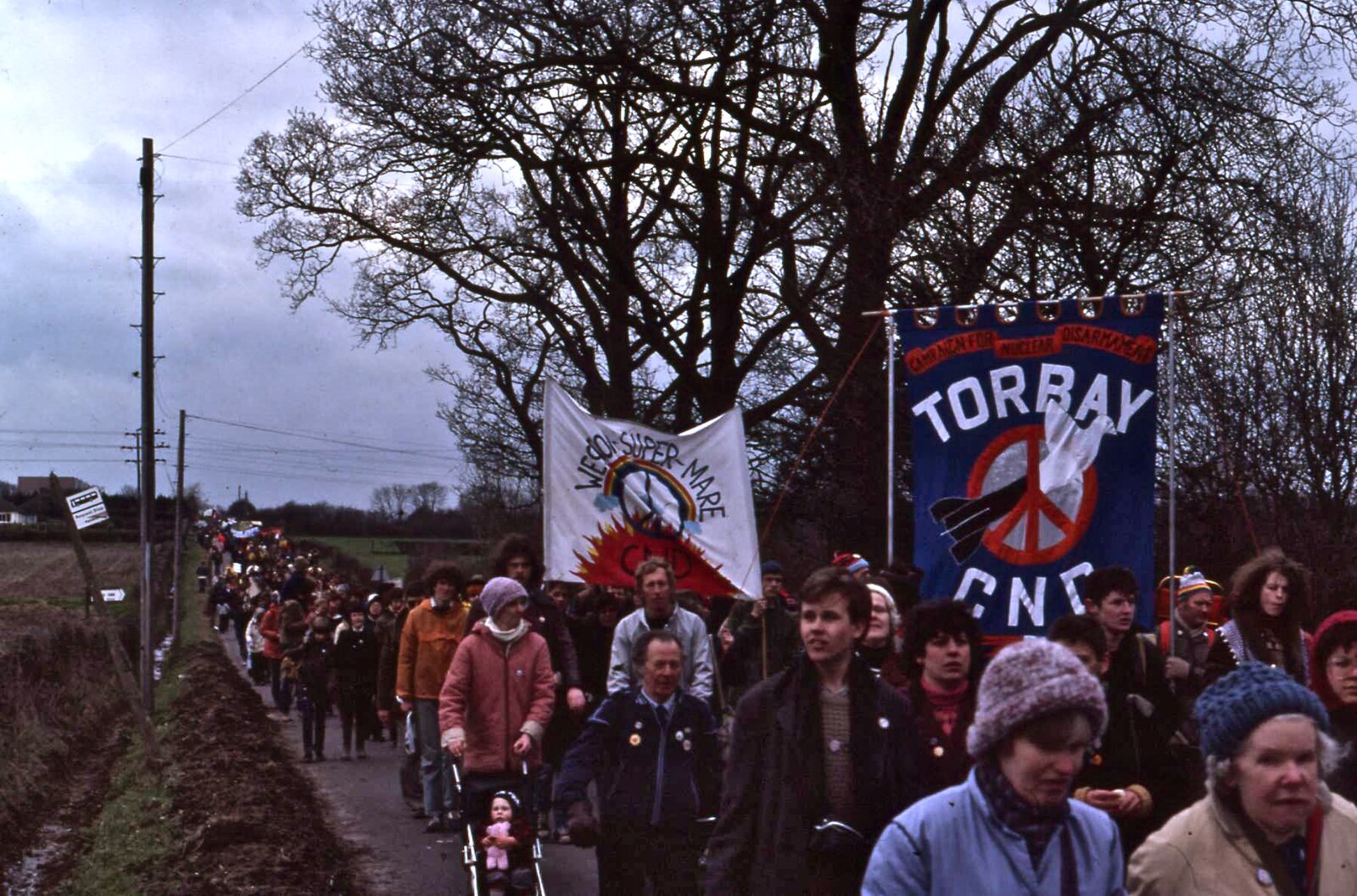
In my earliest memories we are walking together. We are walking together along the sidewalk, wall on one side, street on the other. We are carrying banners. We are carrying signs. We are in strollers or pushing strollers; we are carrying babies. We have mobility aids, we are using wheelchairs, we are helping one another walk, we are striding forward with the people we love and with people we don’t know. We are under the white-gray sky of an upper Midwest January, and it is ten degrees below zero Fahrenheit and it is too cold to snow and here we are: walking. We are walking toward the state capitol building, all of us, together, hundreds of people, sometimes thousands of people. We do this over and over, weekly, monthly, for years. We do it despite the fact that there is no directly attributable change because of it. We show up and we walk together. It is cold, it is uncomfortable, it can be tiresome, there are more immediately pleasurable things to do. But once we get close, once we hear the crowd and see the banners and the signs, we know again: there is no better place to be.
Nuclear freeze marches and rallies. Grape and lettuce boycotts. Chocolate and formula and cereal boycotts. Women holding anti-war signs every week for decades on a bridge over the Mississippi River. Nuns jailed for protesting torture schools funded and exported by the US government. Teenagers and elderly people blockading the driveways of the arms manufacturer. Teachers’ union strikes and farmworkers’ strikes, anti-apartheid strikes. Anti-war march after anti-war march. Free stores and soup suppers. Folk concerts at the local college and in the public park, in the train station. City buses and bicycle lanes. Student strikes, graduate teaching/research assistant strikes, university staff strikes. Occupy. Sleepouts with unhoused neighbors. Underground abortion networks and abortion funds. Act Up posters made on kitchen tables, zines reproduced at copy machines. Curb cuts at every corner, walk signs that we can hear as well as see.
If these actions do not appear on the map it is not because they don’t take place, it is because they do, but their accretion over time, the accretion of their effects over time, is minuscule and subversive and those effects weave themselves into the fabric of everyday life, such that it can be taken for granted that some of us now have weekends and the right to unionize, that certain pesticides and herbicides are banned, that some kinds of equitable access to buildings and institutions are available. And there is still time for more of these minute actions, for example because there are still workers whose hands prune apple trees in freezing January temperatures and who breathe in soot in summer fire season, and there are still new weapons being developed and tested. There is still work to do, and we are the ones to do it. And it is, still, “always too soon to go home”, words I take from Rebecca Solnit’s Hope in the Dark, her prismatic collection of essays on the ends and beginnings of the world. Does it sound like a lot of work? It is a lot of work, but we are a lot of people and we have our whole lives, every single minute of them, for it.
On the side of life is every action, no matter how small, that helps to make a rich life, a free life, possible for everyone, in concentric rings of solidarity and care. The rings say: we are involved with each other. You are mine; I am yours. The specifics are specific to our places, relationships, points in time, knowledge, needs and abilities. A general answer or a single strategy is unfit for the specifics of our lives—responses have to be worked out, over and over, in time and space, among and between us; the complex demands of living in this world with others require modesty and humility and patience and attention and ongoing work and a cheerfulness that is not optimism but a willingness to be honest about both history and the present. To me the guide is: does something make a rich life, free life, more possible, for more than only me? There are no heroic acts in this frame, no one-and-done solutions; there are only the tiny, continuous trueings of a compass both personal and social to the north star of no one is free until everyone is free.
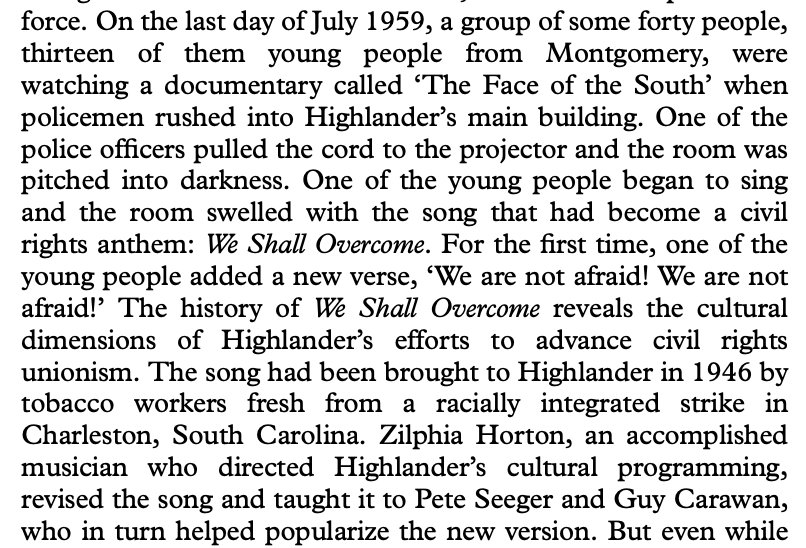
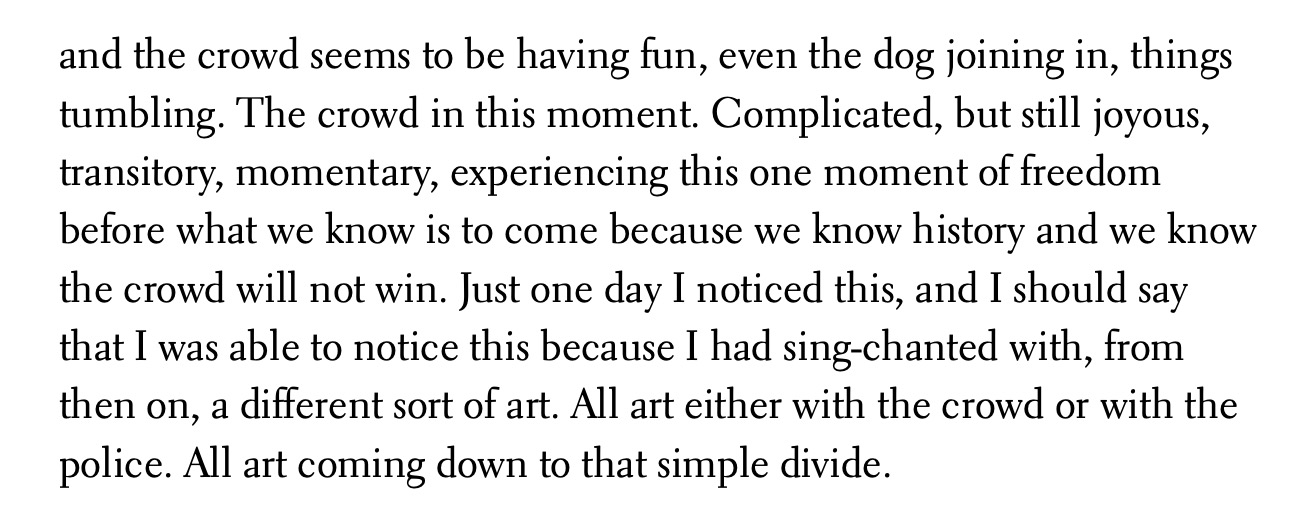
That is not a burden, that is a pleasure. That is meaningful work, a lifetime’s worth. That is a joy. That is freeing. That is why it makes sense to me that marches beget artwork, and artists appear at marches, why singing together at the protest feels good and dancing at the labor strike creates good feeling that translates into good action. That is why it surprises me when community care in the form of public mask-wearing gets framed as fear or even paranoia. I want to say, don’t you realize? The song has the words right in it! It couldn’t be clearer. We are not afraid.1 We are in love. The world and its people are the ones for us. Your grandmother is my grandmother. Your lungs are my lungs.
We are out here together, for one another, with every step in the bracing air, making every tiny refusal, hearing every “why would you do that when it doesn’t even matter”, saying, yes, in fact, it does matter; it does matter to refuse death as best I can—not for myself alone but for my neighbor, including the neighbor I don’t know or can’t see; saying yes, in fact, it does matter to make myself a tiny bit uncomfortable (January freeze march, Minnesota; never having a Nestlé candy bar in childhood; no grapes until adolescence; not crossing a picket line; Black Lives Matter pin bought in 2016 still on my bag despite the hot embarrassment I felt on my face when another white lady in the grocery store line said “isn’t that over?” in 2022; and yes, wearing a mask in public spaces right now—your responses may vary) if it makes someone else a tiny bit more comfortable or our life together a little more possible; saying yes, in fact, we are here together, breathing the same air, drinking the same water, walking on the same streets, waiting for the same bus; saying that the trees you prune become my bone and my blood, that the radioactivity falling from your sky after our missile test becomes the milk I give my children.
When we say, feed the hungry, we mean ourselves as well: we are the hungry. When we say, make a world where to be sick is not to be closed off from that world, we mean ourselves: we are the ones with bodies that can be ill, can be disabled; we are the ones who age. When we say no policewe mean anywhere. There is no other world, there is no other life, no other air, no other water. It is all between us. No time to waste in beginning together the work of worldmaking that is at hand. No work too small to matter, nothing so important it can’t be repeated again tomorrow. No need to wait before discovering the secret of joy.
To be clear, I’m by no means making an equivalence between the ongoing movement for Black civil rights in the US and the discomfort of being, often, the only person in a room of artists or scholars wearing a mask during an ongoing, airborne pandemic. These are not the same thing. But I have learned this framing—of joy, of solidarity, and of refusal of fear—from this movement among others. I have also learned to be skeptical of the demand to see a difference in focus among movements for a just, free, safe, healthy, and joyful life as indicative of disjunction between movements. And in fact, leaders of that civil rights movement saw clearly how things like nuclear arms were involved with, not separate from, voting, housing, dignified working conditions, access to public space, education, healthcare. This is all about our obligation to provide for one another a rich, free life.
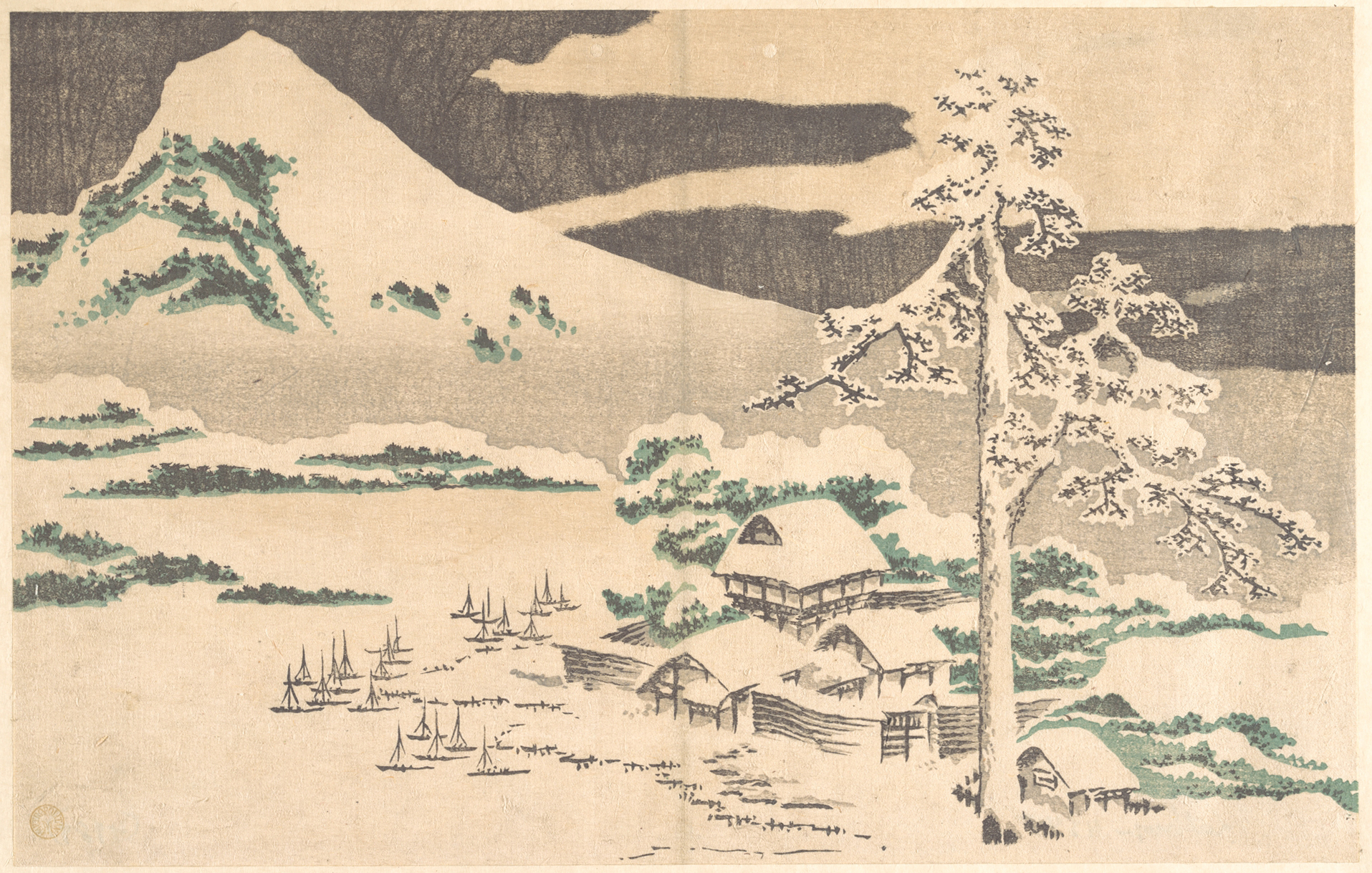
the old year goes to its bed and the new one is waiting to be born
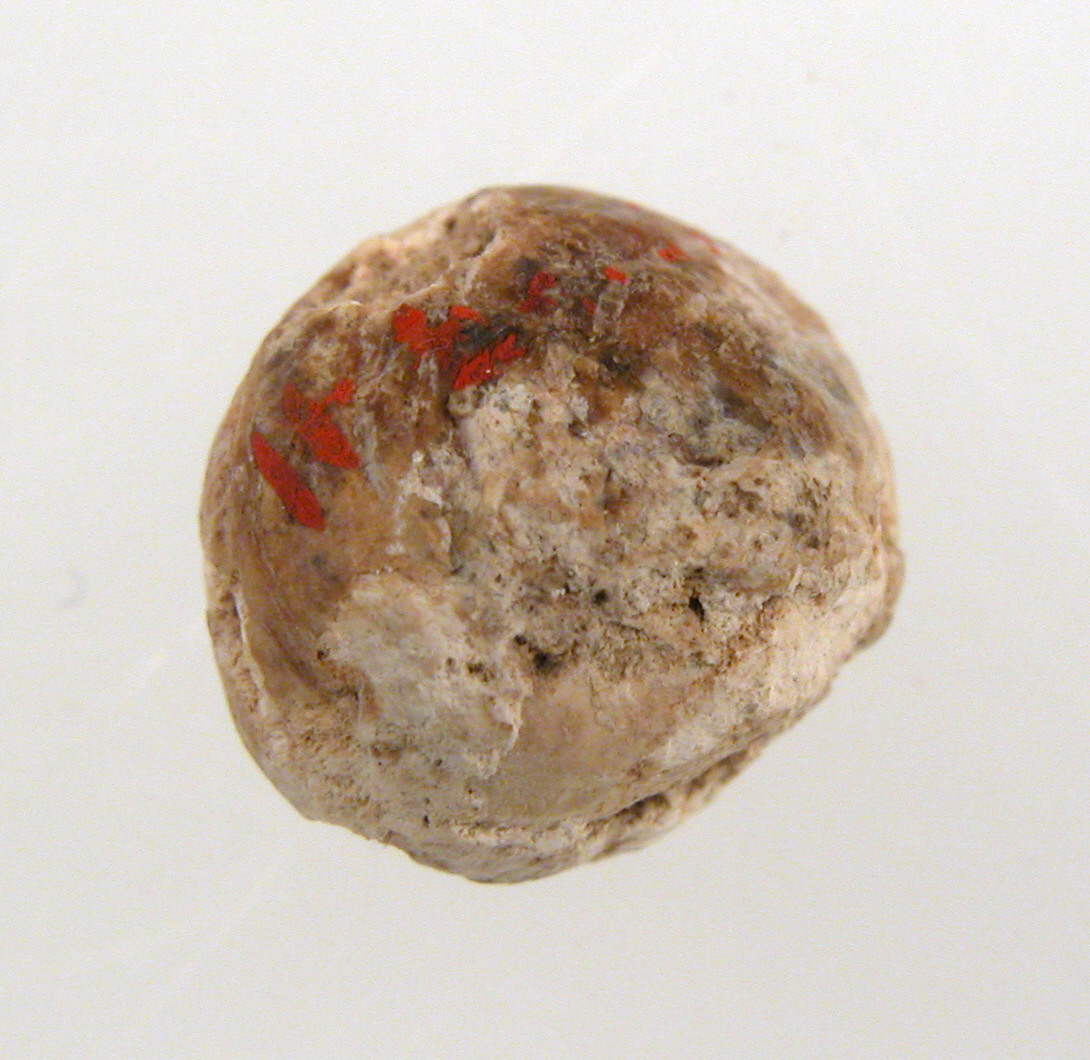
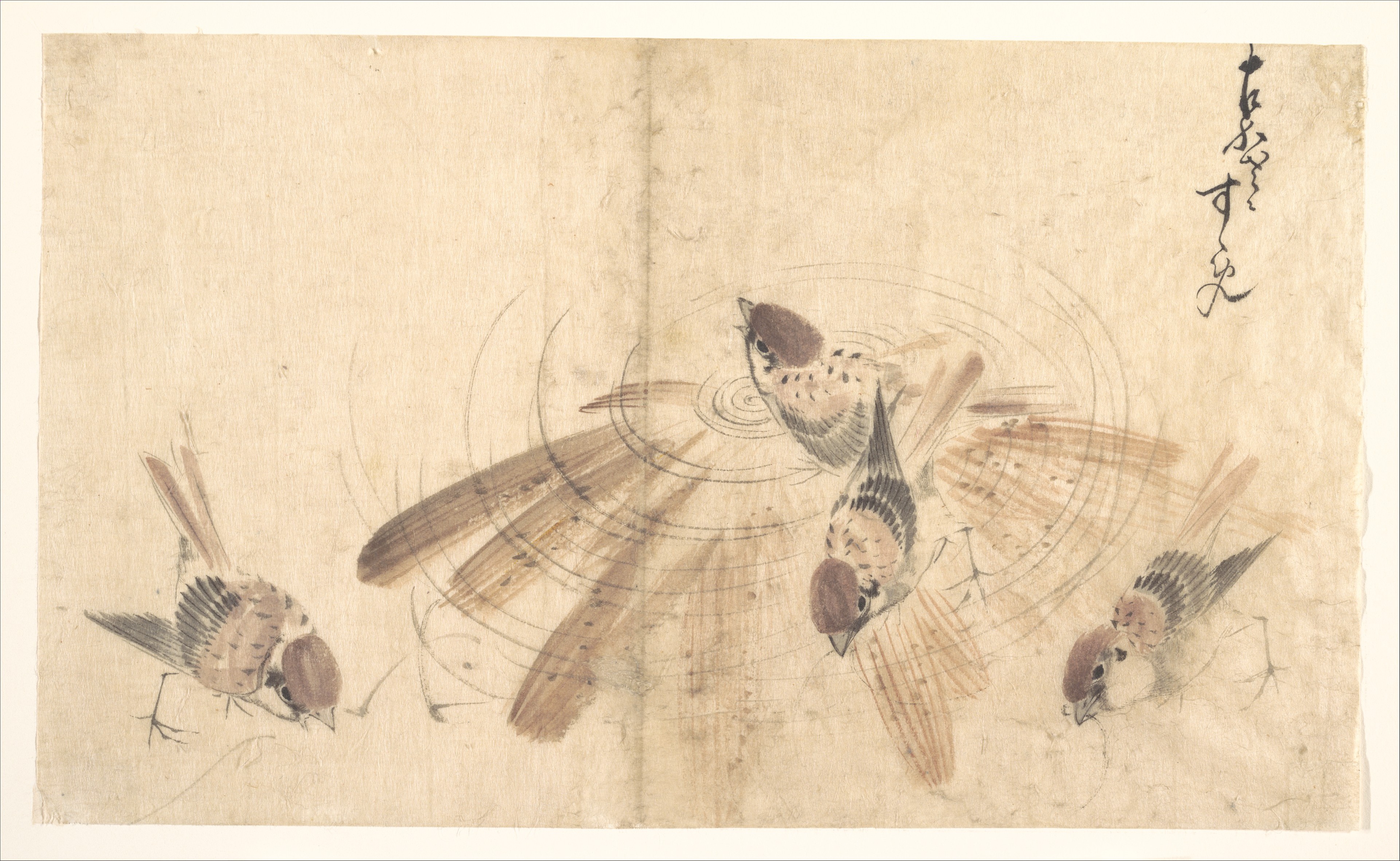
Here is a cherry stone, buried in a Frankish grave between the years 500 and 600 of the common era, so a cherry stone that is about 1800 years old as I write this. A cherry stone! Little nothing! I love the nothings we save and carry with us, that tell our stories in their embroidered details. When you look closely at an embroidered cloth you stop seeing the picture and begin to see the tiny thread marks on the textile’s perpendicular ground. Looking closely at the nothings of the world changes what it is possible for me to think a world can be. So I’ll look at this bit of vegetable matter a while as the old year puts itself to bed and the new one waits in the dark to come out with the stars.
A 19th-century financier from the US state of Connecticut gave the Frankish cherry stone to New York’s Metropolitan Museum of Art in his will, and now it appears on their website, its image in the public domain. The cherry stone leaves the grave in the hand of the grave robber or archaeologist or scholar or tourist and travels—how? In the collecting box, in the wallet. It sits on the mahogany desk. Cherry stone, buried in a mouth perhaps, or in the intestine, or in a little bag of other fruit pits, or in a hand: food for the journey and a seed for planting trees in the afterlife. Assurance of orchards, or accident, or habit of ingestion.
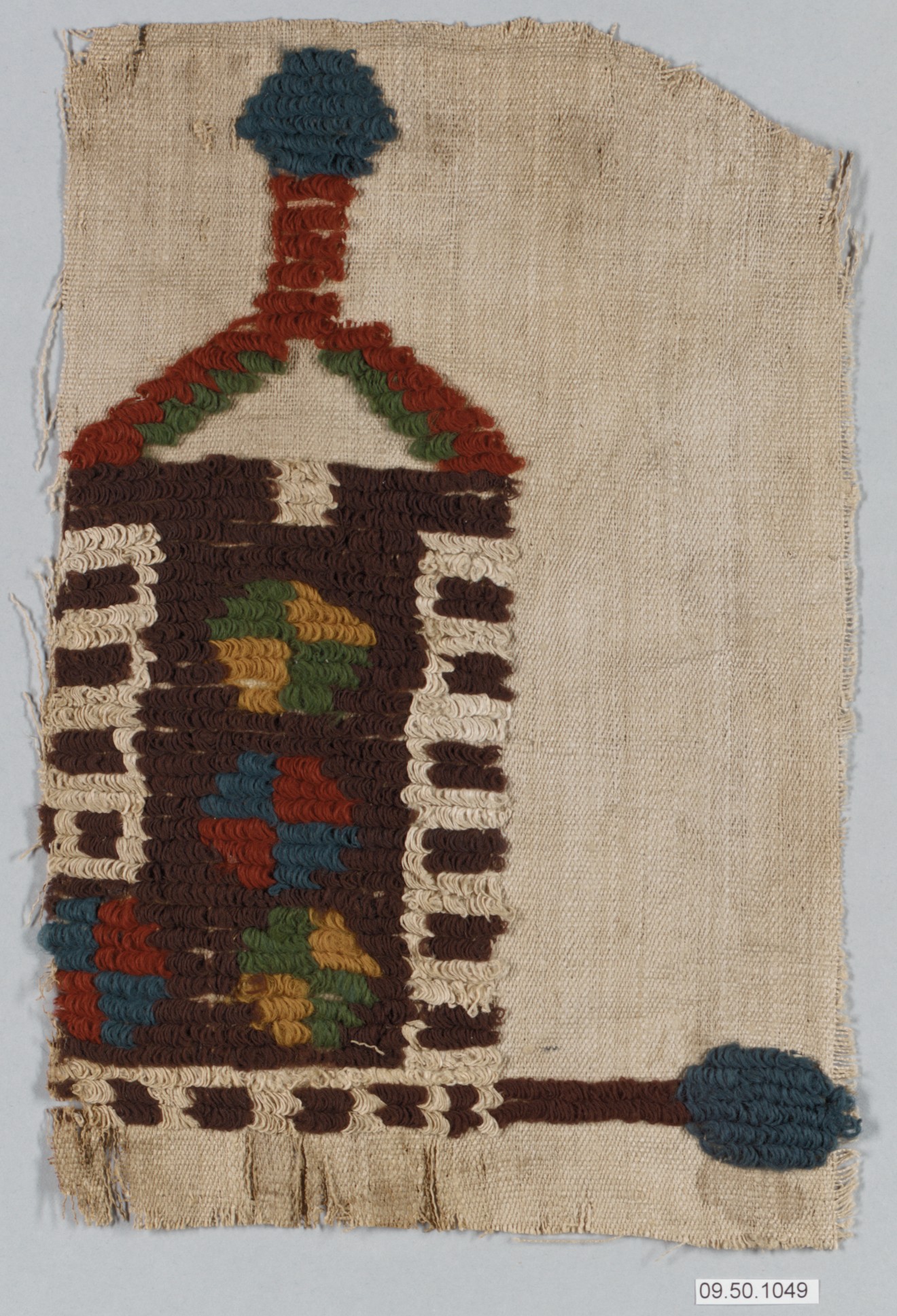
Someone warps a loom with linen thread and weaves with linen thread, and someone—the same person? I can’t know—takes the woven cloth and wool thread dyed in five colors, and embroiders a motif. Clothing, altar cloth, shroud, or bed cover, I don’t know. The fragment of cloth makes its way from Egypt to Germany: the practice of removing things from Africa and taking them to Europe is not a secret. In the late 19th century we can attach a name to the cloth, though an owner’s rather than a maker’s. The cloth comes into the possession of Friedrich Fischbach, teacher of ornament and design and compiler of historic patterns. And when he dies, his books of crochet patterns and ornamental embroidery and templates for whitework go out into the world, and part of his textile collection goes to the Textile Museum at St Gall, and part to the Metropolitan Museum in New York.
Sometimes I think about the billions of books, objects, furnishings, pieces of clothing that have belonged to and been made by the world’s dead over the past centuries and I wonder that there are factories at all. Why would I need anything new when there are sets of silverware in secondhand shops and hand-me-down sweaters my mother saved for me? Who was it who said if you have two cloaks, give one away? In the museum’s glass cases, there is a reflection of a rubber raft, tiny and vulnerable on the Mediterranean, and then the guard calls out into the cool dim room don’t touch, please and I am returned to the here and now, where the cherry stone and the fragment of cloth are protected by alarms and doors and locks and laser security systems. How many hundreds of years ago was the cherry tree planted or grown or grafted onto rootstock, carried from the place now called Iran into places we now call Europe? In a delta spring 2500 years ago, the flax plants grow as high as a child’s head, and the ibises fly along a northbound river. A hand and an eye chose the colors and a hand and an eye made the pattern, and hands and eyes laid the cloth into the grave. All the wonders of the world.
How we care for the dead: we provision them. How we care for the living: we keep in mind how soon we are all the dead. The living know the needs of the body and the soul—warmth and quiet, safety and shelter, clean water and dignified work, worldmaking and housekeeping, questions and answers, letters and numbers, good food and companions to love us. The dead know that the cherry stone is carried under the tongue across dark water. There is no escape from that water or the stone in the mouth, no matter whether the little pouch sewn into your clothing is full of gold or full of seeds. The living and the dead huddle in the little stone, pull the cloth of the world around us. Little fruit-bead. Little woven fragment. Where you have been and where you came from, even the endowment-havers, even the gala-goers, even the private plane-takers, even the robber barons cannot pry from the silent mouth of that river.
A little year-end housekeeping:
Thank you for reading these essays over the past nine months. I have learned a lot and gained a lot by the practice of writing all 40 of them (!! —five were pieces that I had previously written). I’m looking forward to the next couple of months of weekly essays before this project ends at the beginning of March.
So thank you for being out there, and for sharing my work, and for writing to me with your thoughts. It’s meaningful to me, and I take it very seriously that you spend your time with my writing here.
You may already have heard that Substack’s administration has taken a Nazis-are-okay stance. Well, that’s shitty, if not entirely surprising. Substack makes no money from what I write, and I will never charge you to read it here. But I am thinking about how and whether to move off of Substack, and I hope that when I figure that out, you’ll find or follow me. Are we heading back to the internet of circa 2007? Will HTML Giant, poetry listservs, and Typepad craft blogs make a comeback? Is the real ever circling toward the ideal? We will find out.
In 2024 I’ll take a break from weekly writing for March, April, and May, and write just one piece each month. Beginning in June 2024 I hope to begin a new project (wherever I am at that point) that will again take a weekly form. I’m planning to turn some of the 2023 essays into small, beautifully made print objects. Information about that will come, if all goes to plan, during my March-May break.
I hope you and everyone you love and everyone they love are safe and well. I hope for an end to the bombardment of the people of Gaza. I hope for ease in your grief. I hope for peace on earth, in the sense that both hope and peace are active. For all of us, made by all of us. Happy, healthy, free, and just 2024.
This is dedicated to Nina, who said, about one year ago exactly, that I should write the “essay about ‘Joy to the World’ [I had] been thinking about”. So now I am.
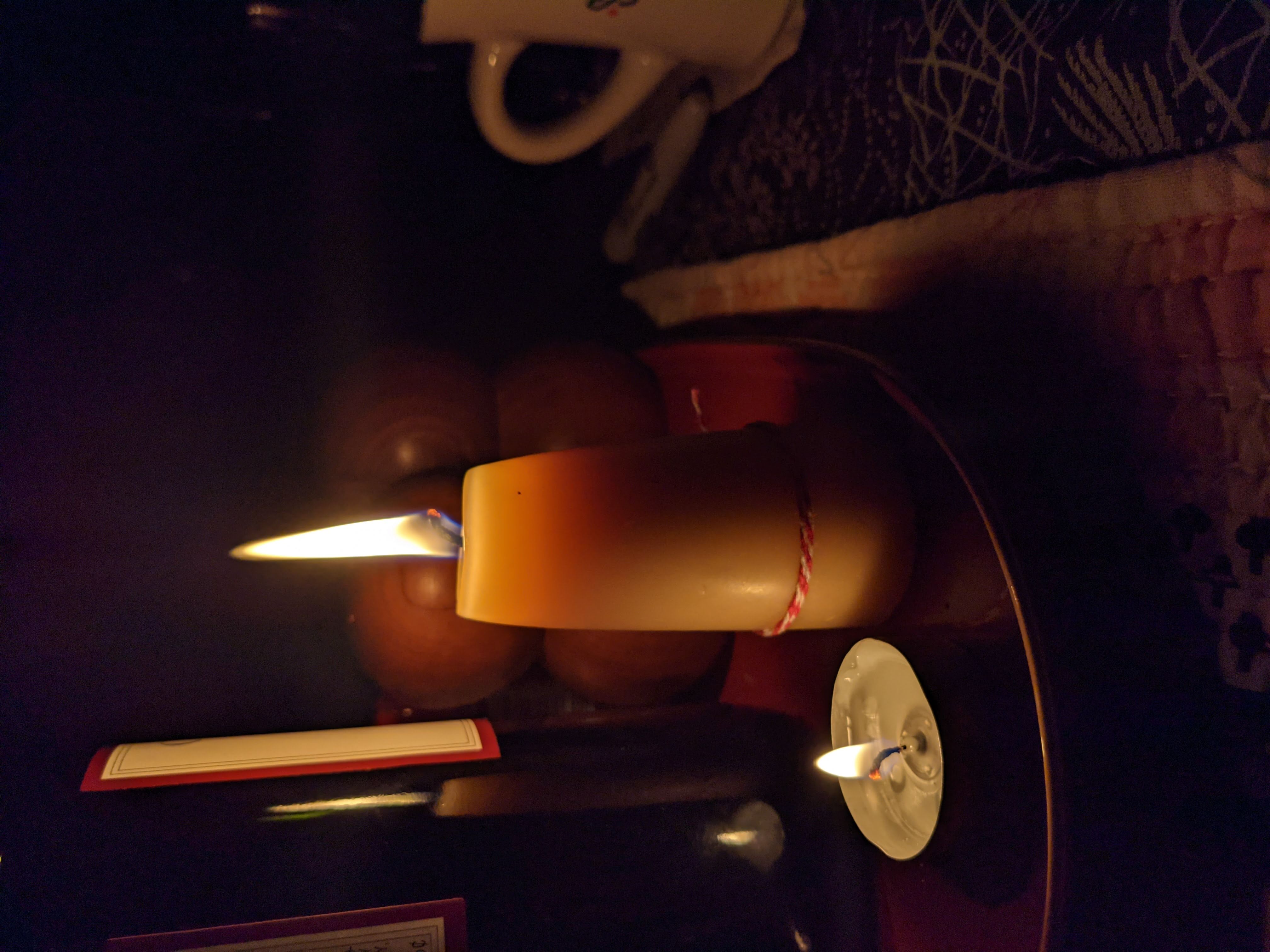
This week and next I’ll be writing about Christmas, after a fashion. (You can read the first essay in this series, and about the background that leads to and shapes my thinking, here.) This week is the Sunday of rejoicing (‘gaudete!’) even as the nights grow longest. It is a night of pink candles for joy. To me, pink is the color of anarchism, opening, liberation, possibility, togetherness—the everything of Advent. Despite the subtitle of this essay, my answer is both indirect and incomplete. But a person’s reach should exceed their grasp, or what’s a sobstarch for?
“Anarchism meant [‘release and freedom from conventions and prejudice; freedom, the right to self-expression, everybody’s right to beautiful, radiant things’] to me, and I would live it in spite of the whole world—prisons, persecution, everything. […] I would live my beautiful ideal.” – Emma Goldman, Living My Life
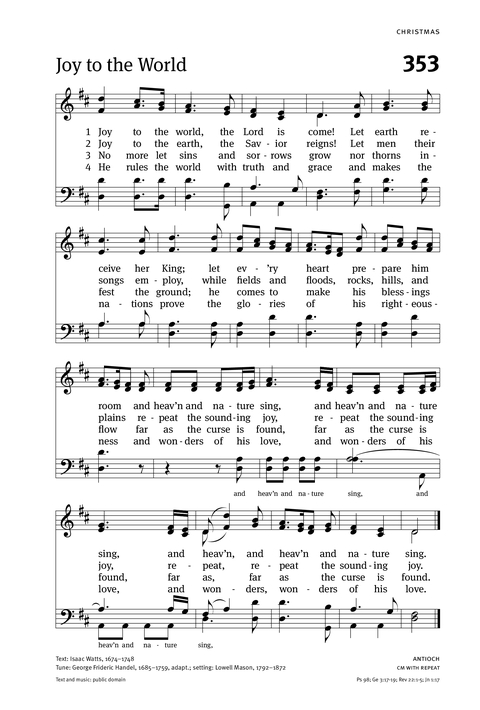
There is a song I have known from childhood—if you speak English and celebrate Christmas, or grew up doing so, you likely know it, too. It is an old and very popular song for that holiday, written in 1719 by a nonconforming minister, and mostly sung now to a tune composed in 1848. For some years now I have been thinking about this song, in the way you sometimes do with things familiar from childhood. Having taken it for granted a long time, you begin later in life to sense a thing’s strangeness and complexity. What had seemed straightforward, even obvious, is revealed not to be.
Here is the song. It is is in great part a celebration of power. Written in the 18th century, in England—an England both monarchical and imperial—it brings assumptions from that time along with it like one brings the cold in on one’s coat in a northern, midcontinental December. The song talks about “ruling”, “reigning”. The people of earth are “men”, God is a “Lord” and a “King” (definitely also a man). The earth (figured in the feminine) is there to “receive” and to “prepare him room”. Okay. So far, so limited in imagination. Those parts, the obvious parts, the song’s opening in particular, are all brass, shined to a high polish by the assumption that empire is the way to go, that status necessarily and even rightly seduces, that power looks like power as kings and wannabe kings (the wannabe kings of political, social, cultural, familial power and access) conceive it. These polished surfaces that reflect worldly power and assume it’s the nature of divine being are the reason that for so long I resisted the song’s pull.
But I can’t keep resisting, not entirely, because something in me insists that the song has a subversive thread to it, as when, in a shopping mall, someone has stickered the benches to insist on public space and public speech inside the privatized spaces that pass so often now for public ones. Or as when, in a massive expensive grocery store, the employees all turn a blind eye to the person putting in the code for bananas in place of bulk nuts. The edifice crumbles only after ants begin, over years, to displace one grain, then another. As so often is the case, I’m looking for tiny indices that describe the failings of systems that seem both total and natural, and that point to liberation.
What draws me to think about this song, and what keeps me thinking there, are the parts of the song where everything in the universe sings. The parts I am interested in are not made of shiny stuff—they are made, and made much more strangely and much closer to home, of human hearts that can expand and of “wonders” of “love”. They are made from what the hymnist calls “joy”. In fact the whole song is about joy—it is called “Joy to the World”, after all—which makes me ask, as I think about it, what it is that thing called “joy” might be.
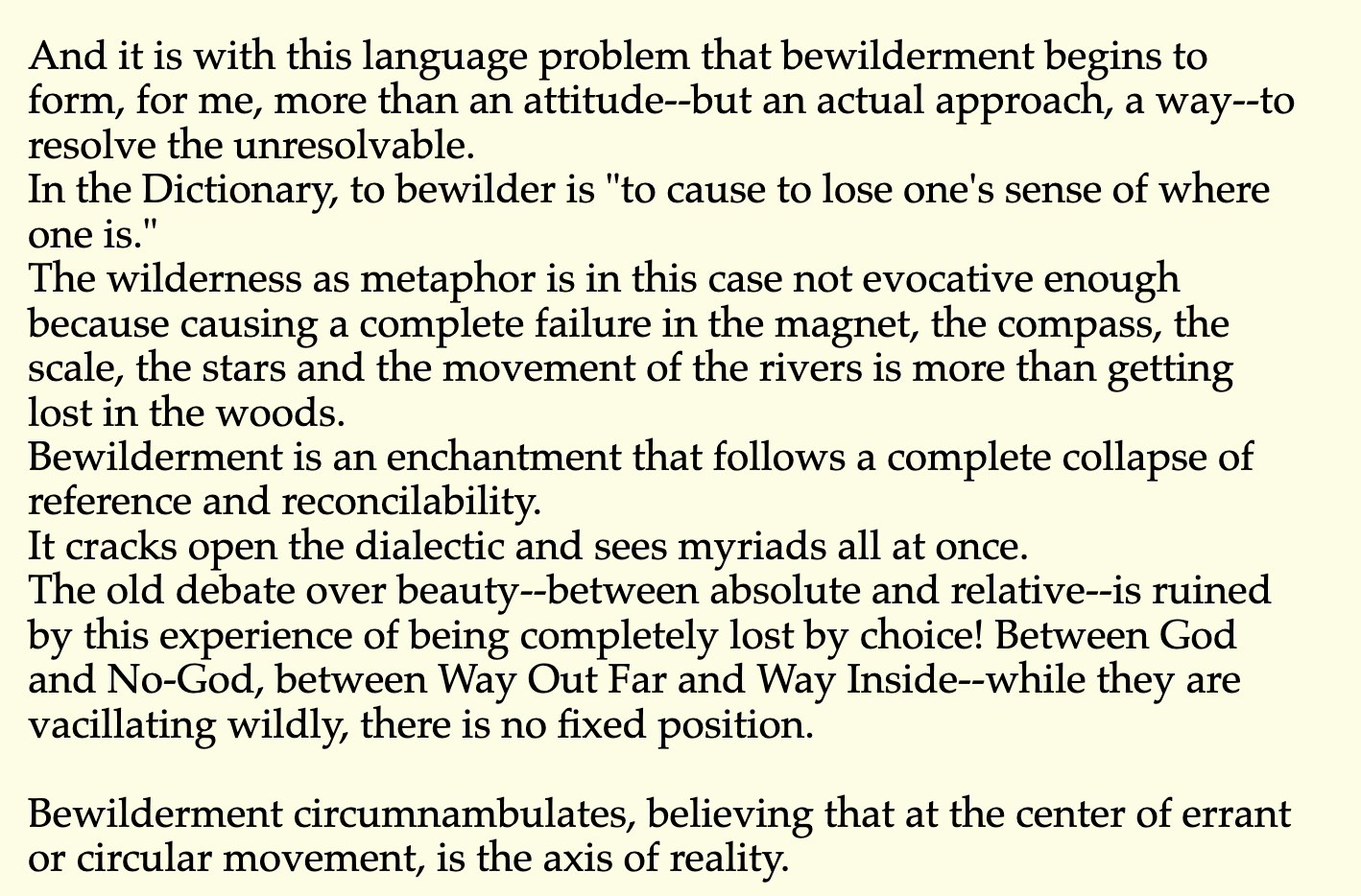
I think joy is not happiness. It is not even elation, or the ecstatic and momentary feelings of triumph or delight or pleasure. I think joy is more like the sublime than like these words that are used as its synonyms—I think that joy has some of the sublime’s knife-edged terror to it. I think joy is what Fanny Howe calls “a complete failure in the magnet, the compass, the scale, the stars”. Joy is a reordering of the world, a reordering that feels like total disorder—thus the edge it shares with terror. In Howe’s words, bewilderment is “an enchantment that follows a complete collapse of reference and reconcilability” that ruins not only our navigational tools but the systems of placing ourselves that they relied on in the first place. Like Howe’s bewilderment, joy is something that forces us to circumnambulate rather than to know where we are and how to move. It does not permit us the straight highway or self-assured knowledge. It makes us move in (seeming) error—Howe reminds me that the root of the word “error” is wandering, not mistake—and the gestures of of this ‘erring’ reveal the “axis of reality”.
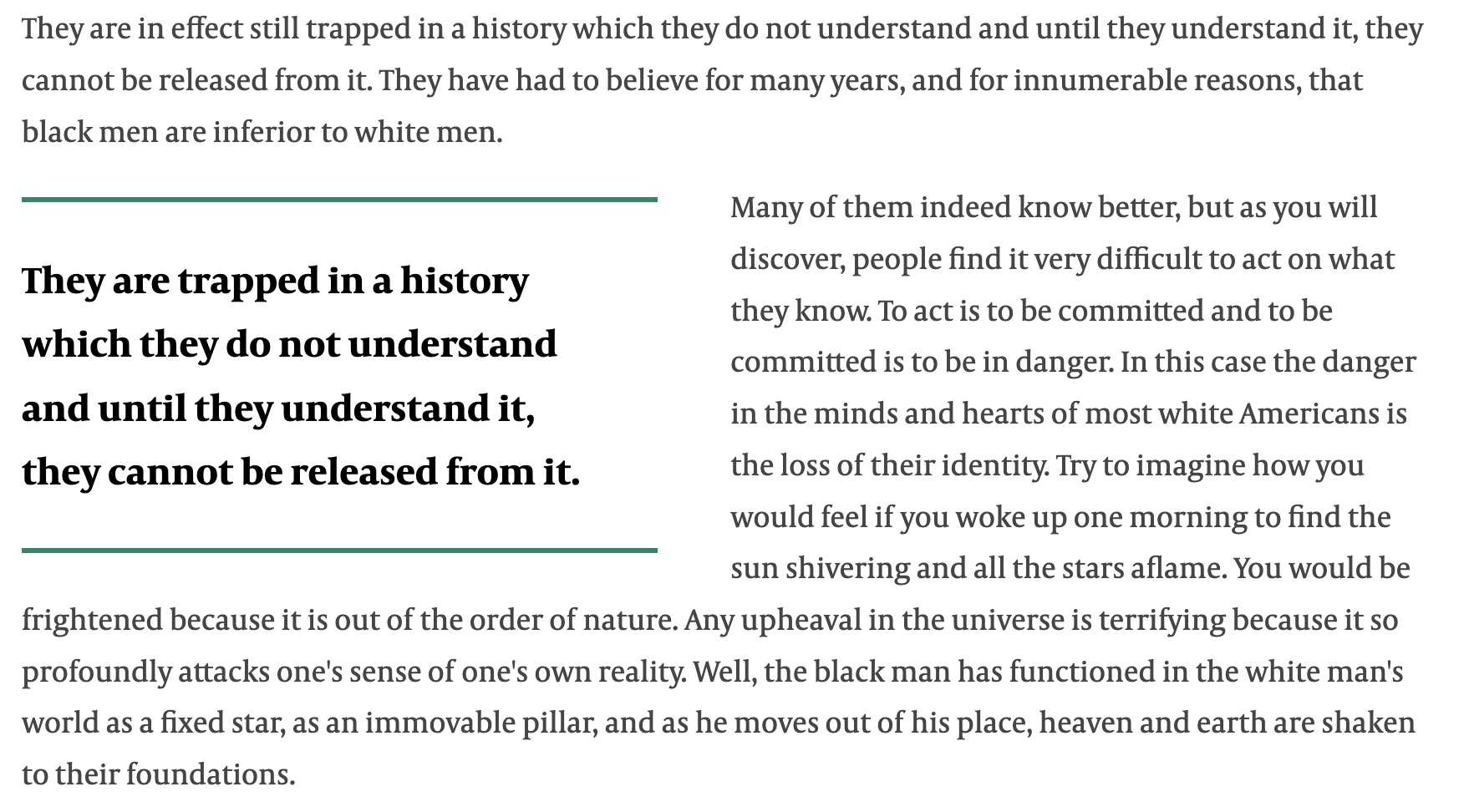
When I think about Fanny Howe and her poetic-ethical idea of bewilderment, I have to think about James Baldwin, too, because there is a moment in his essay “A Letter to My Nephew on the One-Hundredth Anniversary of Emancipation” (in The Fire Next Time) that Howe’s failing compass reminds me of every time I read “Bewilderment”. There’s an explicit link that takes me from Howe Baldwin, and it’s a writerly one—it’s a metaphor. When Baldwin talks about the white experience of Black liberation (which is universal liberation in the end), he compares it to waking up “to find the sun shivering and all the stars aflame”. This sounds like “a complete collapse of reference and reconcilability” (Howe) to me. And Baldwin writes that “Any upheaval in the universe is terrifying because it so profoundly attacks one’s sense of one’s own reality. Well, the black man has functioned in the white man’s world as a fixed star, as an immovable pillar, and as he moves out of his place, heaven and earth are shaken to their foundations”. There’s the same kind of image as Howe’s compass, magnet, scales, stars: the fixed star, the navigational device that allows some of us to move freely through a universe we are allowed to feel we both make and ordain.
Let me slowly bring us through Howe’s bewilderment and Baldwin’s letter, and back to joy. I will. But give me time.
Howe writes that the bewilderment that results from the compass failing is not a ‘merely’ artistic question (as if art could ever be separated from life). She explicitly names bewilderment an “ethics” as well as a “poetics”, a “way to enter the day”—our ordinary lives. And she also writes that “A big error comes when you believe that a form, name or position in which the subject is viewed is the only way that the subject can be viewed. That is called ‘binding’ and it leads directly to painful contradiction and clashes”. What Howe calls ‘binding’, this thing that is both in error and painful, sounds like all kinds of assumptions about value that are structured by the networks of power and relation we live inside.
The belief that one knows how things are and that that is the only possible way for them to be sounds like Baldwin’s “fixed star” to me. I know that Howe is thinking about whiteness elsewhere in the book that contains “Bewilderment”, and so I can’t help reading whiteness as one such ‘binding’, because whiteness is about ordaining, sorting, and control. And that brings me again to Baldwin, who writes that “people find it very difficult to act on what they know. To act is to be committed and to be committed is to be in danger. In this case the danger in the minds and hearts of most white Americans is the loss of their identity”, an identity, Baldwin writes, that is established in relation to the “fixed star” of Blackness figured, imagined, and situated (socially, culturally, economically, historically) as lesser other. When Howe writes that bewilderment requires us to “circumnambulate”, she is insisting that a reordering of the universe will require us to take paths we may not have even known existed, paths that may seem nonsensical or impossible or nonexistent. To circumnambulate is to be committed?
What if I place Baldwin’s idea of commitment and Howe’s of circumnambulation together? Both writers seem to suggest that to rely on the systems of knowing, being, moving, having, and relating that we already know will merely replicate those systems’ painful, unjust, and unfree hierarchies and binaries. Bewilderment, on the one hand, and commitment, on the other, “crack open the dialectic” to show us “myriads all at once” (Howe); they put us “in danger” because they require us “to act” . And that is the knife-edge I find in the song I’m trying to write about here—the knife-edge of the world that changes, or cracks open (with all the violence that verb implies), along the lines of repressive and oppressive habits of being both social/cultural and personal.
I live in a culture (not the only culture on earth, but a dominant one) where it is commonly held that there are speaking kinds of beings and thinking kinds of beings, and there are beings who do not speak, and beings who do not think. (The rubric of “non-thinking/non-speaking” is and has been variously applied to humans as well as to non-human beings.) I live in a culture where there are more and less valued ways of being a thinking-speaking being, all of which are almost always more valued than being a non-speaking-non-thinking being, and than being a ‘non-being’. I live in a culture that has a sense that these are settled questions, “fixed star[s]”, “the only way the subject can be viewed”. I live, in other words, in a culture that has at its heart a sense of ranking and a sense of sorting, and a belief, often untroubled, that ranking and sorting are so natural as to come from the ground itself, like elements. A lot of the song I’ve been talking about is preoccupied with the trappings of this culture, its reigns and its kings and its nations and its proving and its rules.
But then there are the non-speaking-non-thinking beings and non-beings in the song, the fields and floods; the rocks, hills, and plains. And what do these do? —They disturb the universe of order and of “sense”. They shake “the heavens and the earth to their foundations” (Baldwin). How? Joy. It says so right there in the song. What does joy do? It makes it possible not only for “fields and floods, rocks, hills, and plains” to sing, but for us to hear them. That is not a description of “happiness”, but a deep disturbance of order. A breakdown of the rules that seemed to be effects of a natural order, revealing them to be contingent. A rearranging of the cosmos. The failure of a compass that I had trued to stars I thought fixed—stars of an order that arranges things so that what I know is what there is to know.
Singing rocks, singing land, singing water: an inversion of my habitual assumption—my knowing, my unerring knowing—of who speaks, who listens, who it’s possible to be here with, and how we can be together. When I read Howe, I learn to look not for the earthquake but the wobbling compass needle as an indicator of a necessary collapse of meaning. When I read Baldwin I am reminded that what feels like the end of the world may be a door opening to a completely new one, one the fixity of my gaze had occluded, and one inviting my commitment—that is to say, my action. The fields and floods, rocks, hills, and plains are not passive (the land we live with, through, in is not subordinate to humans). They sing and repeat the song (their own song), a song that calls for a total “upheaval in the universe” (Baldwin).
It is not for a crown-wearing, oilfield-owning, prizewinning, property-hoarding king that the hills and fields, the rocks and the water are singing, but for the joy that is the disorder of all systems of dominance, all systems of unequal being, all systems depending on the oppression of one sorted and categorized kind of being for the seeming, though not actual, freedom of other kinds of being. It is a song for the child of poor people, soon to become refugees, born without even a bed, if you need that image to get the inversion I’m talking about, although I don’t think that image is necessary. I think it’s enough to think about those singing hills, singing rocks, singing springs of water and take that song literally, to experience the upheaval and inversion of our given modes of understanding. After all, here we are in the world so many of us were—I was—mostly given to understand as non-speaking-non-thinking. And here it is. All around us. Singing.
The human being is holy, the land and water are holy, the animals and plants, fish and birds and insects are holy. End all wars forever. Free Palestine.
Thank you for reading—I will be here next week with one more piece in this series about Christmas.
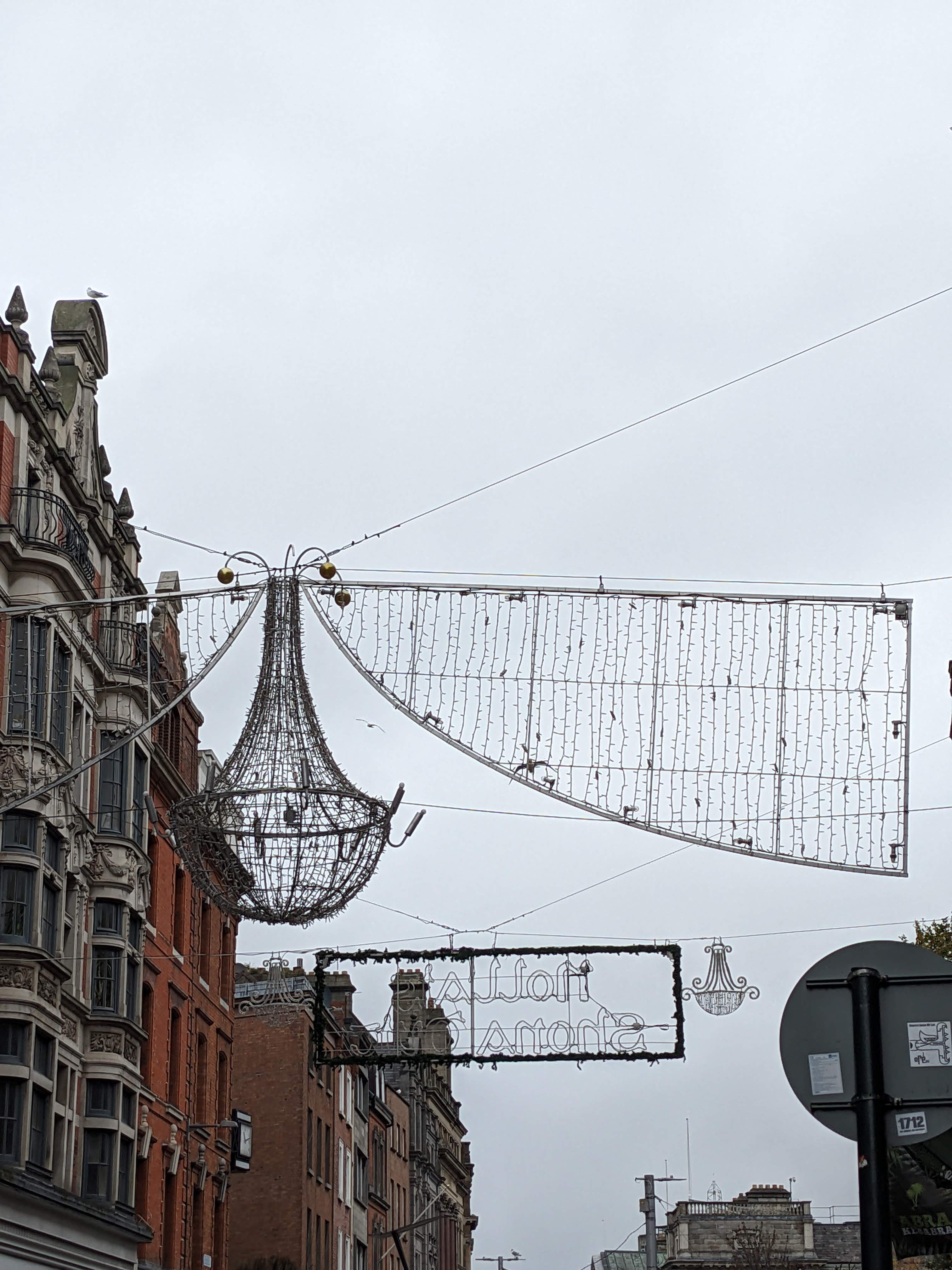
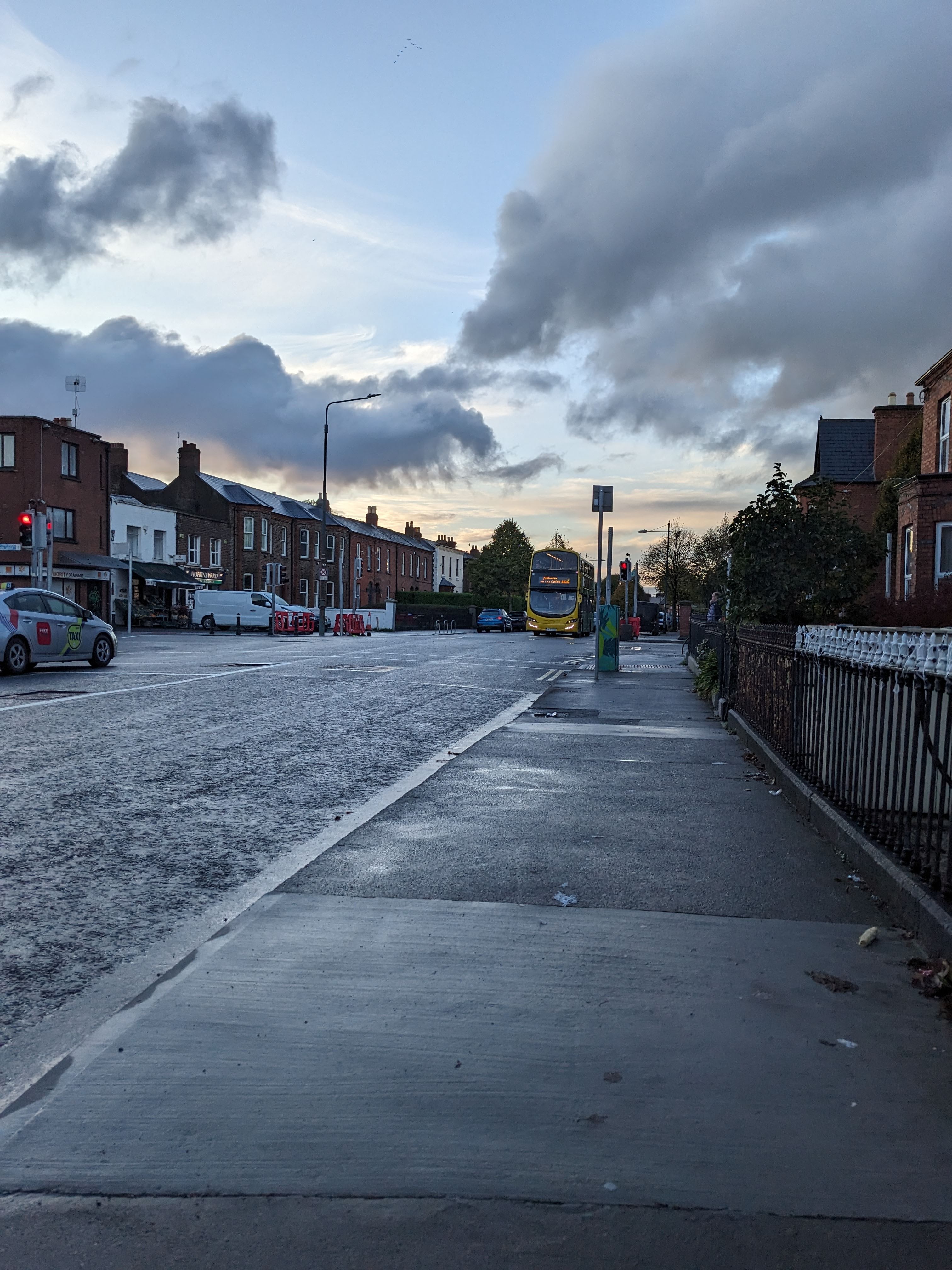
Three storms in the north Atlantic have taken most of the leaves off the sycamores and hazels. They lie in piles, some saturated with water and becoming compost quickly as foot commuters trample them. Some are swept up over the day, so I see them in the morning but walk home along a completely cleared path. Out the back window, the little birch tree is totally bare now. Its leaves were bright yellow—not gold as the hazels and sycamores were, but a cadmium yellow. Now the branches are revealed in their creaminess, outlined in peach that darkens to red. Through the big windows of the house across the back courtyard I can see gulls flying. Winter is here—my students tell me this when I remark on the fall weather. They are right: winter in this landscape is so subtle, as subtle as spring was in Maine. It will pass without my seeing it, if I look for temperatures below freezing or the arrival of snow. My friend texts from much farther north and I see the snow on roofs where she is. Here, the sidewalks are perpetually damp and the laundry will only dry if it is set next to the radiator. The boiler breaks and the landlord is in no hurry to fix it, so as the mercury falls below zero Celsius we wrap ourselves in blankets and put hot water bottles under our clothes. The laundry hangs in the cold damp air of the apartment.
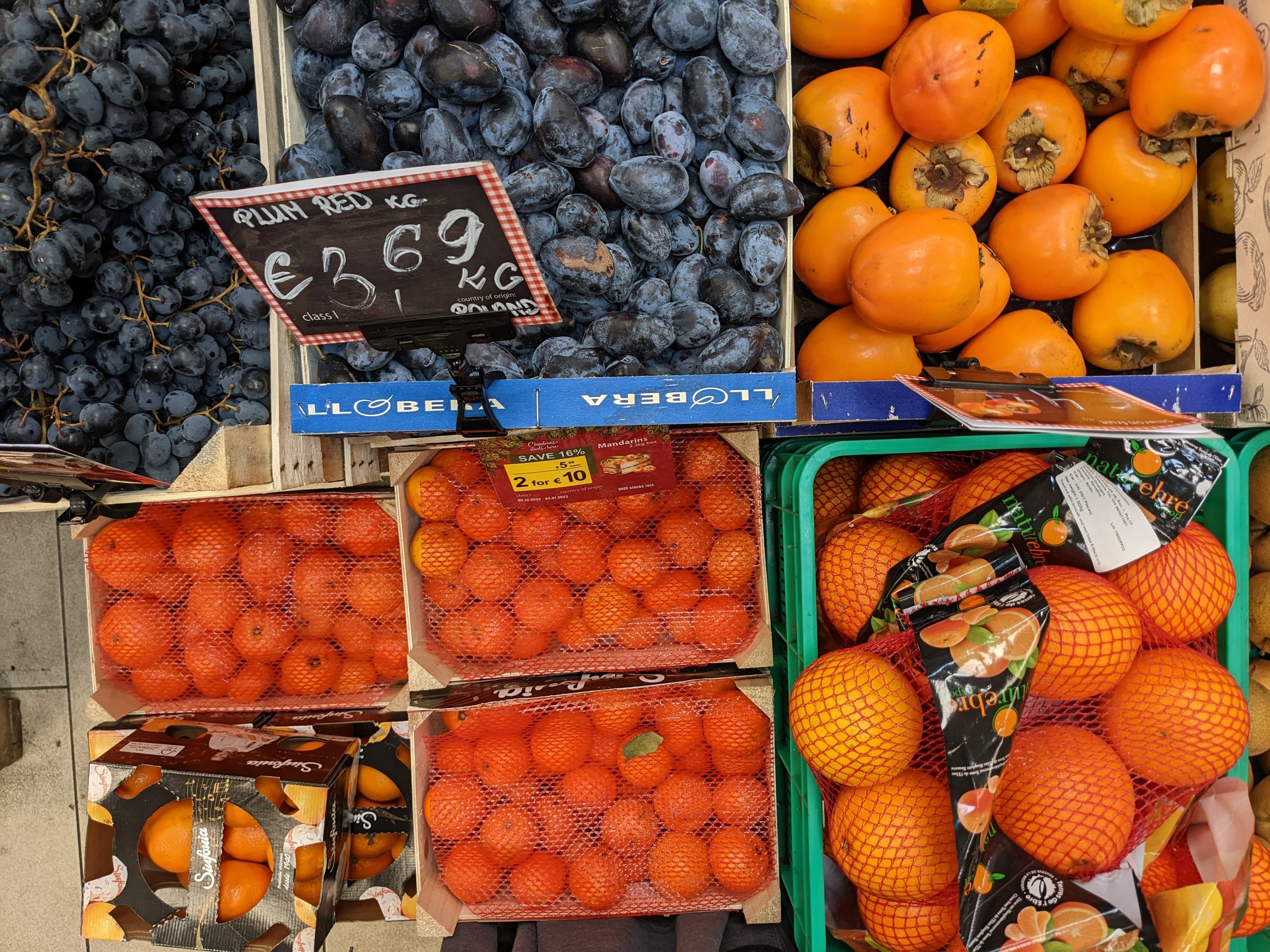
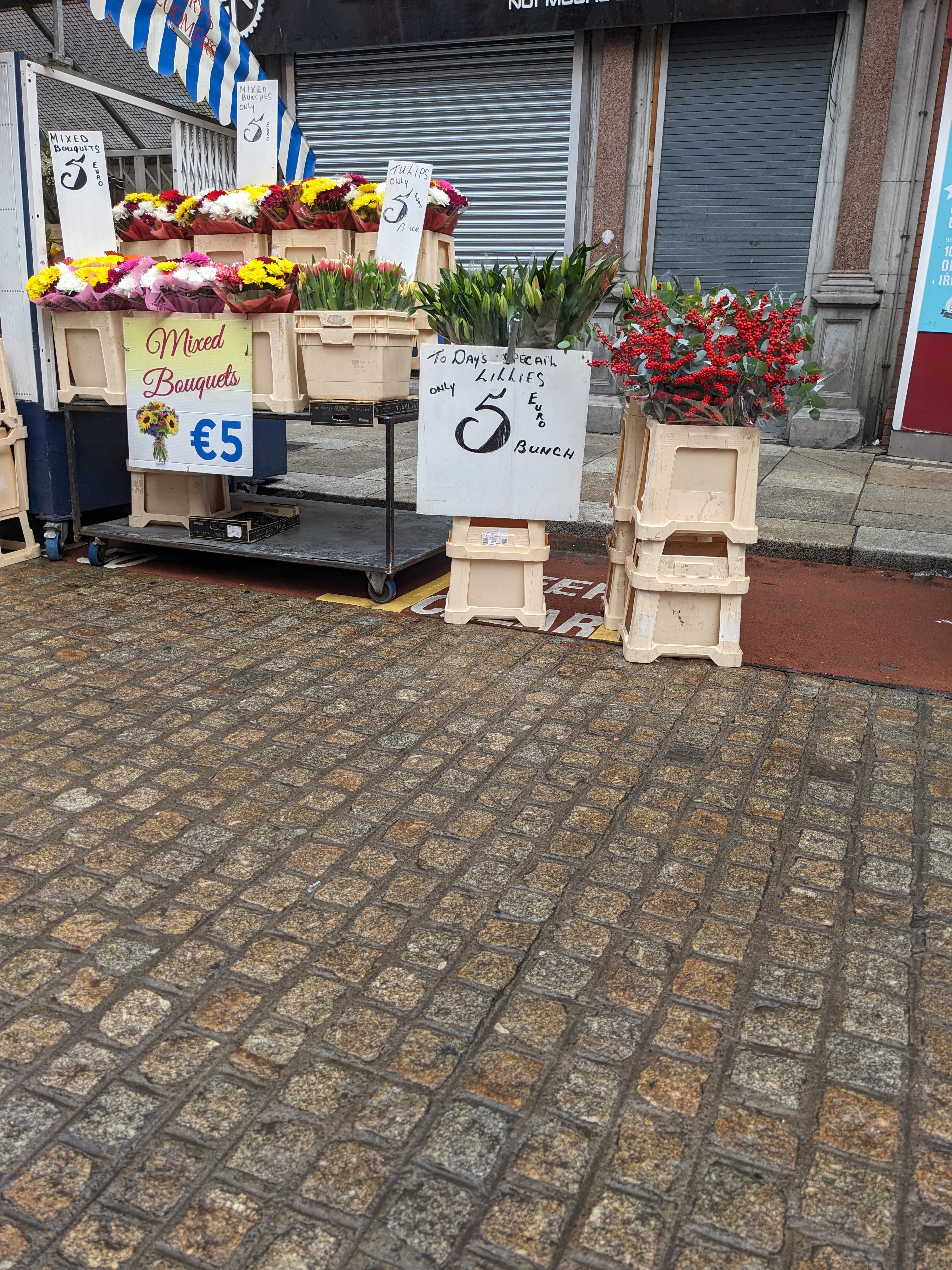
On the corners of major streets the flower sellers show up every morning, and now there are cut trees and evergreen branches as well as the hydrangeas, chrysanthemums, lilies, freesias, carnations that are the general stock. They never seem to run out of tulips. And on Moore Street, the vendors’ flowers and fruit are priced with signs that someone’s drawn by hand. I like the care with which that number 5 was made. Makes me think of this other instance of the number 5(I Saw The Figure Five in Gold), which points to this one.
November was an exceptionally outward-facing month for me, with readings and performances and talks and extra lectures at work. And now that most of that is done (I have one more talk coming up, December 10 at 2 p.m. US Eastern/7 p.m. Irish time; information here) it is very good to have a moment to step back and say, oh, that’s what I’ve made.
It’s not possible for me to see what a thing is while I’m making it, and that goes for everything. It’s necessary to step back from the place I’m cutting out or sewing together a dress, and from the poem, and from the performance, and from the drawing, and see it apart from me. Then I can make the kinds of decision that are about seeing patterns from outside rather than feeling them from inside. I think this is what Corita Kent (and her students) meant when she wrote that “to create and to analyze are different processes” (rule 8). We need both in artmaking. But we have to be bifocal with them. Go out and come back, be immersed sometimes and up for air at others. It’s good to have a very active period of making. And it’s also good take stock of what you make. It’s good to pause, and it’s good to wait. Breathe in and also out.
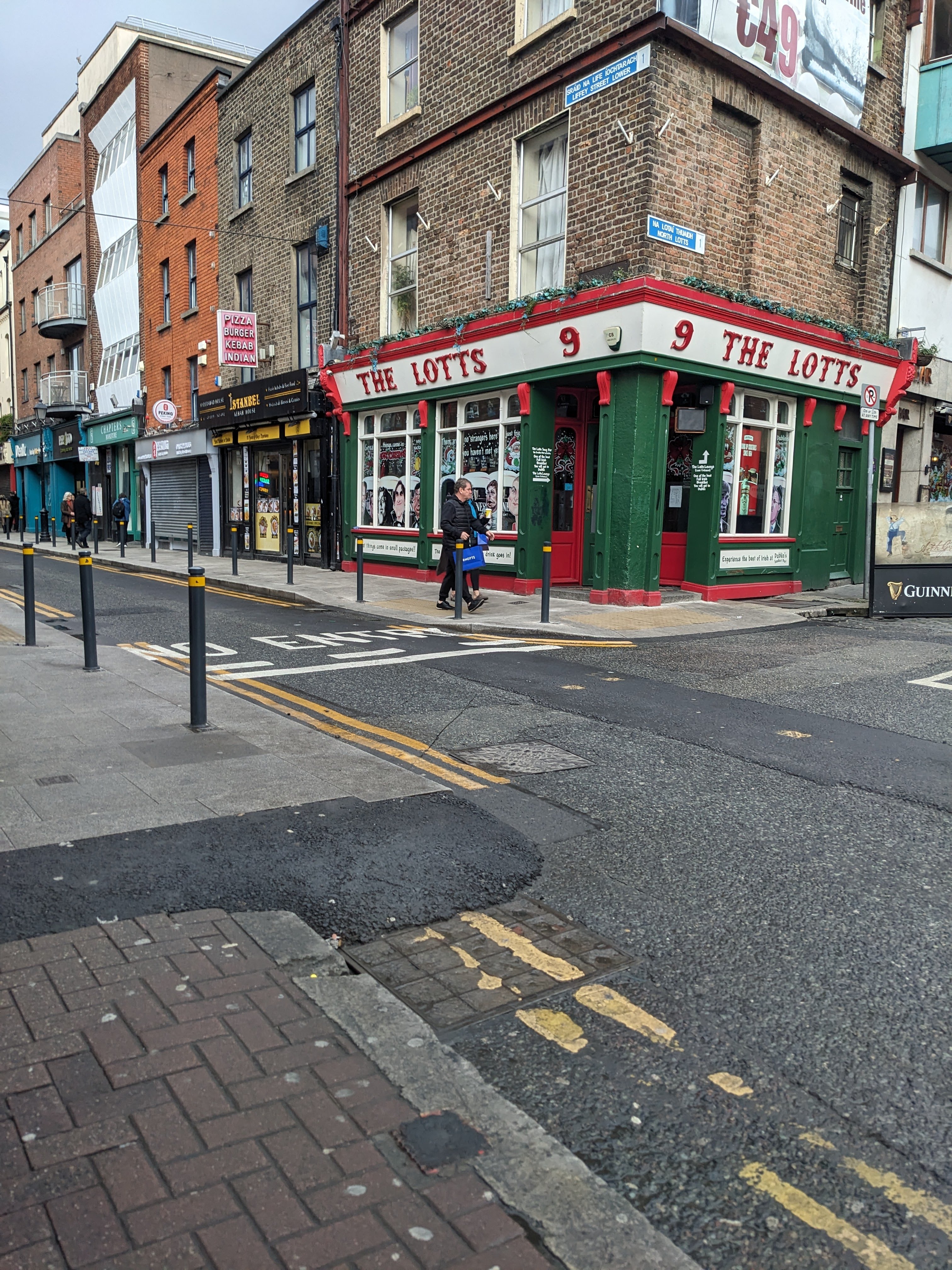
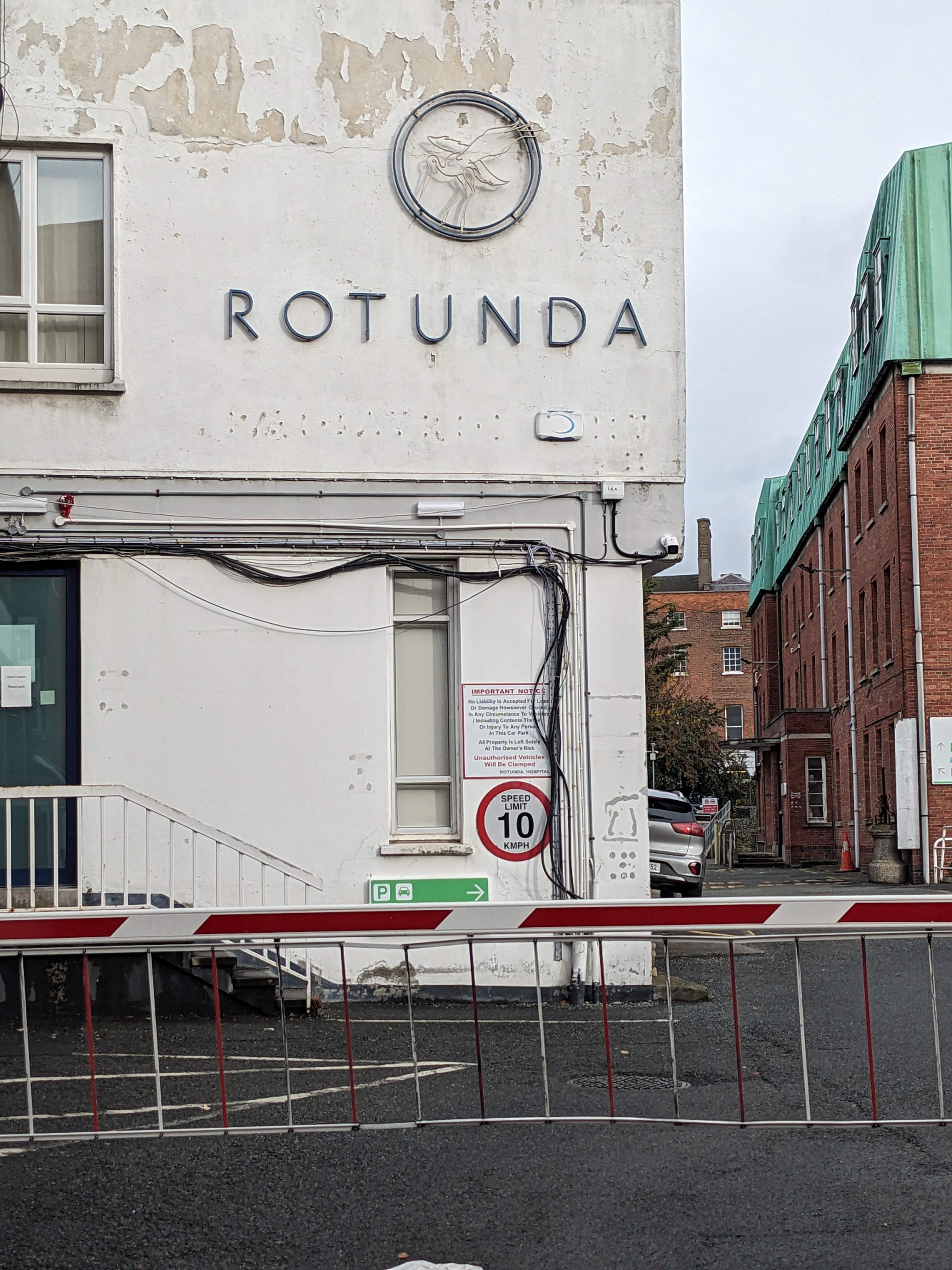
The work I did this past month meant I spent more time at work than usual but it also brought me to parts of the city I don’t often transverse on foot, as I looked for certain materials (for costume-making) and tracked down certain places (for poem-making). I love the old neon sign on the Rotunda Hospital, just north of the city center, its delicate stork and that great O. I saw the figure O in neon.
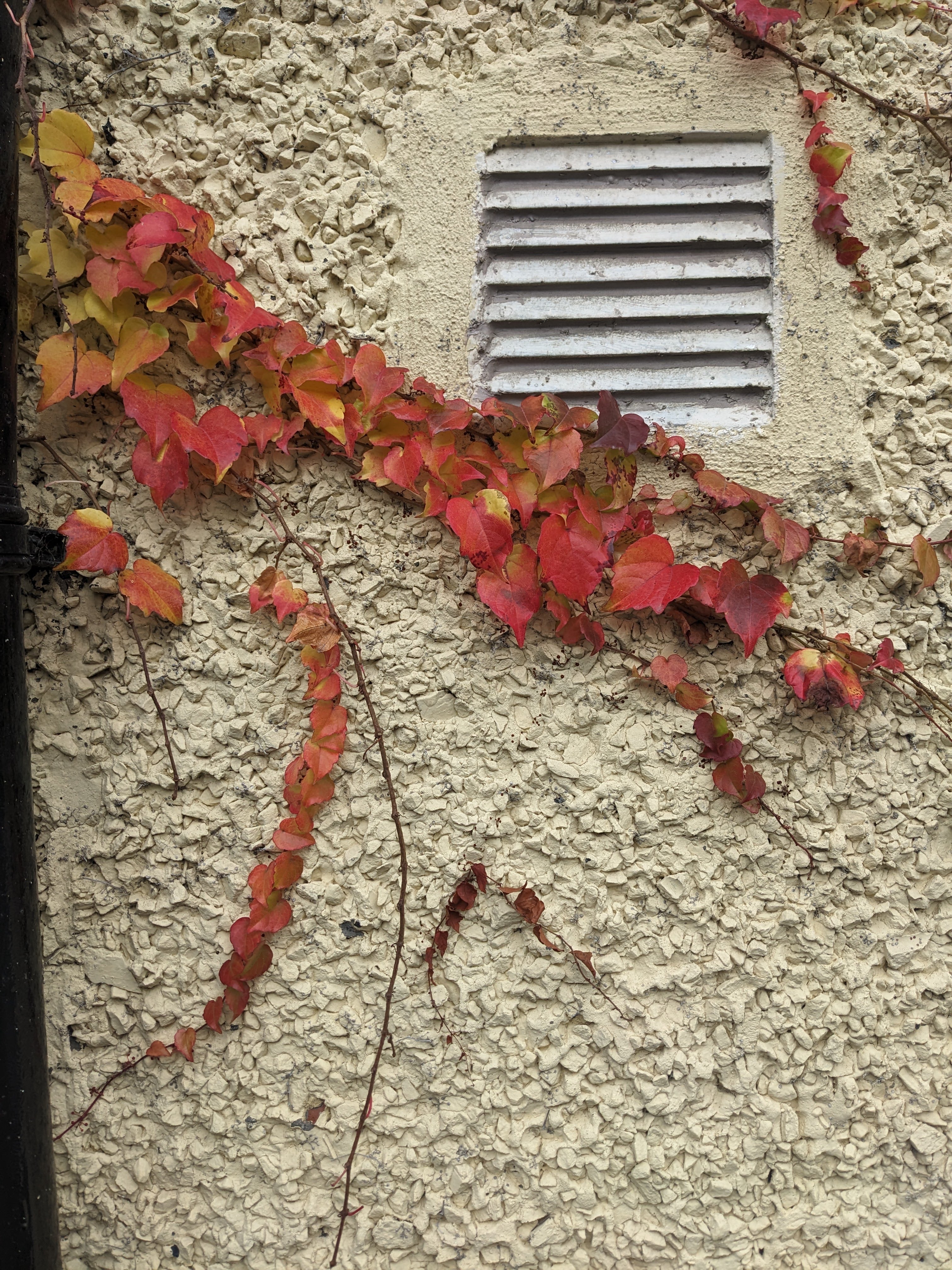
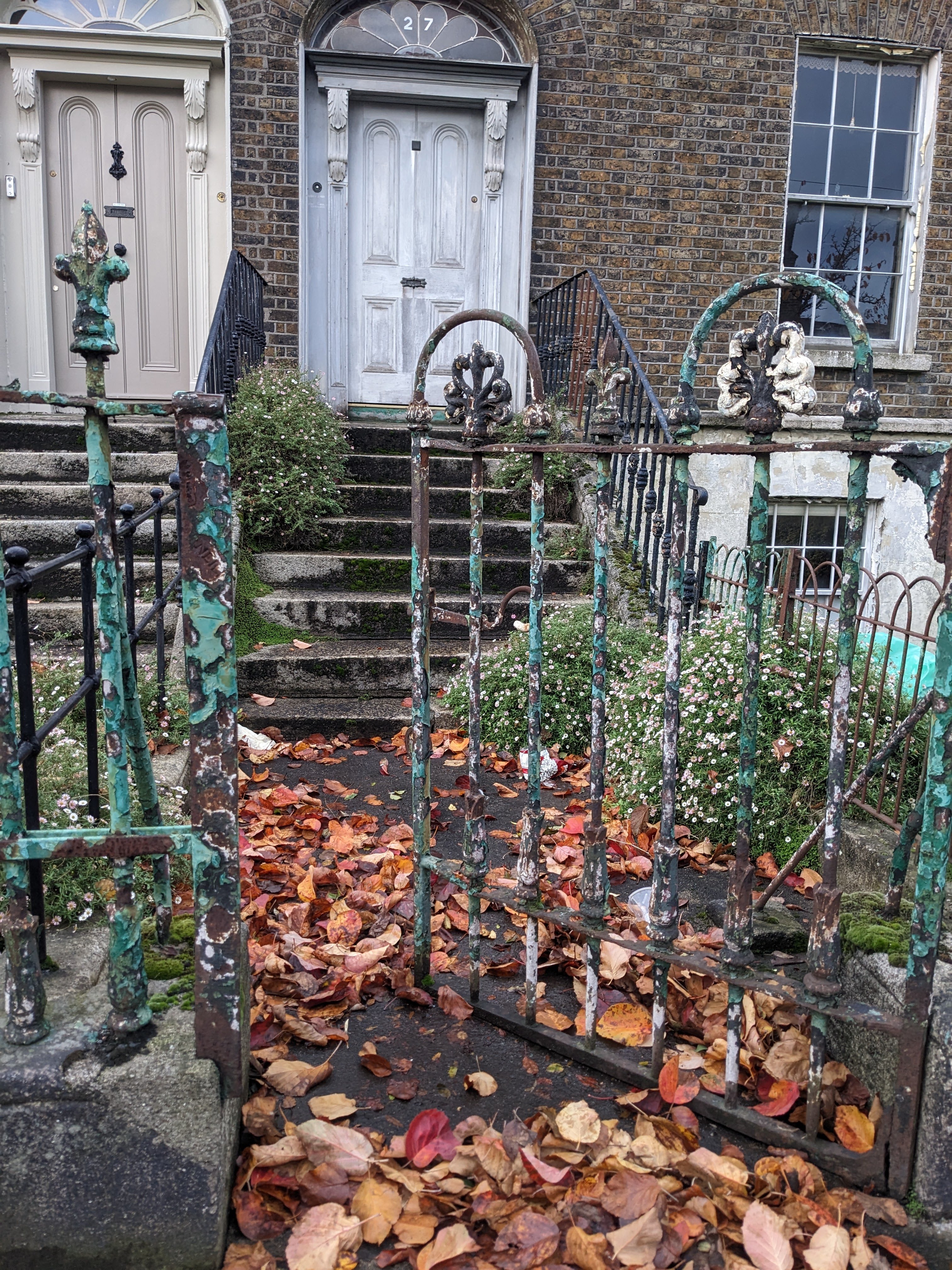
And this gate, that greenblue color I see in many places in this city, especially gates. Every place is a paintbox. I have been thinking about samples recently—the musical practice of borrowing and the sample as a tester or miniature, and the forms samples take (like paint sample cards). Bits of something else brought into a new situation, they change the situation and are changed.
I go to the art museum on a very gray morning and find myself surrounded by someone else’s vision of light. I’ve been listening to “Ladies and Gentlemen, We are Floating in Space” by Spiritualized on repeat. I am reading Brian Dillon’s Suppose a Sentence and Kate Beaton’s Ducks. We boil the kettle to make more hot water bottles and also cups of orzo with a tiny bit of sugar and a good bit of milk.
This time of year it is easy to be bogged down—under the darkness, under the damp, under the fact that the heating is broken, under the cost of living and the made-cheapness of human life, under the very real weight of grief and horror and fear. How to go on? Step by step, little bit by little bit, without anesthetizing myself to the sharpness of the world that is: the indicator of its preciousness and the thing that spurs me to act. But also, without insisting on a hairshirt.
It’s comfort. That’s what I’m talking about. Not numbness, not a commercialized ‘self-care’ that’s really just care for a corporation’s bottom line. Not a “peace of escapism, this peace that fails to confront the real issues of life, the peace that makes for stagnant complacency” (Rev. Dr. King; source). Comfort of body and of whatever the thing is that used to get called a soul. The dignity and integrity of the person. And that’s what I want to write about this month: the words of a few old songs, comfort and joy.
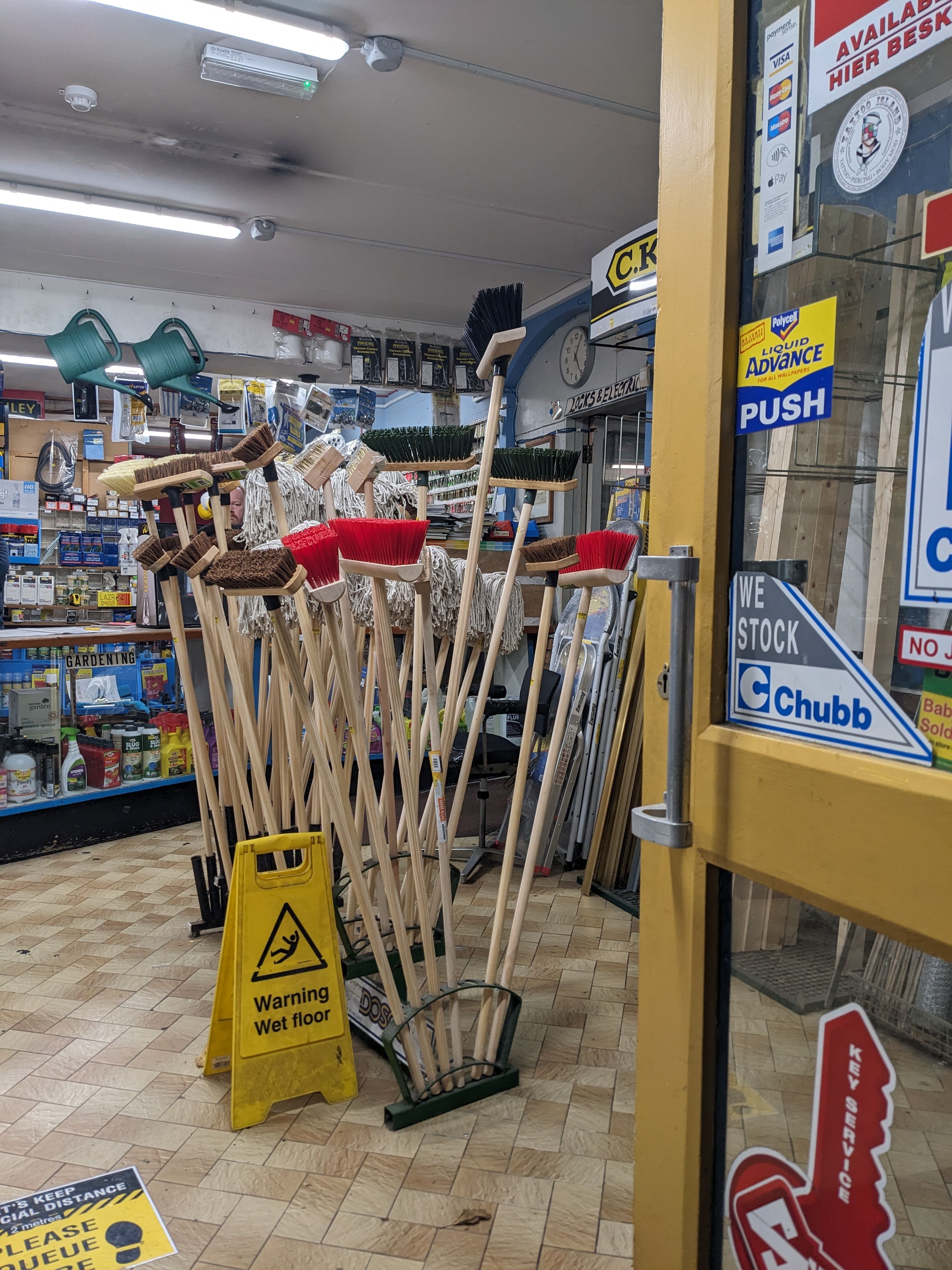
I’ll try, this month. I’ll do my best. But for now I will leave you with this beautiful display of brooms, snapped (with permission) through the door of a shop on an already-dark Thursday evening at the end of November, as I and everyone rushed through the city, our passage lifting up the leaves among us, waiting for the ones who sweep them up while we’re asleep.
Comfort for everyone, and safety, and belonging. And freedom from occupation, and from fear. And shared, active liberation. And peace of the positive kind, that is the presence of justice. Swords into ploughshares. Free Palestine.
We are eleven weeks into a twelve-week term right now, and if you are a teacher you know what I’m going to say next. I’m tired. I want to be clear: I love my work. I absolutely love thinking about poetry, love teaching, especially love teaching undergraduates. I love reading, walking, looking, and talking with others. I guess most of us who teach in universities love this work. Part of loving my work is the pleasure I feel in the creative act of teaching—responding to and thinking with others, making plans, writing lectures, arranging information visually, working to see students’ own wants and needs for their writing and to guide them in it. And also: we are eleven weeks into the term and we are probably all wiped out. I’m wiped out, anyway.
During term time, while I do some writing and some making (and in fact this year I’ve done a lot more than usual of both), it’s only as the end of the term approaches and a wider kind of time appears on the horizon that the Ideas begin to arrive. This tends to happen just as the semester’s frenetic pace comes to its peak. Events! Deadlines! Conferences! Student consultations! Extra teaching I said yes to when November seemed really far away! Class plans to make! God forbid, a social occasion! Feedback to write! How is it Sunday again! Against the whipsaw of term-time, the drawing in of evening feels like extension and suspension. I look forward every year to late November and December. (I know someone else who does, too, and she wrote a book about it that’s just come out.) The nights are really getting longer now. It’s at this point, the point of the cosy darkness and the impending break in teaching, that I begin to get ideas for making and ideas for writing.
This year, unlike most recent years, I will not spend my winter break writing job application letters, or sending out portfolios of “further documentation”, or doing interviews over Zoom from the spare room in my mother’s apartment. I will not be planning an overseas or cross-country move. Incredibly, I won’t even be preparing to teach totally new classes. It is hard to articulate just how spacious the security of my (still relatively short) four-year contract feels. Sometimes I still have to force myself to pause and realize that I don’t have to be in hypermotion mode right now. I can stop and think and pause and I can take time to make things as I do.
In fall 2021, I wrote in my notebook I want to write about art, gardens, and grain elevators, but I’m distracted by syllabus revisions, my spreadsheet of jobs whose application deadlines have already begun to loom, and the should-should-should engine of sending work out in hopes of placing something somewhere.I don’t feel brave and I’m easily tired. Or maybe what I mean is, it’s hard to live as if making and teaching art matters inside of a culture and an economy that deeply believes it does not. I was so tired that semester. We had just moved for the third time in two years, this time halfway across the US. I was teaching, again, all new classes at a totally new institution, to a new student body. We were a year and a bit into the pandemic. I could feel the ideas and even my desire to write or make work, but I couldn’t quite get there. Exhaustion, for sure, was part of this. But so was the pace of teaching and the pace of insecure work, which made a constant hum of your health insurance will end in July. So I spent my time applying for jobs. There are only ever 24 hours in a day; some things have to fall away under the facts and demands of everyday life. It made me think about what it takes to make a beautiful life.
Artmaking—well, any really important human work, whether taking care of children or other family members, of making friendships, or housemaking, or working with others to make a just and beautiful life—takes time, spacious time as well as the time we make in bits and pieces when we take ten minutes here, half an hour there, making notes on the backs of receipts while standing in line, reading a book on the bus to and from our paid work. Spacious time for thought is a gift—and it should be for everyone, not just a few of us. Time to think, make, and be still is not a luxury: it is the place where we figure out how to think more deeply, more complexly. Really it’s the place where we learn to be in the world not by rote but by response. Where we learn to be Ourselves with one another. Where we learn to have the kinds of connective, associative thoughts that are the basis both for teaching and for art—but also I think the basis for living in a world that is very complex and intrinsically shared with other complex beings.
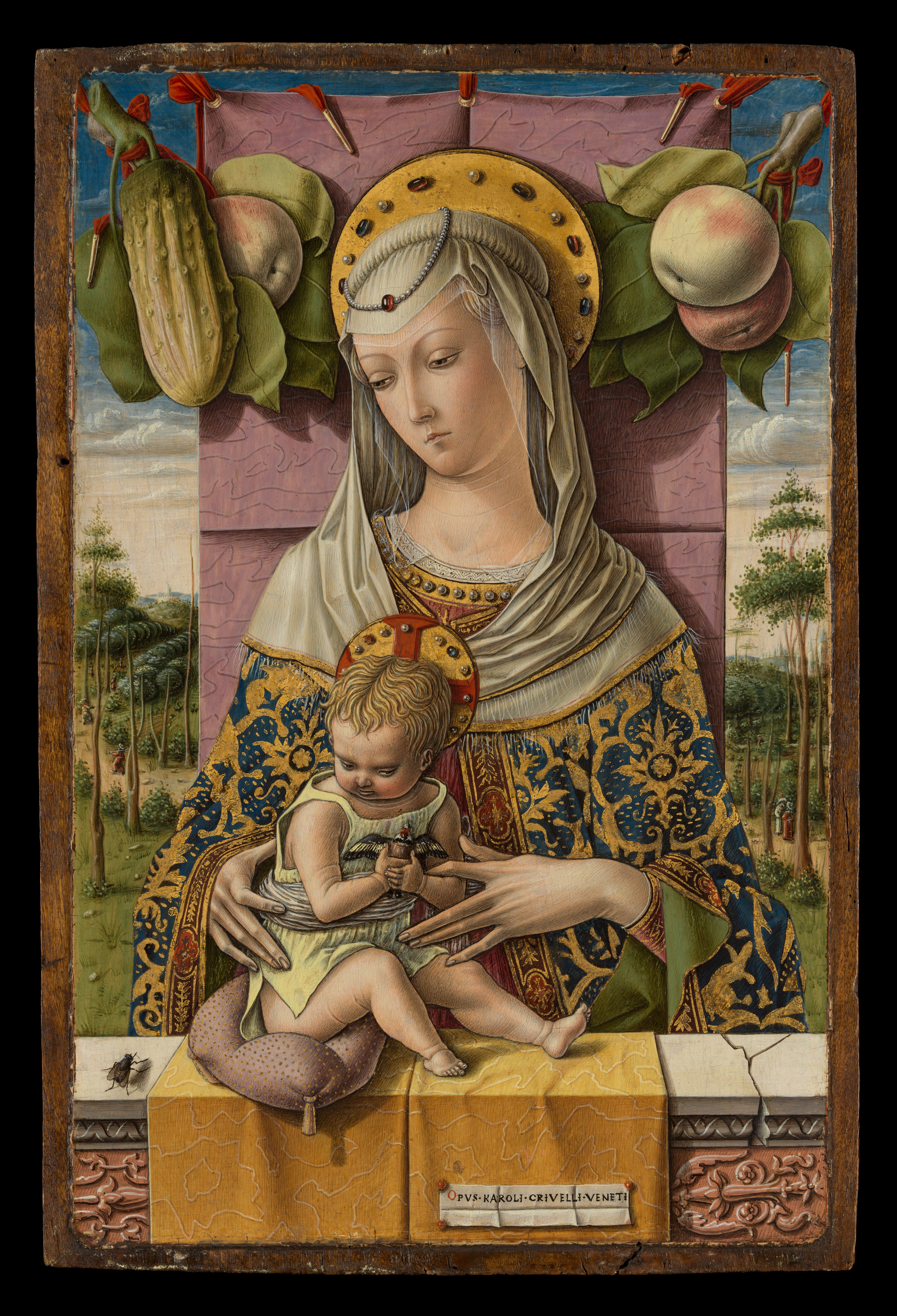
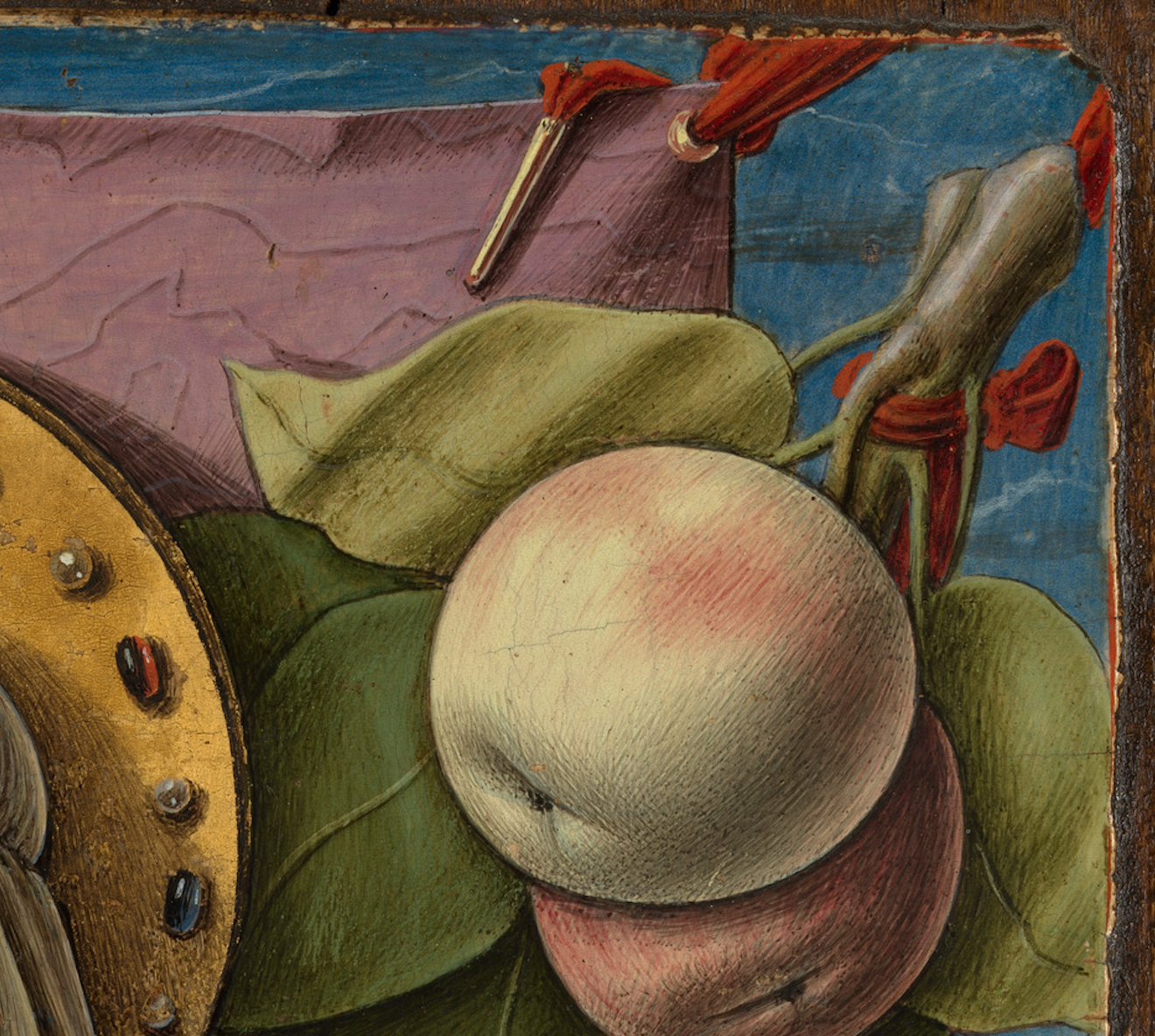
Let’s swivel for a moment. (The thread will become clear, I hope—stay with me.) Here is a Madonna and Child by Carlo Crivelli (1480; collection of the Metropolitan Museum of Art, Open Access holdings). It shows Mary and the child Jesus, who is holding (crushing?!) a goldfinch. The child looks down over his right shoulder to see a fly, whose shadow is cast on an ornate marble wall. The marble is cracked; the Met website says this is typical of Crivelli’s paintings, to paint broken walls. Jesus is sitting on a cushion that kind of looks like a scrotum—it’s a beige-mauve, with stipples that must be french knots all over it. Mary is wearing a blue mantle with gold flowers and geometric designs, and the halo perched at the back of her head is studded with irregular gemstones. Behind her, there is a dusty-purple cloth, with a woven pattern that matches a mustard-yellow one draped over the wall, under the cushion that’s under the child. And behind all that, a landscape: trees and clouds and a few small figures walking in it. But wait. What’s holding up that cloth? Red cloth laces, to a scale that seems to be the painter’s, not the subject. Tied into the laces are apples on a branch, and a cucumber with a piece of its vine.
If I were an art historian I might be able to tell you about Crivelli’s place in history, or about the way he chose to represent these two figures. If I were a theologian, maybe I’d write here about the symbolic meaning of the fruits Crivelli included. But what I want to look at are those laces—the laces whose scale links making to made thing, the place in the painting where two kinds of time and two points in space meet. These are the time of physical making (a time of ongoingness: layer on layer of tempera and gold on the wooden panel) and the time of ideas (a time of arrival that can feel epiphanic but that is in fact linked to material conditions that permit ongoingness of work, of thought, of gaze). They are the space of the image (how it presents itself to us as a real world facing our own) and the space of the making of the image, the painter’s hand near the panel much larger than the hands he painted. The laces are the connection between these times and spaces.
The laces look like having an idea to me. They look like the kind of connection you make when you are able to be deeply and lengthily immersed in your own expert practice over time—and by expert practice I am referring as much to the expert practices of care, relation, and maintenance as I am to those expert practices whose results win awards, are collected by museums, and get their authors lauded as geniuses. The laces are so weird to me. They don’t quite belong! But there they are. And what makes them belong is the attention with which Crivelli has rendered them—those grommets they pass through; their metal tips—and also the way they make sense in and of the painting. Of course there needed to be something behind her. Of course a cloth. Of course it would need to be held up. by something. Of course laces, and laces to where? —To the outside of the painting. Looking at this image I feel I can see the ideas happen. I can feel the time it takes to have them. And I have a sense of the singularity of this person’s seeing: this isn’t a replica, it’s a record of thought and response to the visual and imaginative world.
Something so small, the folds of the laces, the hardware that you’d need to hold a curtain up. But this painter in Italy in 1480 took the time to think about how laces and grommets look. As far as I can tell, he thought about this as closely as he thought about the faces of his subjects, or the feathers of the goldfinch. By his attention the painter shows me the value not only of looking closely at Important Subjects, but also at those ordinary things that constitute our universes—things that make our thinking possible even though we might not think of them. He reminds me that this is where Ideas come from: from material, from life. He redirects me: don’t neglect the world.
I’m reminded, looking at this painting, that the model I believe in for making art—by which I mean not only paintings, poems, performances, (etc.) but also a deliberately made daily life that refuses to capitulate to the limiting imaginations of capitalism, patriarchy, white dominance—is fidelity and attention to precisely those daily, ordinary objects and relations. I think back to those many seasons of winter making when I was also pressed by the knowledge that my contract would lapse in the spring, or by the fact of an adjunct college teacher’s paychecks (and the consequent need for supplementary work). One of the biggest obstacles to artful imagination (and to be clear I think that an artful imagination is not the domain of talent or genius, but is a description of what it is to be human) and the slow time imagination requires is capitalism itself. To think ourselves, together, fully, to have ideas that do not merely replicate painful or dehumanizing or simply extant forms as if they are the thoughts themselves, we must be able to work at the pace of thought—the occasional epiphany, yes, of the shadow under the fly, but more often the pace of thought that takes its own time and in that time comes into its exact, irreplicable self.
And finally, completely relatedly— Let all beings be free, safe, beloved, and well. Stop the bombs. Swords into ploughshares. Free Palestine.
On November 19at 2 p.m. US Eastern I will give the first of two lectures as the Annulet Inaugural Linkages Lecturer. I will give a talk entitled “When you get someplace new, learn to read the landscape like an alphabet”. This talk will be broadcast online, for free. To register, please click here.
On November 21, I will read and talk with Majed Mujed and Hua Xi as part of the Trinity College Literature & Resistance Series, in the Trinity Long Room Hub. You can book a place here (in-person only).
On December 10at 2 p.m. US Eastern I will give the second of the Linkages Lectures. I will give a talk entitled “On the line”. This talk will be broadcast online, for free. To register, please click here.
Once these are done, I am never doing anything in public again. For at least a month. But I’m sure by the start of the new year I will be full of vim again. If you’d like to have me to read or speak at your university, school, class or organization in 2024, please drop me a line.
One day, the light changed and it was: late fall. Or early winter. In the mornings the air is damp and cutting. In our apartment, the windows are covered so thickly in condensation that if it is overcast, the condensation stays all day. Even opening the windows doesn’t always get them to dry out, so our apartment is damp and cold, even with the heat on. A student returns a book they borrowed and it is stippled with lavender mold. My room is so damp, they tell me, and I can see they are ashamed to return the book in this condition, but I’m thinking: what about your lungs? What about your bedding? Spray some vinegar on the book and it will be fine, but bronchioles are a little more delicate.
I look across the back yard to our landlord’s house, and notice that his windows never have condensation on them. Then I take a squeegee and open the window and carefully wipe the water off the window, into the cold outside air.
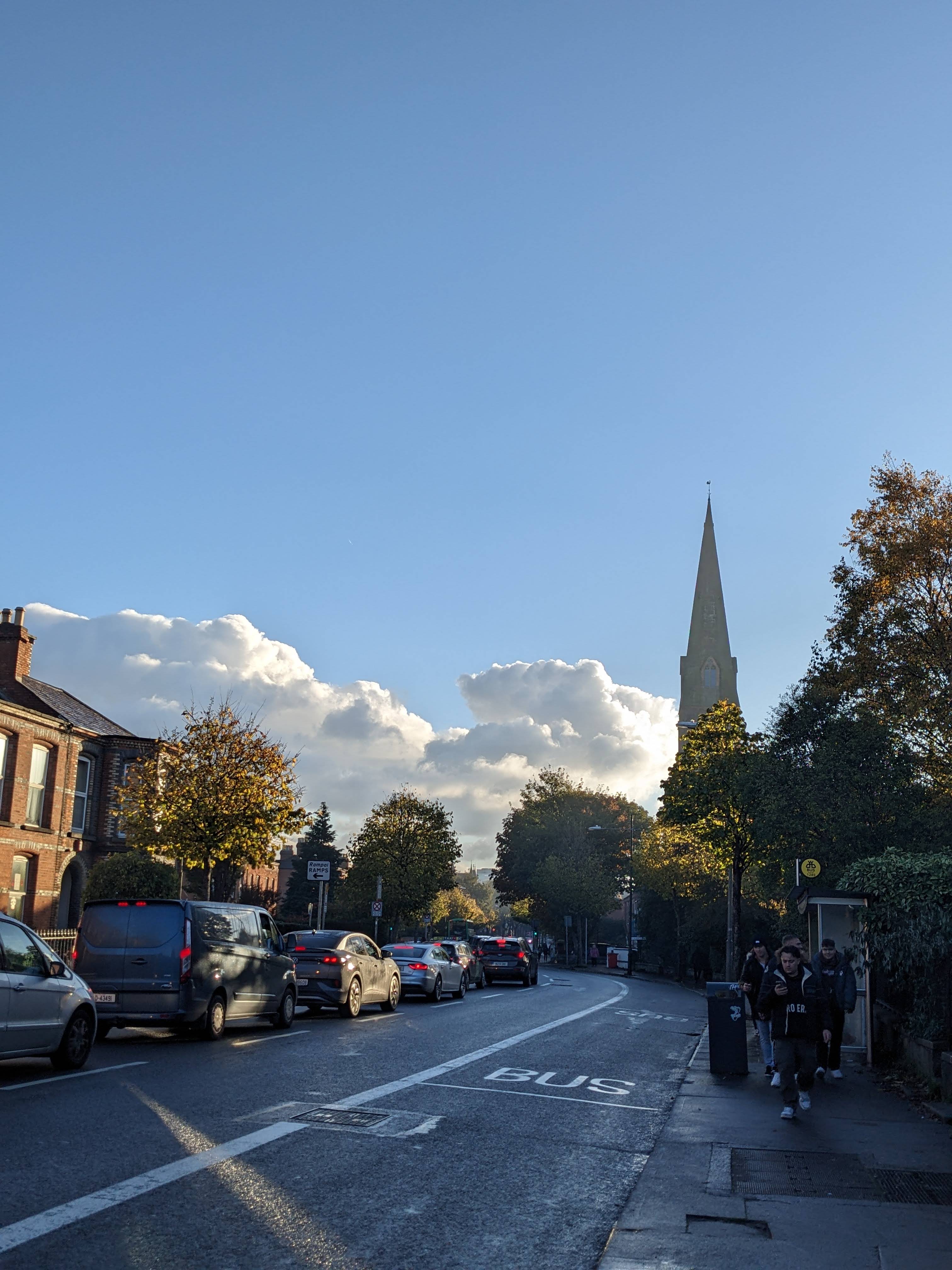
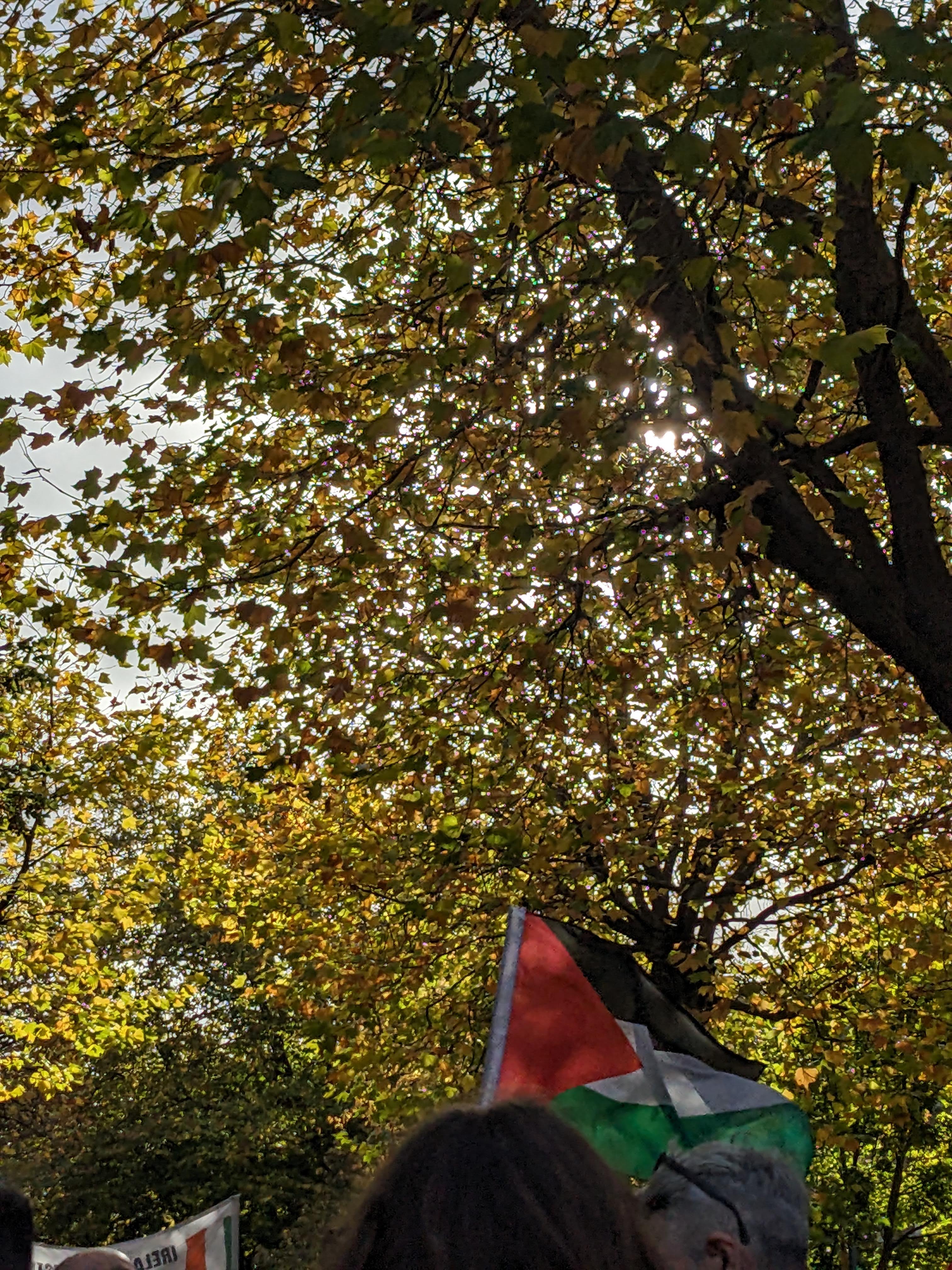
Despite the sharpness of the damp-cold, on days when the sun is out it’s easy to get overheated. I bike across town to meet hundreds of other people in front of embassies and monuments. When I leave the house I’m wearing two sweaters, long underwear, a jacket, a scarf, a hat, mittens. When I arrive on foot, my bike locked up elsewhere, I have unzipped my jacket, removed my hat and scarf. The sun of early November comes through the golden leaves of sycamores and hazels, and through the mist rising from asphalt in this city of aggressive drivers and tall yellow buses, this city guided along its north and south by straight-edged canals. In cities where the buses are running and the ordinary chores remain to be done—the groceries, the laundry, the dishes—all over the world, there have been people meeting in front of monuments, in front of embassies, in the cool damp air.
As we walk I hear Sister Rosetta Sharpe playing, singing | hear Mahalia Jackson singing: this is the tempo of this kind of walk, to me. We are here for one another’s liberation; we are here for refusal (a refusal we can only do together). What a joy to be able to refuse together, what a tender obligation. Lay down my sword and shield, down by the embassy, down by the armaments manufacturer, down by the multinational corporation benefiting from indentured labor, down by the university, down by the side of the canal, with you. Under the golden leaves some people are crying, and some are shouting, and some are silent, and all of us are together, warmed by the light in the sky that cannot be owned and belongs to all of us.
This week I have been listening to The Alchemy Lecture: Five Manifestos for the Beautiful World, organized by Christina Sharpe at York University (CA). (I’m not sure how long this recording will be available. Information about the series is here. Last year’s Alchemy Lecture is published and available here.) The manifestos are given by Joseph M. Pierce, Phoebe Boswell, Cristina Rivera Garza, Saidya Hartman, and Janaína Oliveira.
One thing I have thought about as I listen is the difference between event-makers who consider the audience a coequal presence with the speakers, and event-makers for whom the audience is an afterthought, or not a thought at all. One way care for audience shows up is in the way event-makers think about architecture. By architecture I mean the shapes of rooms, the way chairs are set up, the ways one can come in and go out of the space, the way eye contact is or is not made (and with whom), how hospitality is broadcast (in body, speech, arrangement, sightlines…), the way that one’s ticket is or is not taken, the organization of space and space-use so as to make it possible to feel one is permitted—or even welcome—to be there (or not), as well as normalization of access (using microphones, having interpreters, asking for masks to be worn, ventilating/filtering air, spaces for all kinds of bodies to sit or be comfortably). These ‘little’ things (they aren’t little—they are worldmaking) are so often neglected because they do not seem glamorous. In fact they are mostly deglamorized, seen as killjoy problems, made to seem a little embarrassing or outrageous, in the way of fun (for whom?).
But I think this kind of space-making, audience-oriented care, and all the choices that doing it requires, are the entire fabric of our relation. And such care often underpins events that are in their entirety rich, carefully made, thoughtful, exciting—why? Because someone who has stood in the back of a hall and washed dishes knows what it’s like to feel not-in-the-room and moreover knows how to make a room, in all its detail, that doesn’t do that to others; someone who has felt invisible or isolated knows what it’s like to be welcomed, against expectations, and so how to attend to real and deep hospitality. Someone who has done or pays attention to the kind of work that makes an institution run—whether teaching composition on an adjunct contract or cleaning toilets and emptying garbage cans or getting up early to chop onions in an institutional kitchen—knows that that labor’s invisibility or lack of ‘glamor’ is not a picture of its dignity, meaning, or value. There is a moment when, in her introduction, Sharpe speaks directly to the workers who clean, make food for, and maintain the university where this lecture is about to take place. That is the kind of thought and attention that to me is a harbinger of a beautifully made event.
Showing care for these ‘little’ (not little!) things is almost always, in my experience, a sign that the careful making will be thorough—that everything made by this intelligence will be attentive and aware that to give an event means to ask people to live toward death with you a while. And so it is with these lectures, which are audible (! recordings aren’t, always!) and smart and interesting and given with a rigorous towardness for the audience, whose living presence the organizers and speakers have clearly considered just as much as they have considered their own there in the room. It goes without saying that the ideas and ways of making them that the five speakers offer are worth your time—I hope you’ll give them a listen/watch while you can.
Another student, in a conference, says they hadn’t wanted to show me their work because it is ‘not poetic’. And then they show it to me and it is so meticulously observant of their everyday life, their everyday language; it is beautiful. Look, I want to say to that student, to myself, to all of us: there isn’t any poetry out there that could be more beautiful than your steadfast attention to how things are, where you are, what they mean, how they work, in the language of your body and house and family, religion, region. There is no received form or received understanding of aesthetic pleasure that could ever be as beautiful as this description of your bus ride. And if you look closely at your bus ride for long enough I think it will also teach you how(s) to think through the questions that might seem far off but are in the end intricately related to it: how to be together. What a life is for. What kinds of things we want to make, with one another, for one another, in this world that is continually ending.
And finally— Let all beings be free, safe, beloved, and well. Stop the bombs. Swords into ploughshares. Free Palestine.
I learned to read poetry by reading anthologies and textbooks, sitting on the cement floor of the basement to keep cool in childhood Augusts and on the living-room radiator to keep warm in childhood Decembers. I read Understanding Poetry by Cleanth Brooks and Robert Penn Warren, a yellow clothbound copy that had been annotated by my father’s college English teacher. I read anthologies of twentieth-century poetry that had been up-to-the-minute when my father was in college twenty years before; I read prosody textbooks, books of prompts paired with individual poems. I read ex-library anthologies of children’s literature for teachers, and anthologies of poems selected for children and young people. These books were kept on shelves with books about Egypt and books about Ireland, books about baseball and books about taking and developing photographs, books of art projects to do with children, cookbooks. They were part of the fabric of everyday life.
As a child I didn’t know there was such a thing as “being a writer” because writing was something that just happened (grocery lists; school papers; stories) and poems were just things that were around, like chairs. Writing in our house was for everyone, just like drawing was: you can make three lines into and A or four lines into an E? Congratulations: it’s poem time. Memorize “Jabberwocky” or “The Lake Isle of Innisfree” or part of “The Raven” or “A Dream Deferred” and get a quarter, the same reward you’d get for immersing yourself in Lake Superior when we went camping over the summer. Poetry was normal; it appeared every few pages in the ancient readers that had been my grandfather’s schoolbooks. It was threaded among short stories in the Norton Anthology of Children’s Literature that had been my father’s. It hung on the wall, both a framed poem by my aunt and clipped-out poems on newsprint. The house I grew up in was like an anthology in all it held—an old-fashioned anthology, eclectic and thematic and revealing of the tastes of those who made it.
Encountering poetry in anthologies and in the house I grew up in meant that the context I learned poetry in was not the context of one author’s work or the order of a collection, but the context of an editor’s concerns and the context of what my parents found, collected, enjoyed. It meant I read widely but rarely in depth. It also meant I memorized poems just by happenstance, as I encountered them as discrete objects in different books or hanging on the wall, day after day. I could see the poems in a way, because they were just there, one at a time.
When I went to college I brought with me the ways of reading that the anthologies and old textbooks of my childhood taught me. It didn’t come easily to me to read as some of my peers did—dozens of newly published single-author collections each month. I skipped around, read a collection here and there, went deep in the stacks to find books by their spine thickness and alluring colors. (I still remember one edition of Neruda’s Twenty Love Poems and One Song of Despair, Merwin’s translation, a tiny, pink book I renewed repeatedly until I’d had it out for more than a year. I carried it around everywhere.) I read horticulture and textile history books, histories and linguistics textbooks. And I read anthologies, both for class (thick Nortons) and for pleasure (by subject and by year, from the Best American poetry seriesto new anthologies of experimental and contemporary poetry). But after I left university, I didn’t read anthologies much: they were too large and heavy to move around.
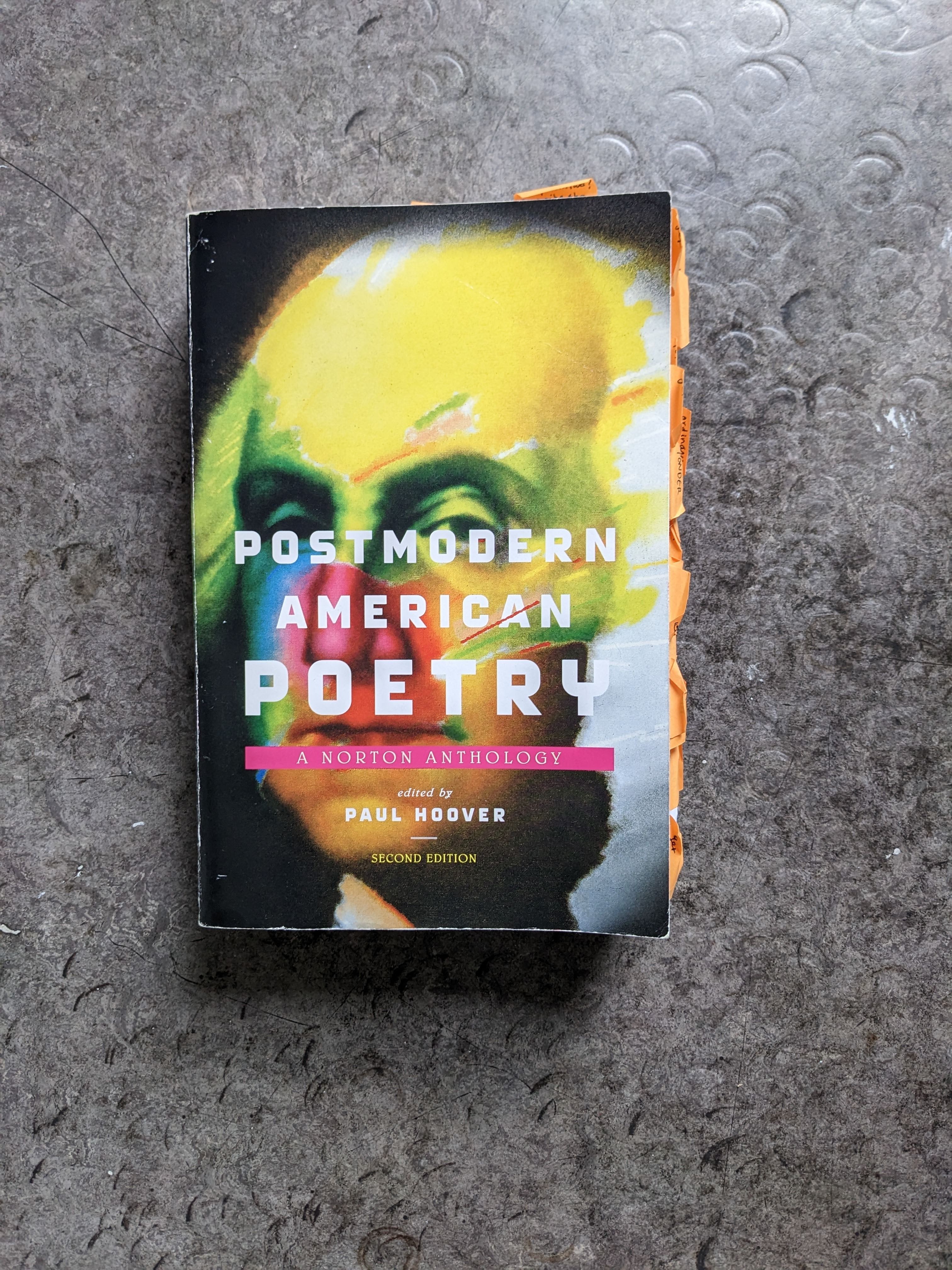
In December 2022 I found a used copy of the Norton Anthology of Postmodern American Poetry in a bookshop. I like to have a project to start the year with, and I thought, huh. I could read that. In the past few years as I’ve taught both generalist and specialist courses I’ve often come up against places where I can feel the limits of my training. I knew reading this anthology would help me slot some pieces of my poetic history and contexts together. So, between January first and the end of March 2023, I read some of this anthology almost every night. It was one of the most pleasurable reading experiences I’ve had in a long time. Why?
It was various. So many things to read, so many different things. If one writer’s work wasn’t my favorite, I knew there were just a few pages of it—and I could really pay attention for just those pages. The variety helped me see similarities and transfers of ways of working, thinking, making, as well as branches and new possibilities. It reminded me how many ways there are and have been to poem, and also how long ago some of the habits of ‘new’ ways of making poems appear.
The chronology of the book was also pleasing. I wanted to read to learn: to understand some histories of influence and confluence in US poetry in the mid- to late 20th century. I wanted to get to know the work of writers whose work perhaps helps to set the perimeter of the field I work in—21st century experiment, or post-language lyric, or the expanded field, or whatever way it might be called. Chronology helped me understand where how I work and what I read came from (in part, of course. No anthology could capture the breadth of sources for the making of poetry). Who taught whom, directly or indirectly? I could map that, and begin to connect the map the anthology made with other maps I had. As often happens with a map, I could understand more about where I was.
I found pleasure in the book’s sheer size. It felt great to sit with that big volume on a pillow in my lap in bed, with a pen. It felt serious—a kind of study that was a challenge—and I remembered how good working hard to read and write feels. It returned poetry to the center of my vision in a way that hadn’t been possible during years of many moves, many job changes. I felt accomplished each time I worked with the book, even though some nights I could only manage a page or two. But page by page I worked through it entirely. In some way it restored an earlier way of writing and reading to me, one I wouldn’t have known how to set out to find again.
Reading anthologies helps me see widely, helps me understand pattern. It introduces me to writers whose work I might otherwise not have met, and it helps me understand their relationships. (In this case, I was also reading to understand who taught whom, where poets who are anthologized in this way lived and studied and worked, and to trace the kinds of words that were used to talk about these poets—information I found in the short texts introducing each one’s work.) Reading anthologies makes me a more critical reader, too, teaching me to see the seeing of the organizing force not as neutral but as positioned in taste, influence. I noticed that there were almost no writers from the US midwest in The Norton Anthology of Postmodern American Poetry, for instance, and that many of the writers clustered in two or three geographic locations, having been educated at five or six universities. I also noticed how white it was, and how ‘normal’ that was in the anthology. This edition (the second) was published in 2013. I think a third edition would look very different—or maybe not. It would depend on the organizing force.
I will leave this week’s dispatch by making an anthology recommendation. One of the most enjoyable anthologies I’ve read is the 1999 Beacon Best Of, edited by Ntozake Shange. I bought it almost ten years ago when I was on a kick of reading everything she’d written (or, in this case, edited). It’s a really good selection of all kinds of writing, and I remember reading it was like finding a shop with all the most beautifully made and presented things for sale.
And finally— Let all beings be free, safe, beloved, and well. Stop the bombs. Swords into ploughshares. Free Palestine.
![[while washing the dishes]](https://bewilderment.ohbara.com/wp-content/uploads/2024/02/Screenshot-2026-03-13-at-10.55.00.png)
![[while walking]](https://bewilderment.ohbara.com/wp-content/uploads/2024/02/Screenshot-2026-03-13-at-10.55.52.png)
![[while washing the dishes]](https://bewilderment.ohbara.com/wp-content/uploads/2024/01/Screenshot-2026-03-13-at-10.57.46.png)

![[while walking]](https://bewilderment.ohbara.com/wp-content/uploads/2024/01/Screenshot-2026-03-13-at-10.58.18.png)


![It's always too soon to go home. And it's always too soon to calculate effect. I once read an anecdote by someone in Women Strike for Peace (WSP), the first great antinuclear movement in the United States, the one that did contribute to a major victory: the 1963 Limited Test Ban Treaty, which brought about the end of aboveground testing of nuclear weapons and of much of the radioactive fallout that was showing up in mother's milk and baby teeth. (And WSP contributed to the fall of the House Un-American Activities Committee [HUAC], the Department of Homeland Security of its day. Positioning them- selves as housewives and using humor as their weapon, they made HUAC's anticommunist interrogations ridiculous.) The woman from WSP told of how foolish and futile she felt standing in the rain one morning protesting at the Kennedy White House. Years later she heard Dr. Benjamin Spock-who had become one of the most high-profile activists on the issue-say that the turning point for him was spotting a small group of women standing in the rain, protesting at the White House. If they were so passionately committed, he thought, he should give the issue more consideration himself. (From Rebecca Solnit's HOPE IN THE DARK, p.3)](https://substack-post-media.s3.amazonaws.com/public/images/c85c8458-4129-41e8-9e5f-663cc531ee1a_2282x1912.png)

![[while washing the dishes]](https://bewilderment.ohbara.com/wp-content/uploads/2023/12/Screenshot-2026-03-13-at-11.03.13.png)
![[while walking]](https://bewilderment.ohbara.com/wp-content/uploads/2023/12/Screenshot-2026-03-13-at-11.05.20.png)
![[while washing the dishes]](https://bewilderment.ohbara.com/wp-content/uploads/2023/11/Screenshot-2026-03-13-at-11.06.05.png)
![[while walking]](https://bewilderment.ohbara.com/wp-content/uploads/2023/11/Screenshot-2026-03-13-at-16.57.13.png)

![[while washing the dishes]](https://bewilderment.ohbara.com/wp-content/uploads/2023/10/Screenshot-2026-03-13-at-16.58.15.png)