Author: bewilderment

  • Abundant Number

    Abundant Number

    it’s here, and I’m gone, goodbye, goodbye

    (This post is “too long for email”, so if you want to read it all, you’ll have to click through.)


    So all I want to do is find you in the material world.

  • to all the Junes I've ever known

    to all the Junes I've ever known

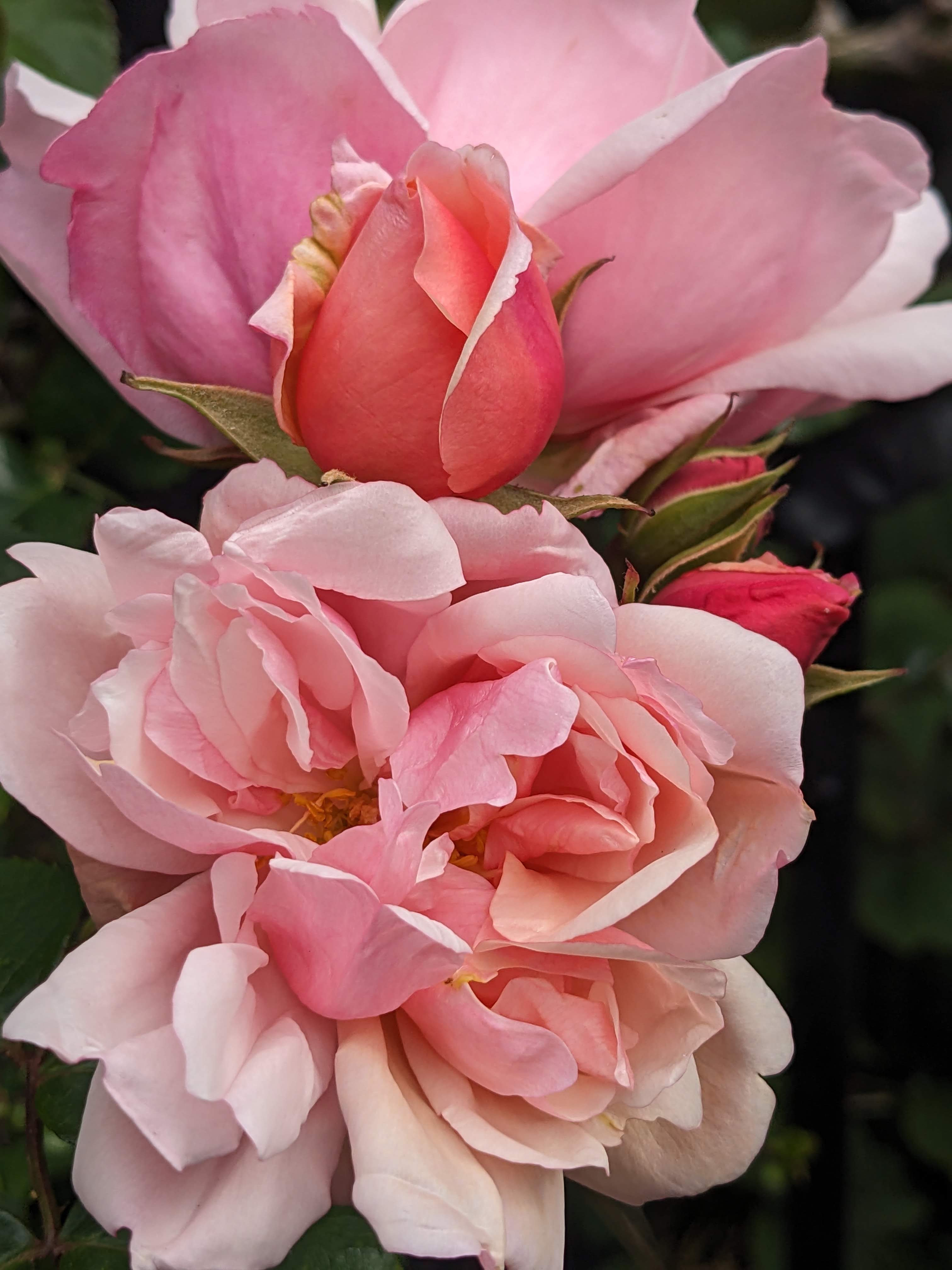
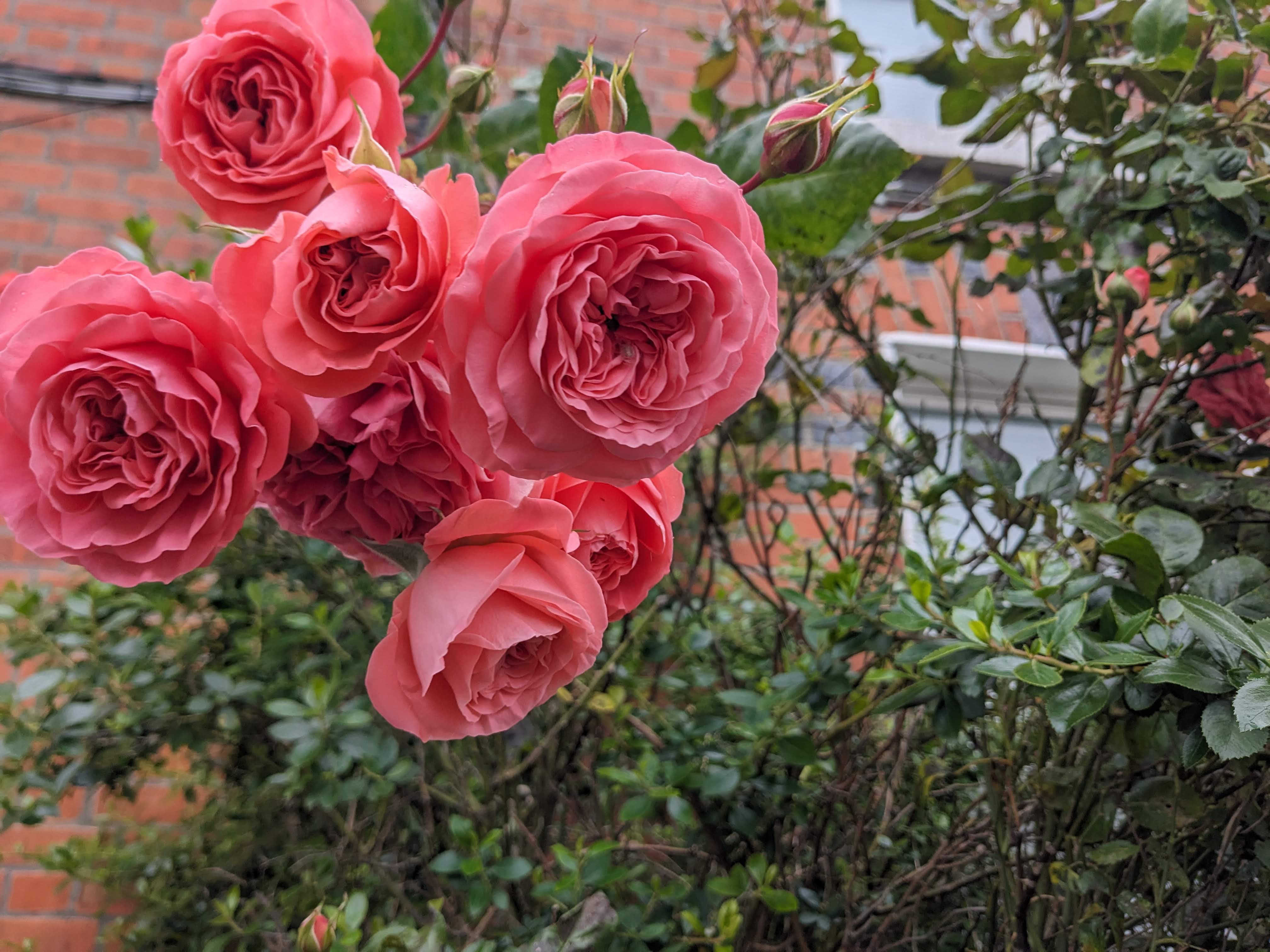
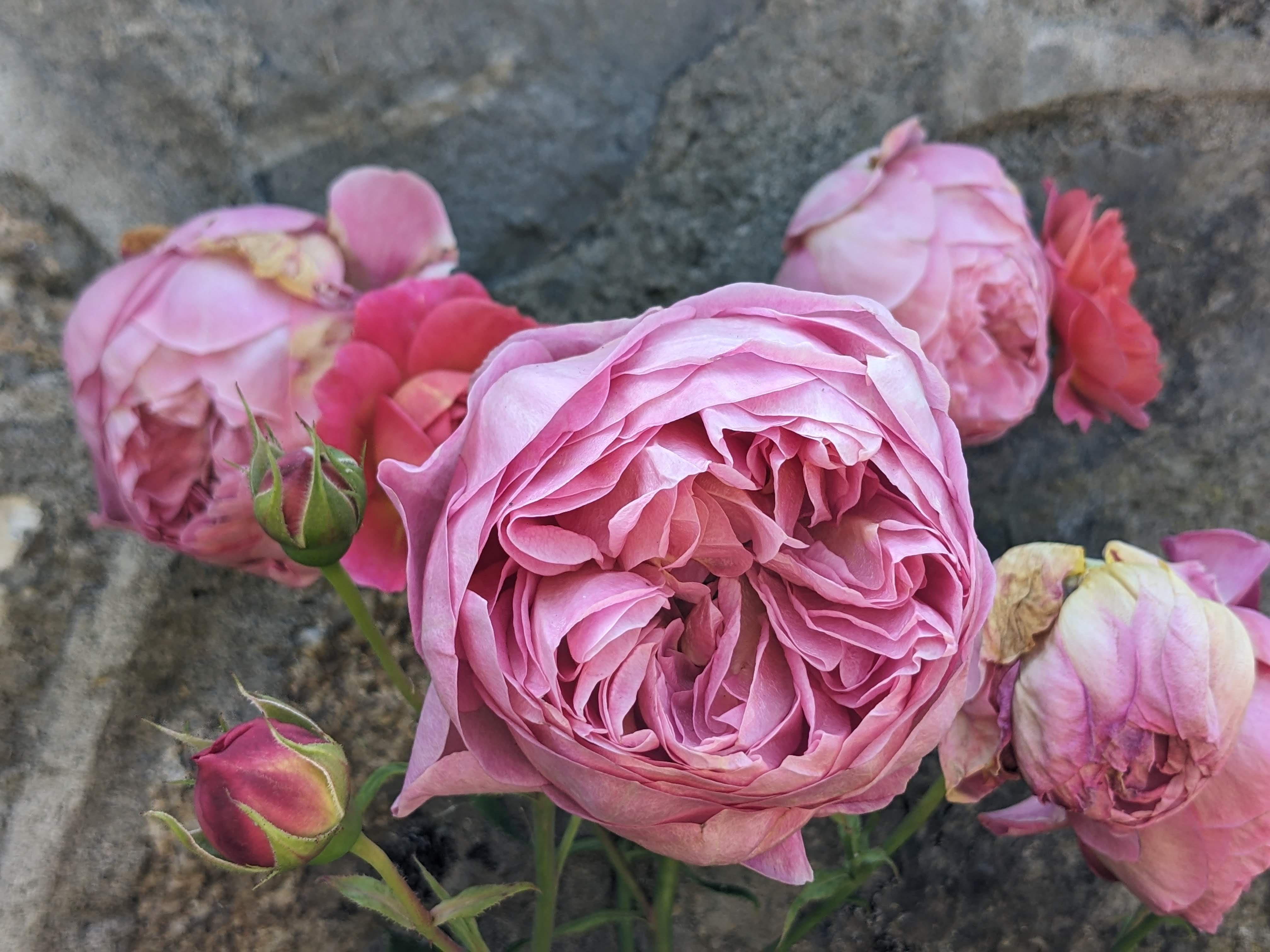
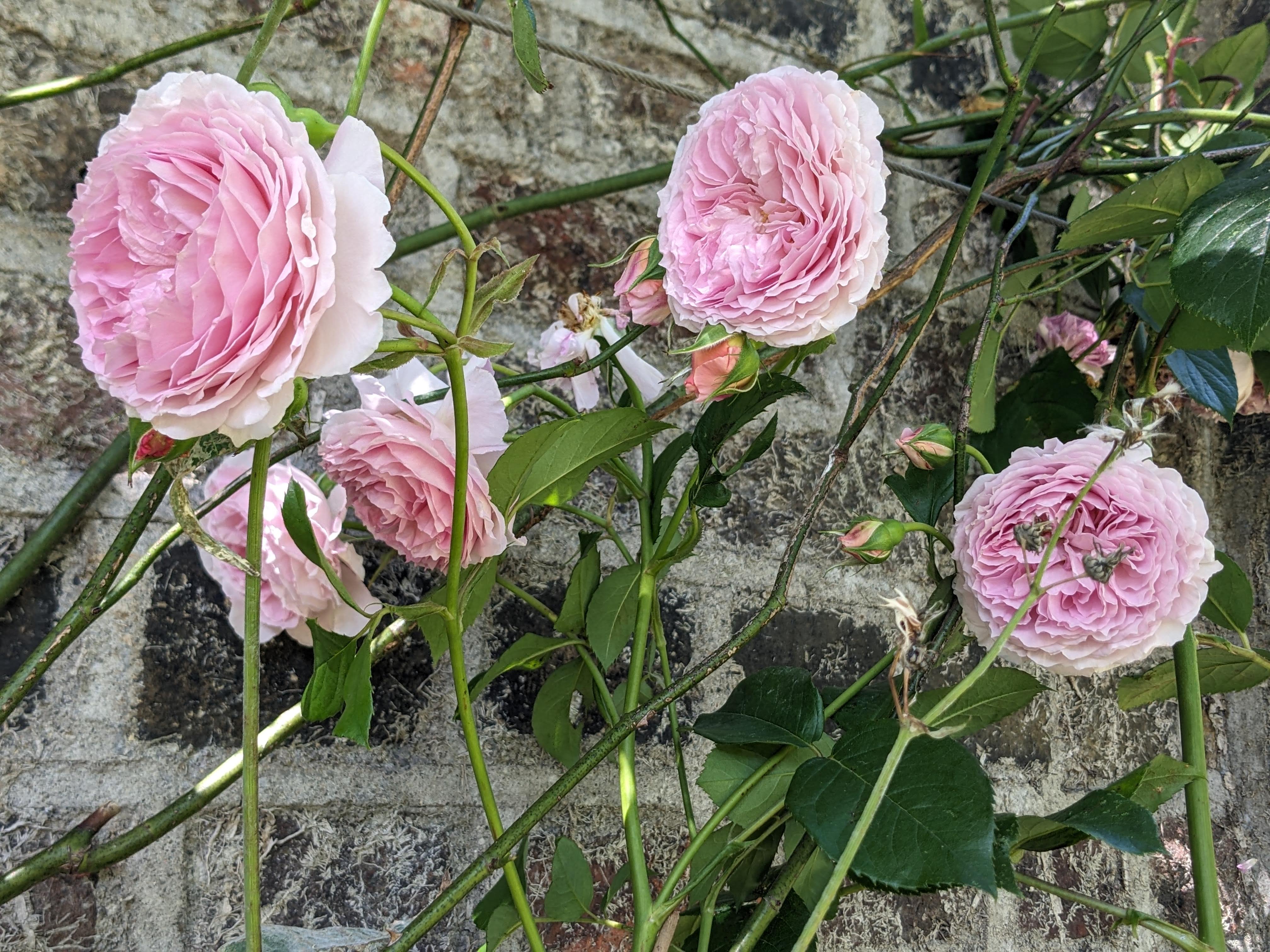
    the utopia of the roses

    First things first: would you like to read a long essay on the poetic line (and other lines, from which poems’ lines cannot so easily be disambiguated)? You would? Here it is. I worked a long time on this and so I am using it to teach myself how to post and repost links to the same piece of work until at least 1% of the people I know have clicked it.

    A little excerpt: “I wanted to think about something I often said in my classes: that form was brought to us by our canons and our peers, but that it also came from the world; that we could go to the world to find it and to think about it, and that describing the forms the world gave us, sometimes by talking about them and sometimes by making poems in them, could teach us about formal meaning. In fact, I realized, what I was trying to say was that formal meaning-making in prosodic terms was not far at all from the kinds of formal meanings we read in the world every day.” Here’s the link one more time. Thanks to all at Annulet for making the lectures and this publication possible, and to Andrea Beltran for the nomination.

    You can subscribe if you like. There are two more essays to come on Bewilderment. Click the green button below if you’d like to receive information about Abundant Number.


    If you are interested in creative writing teaching methods, you might like to come to an online discussion by the winner, runner-up (uh, that’s me), and honorable mention winner of the Bechtel Prize, given yearly for essays that demonstrate innovation in writing pedagogy. July 17, 2 p.m. US Eastern, free. Register here.


    Finally, some other things you may be interested in:

    • Jeff VanderMeer, “Water Lives Here”, a talk given at the Key West Literary Seminar about imagination, fiction, responsibility, landscape, belonging, water. Really, really good.

    • “The Antiquity to Alt-Right Pipeline”.

    • Low-Tech Magazine: “Why the Office Needs a Typewriter Revolution” (In addition to everything else, I find using a typewriter is pleasurable in a way using a laptop is not. I can also understand now why office workers had secretaries. Typing is hard work!).


    The utopia of the roses is here.

    I have to firmly brush away the easiest things to write—empty and embroidered and puffed up like dough in boiling oil, no interior. The internet has its genres like anywhere else does, and as a pattern-seeking being (as all humans are), I can perceive them. Easy to fall into the expected. Easy to follow the places thoughts have been before. Easy to do what I know with ease will be easily beautiful. And there is a genre, among internet writings in 2024, of easy beauty, which is to say overblown, breathless, a lot of sound and little significance. Oh. I’m talking about advertising.

    A wren just landed on the rain gutter I can see from my window.

    The thought occurs to me again that even to type these words onto a screen made of light requires more electricity, more mining, more assembly, more logistics, more transport, more infrastructure than my grandparents’ grandparents could probably have imagined. My life touches, my needs thread through, the lives of innumerable other people, and yet the internet produces, often, the sensation in me of sharp and cold isolation.

    Out our front door, a riot of calendula. I cut the flowers back and see the buds on the lower branches. Give the bouquet to the downstairs neighbor, who gave us a frangipane cake last week. She tells me that the calendula I took the seeds from, around the corner from our house, grew from seed she sowed on her last walks while pregnant with her daughter. We didn’t even know one another when she sowed those flowers, and now their descendants grow in the front garden of the house we share.

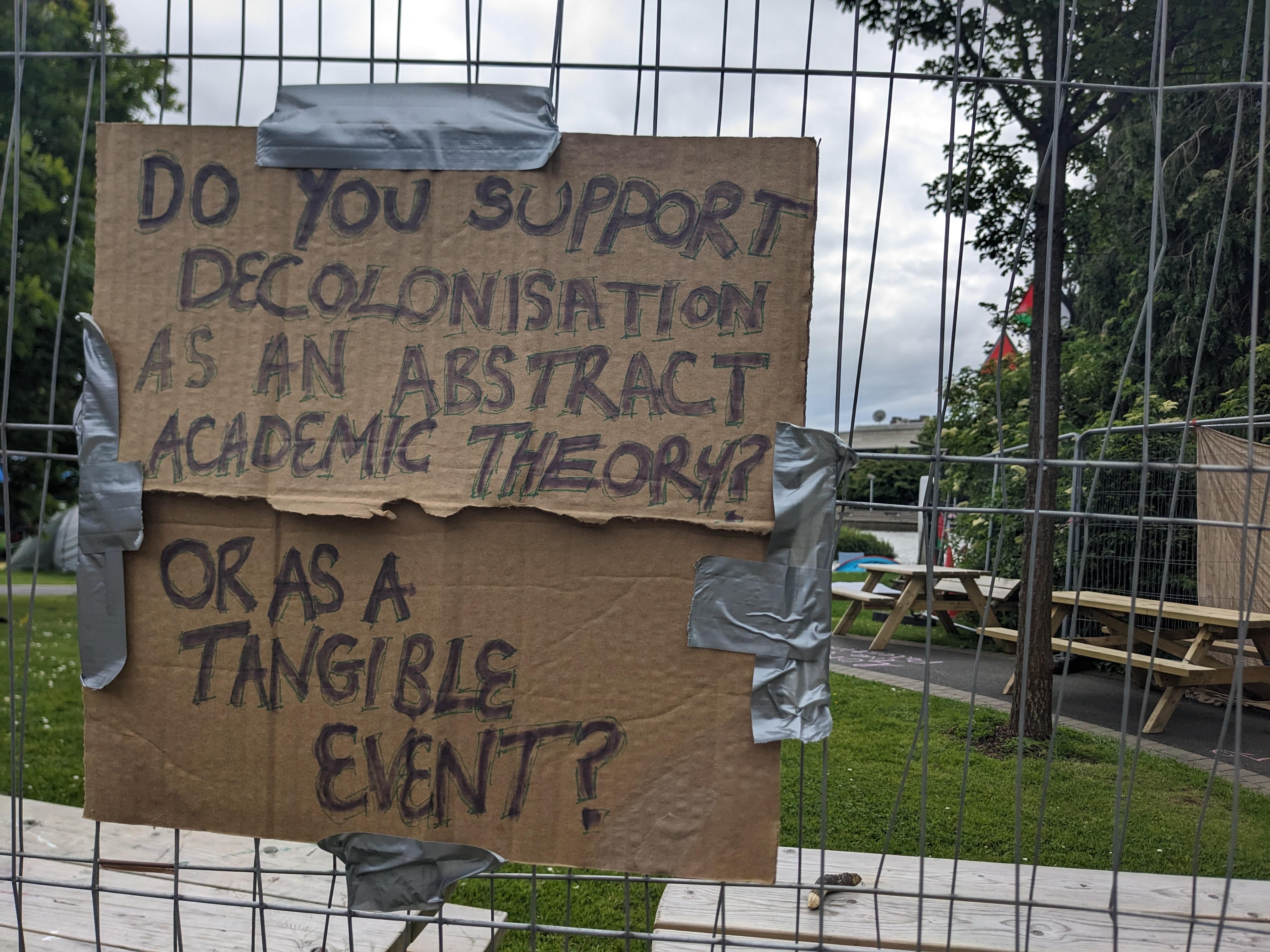
    In the encampment, the student from my poetry class cried as they described what it felt like to win the students’ demands but (and) to lose the encampment. The beauty of being there, together, every day, making decisions about how to be together, every day. Yes, I said, it’s a real loss. You are allowed to grieve it. You all made something with real beauty too. The encampment was dismantled by the students who built it, and around them the hydrangeas filled the air with their massive cloud-shaped flowers in the colors of electric rain.

    That thing where you are reading something, and it moves you, and then you realize you are being sold something, and that the moves you that happened inside of you is the way you’re being sold whatever it is. It happens in the writing, too, subtly: I have to hold the reins of myself with care to feel the pull toward a way of writing that I know could seduce, with nothing behind it, or that would smooth my thinking into the grain of commerce that places like this one (this walled garden app, this tech-bro-warping of the way we wrote to one another by letter and by blogspot!). But actually, my life and yours are not for sale. Thinking is free. Being together is free. Not for sale.

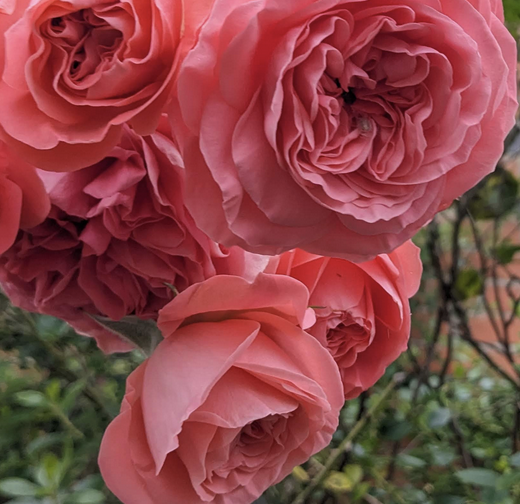
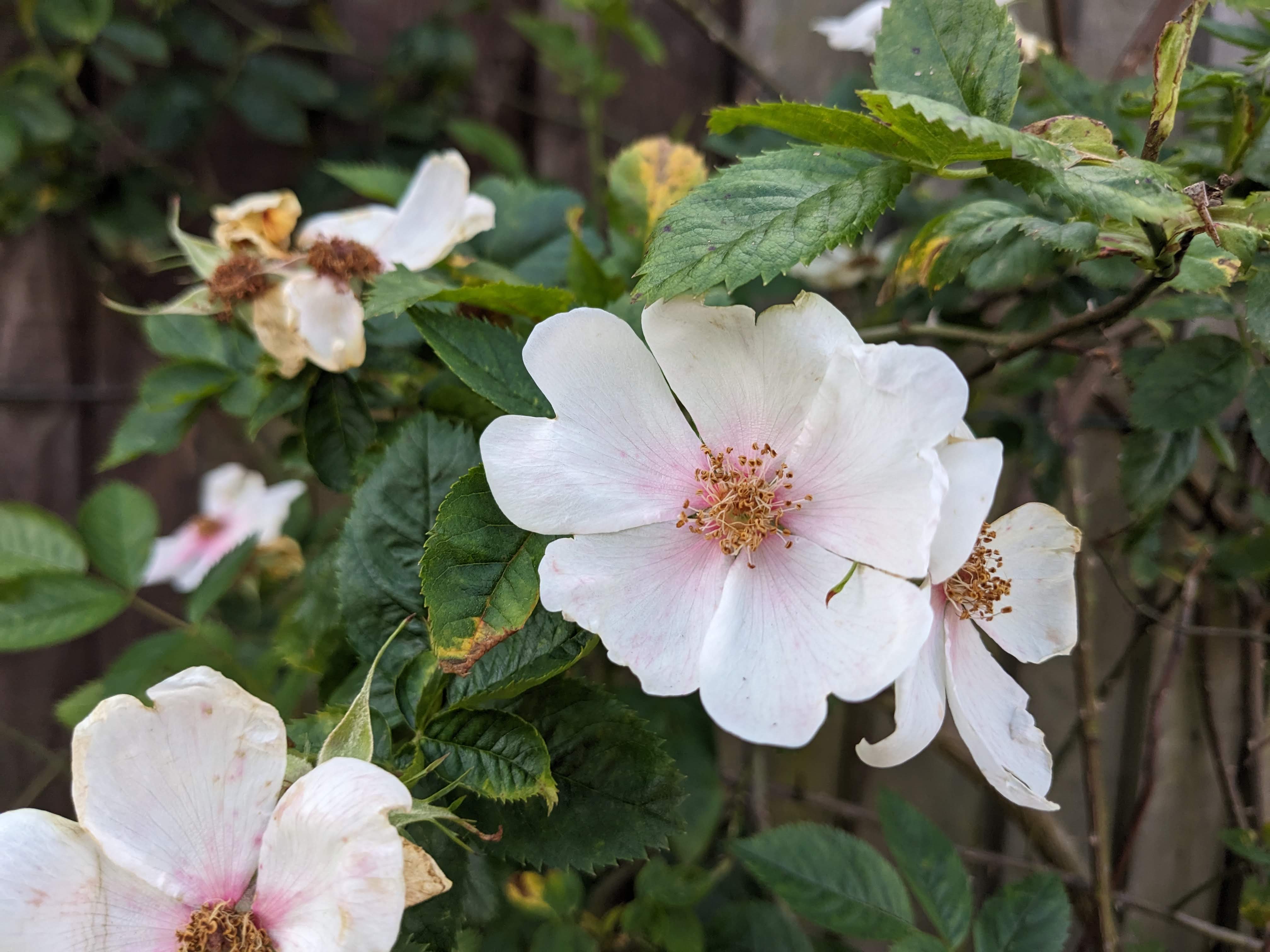
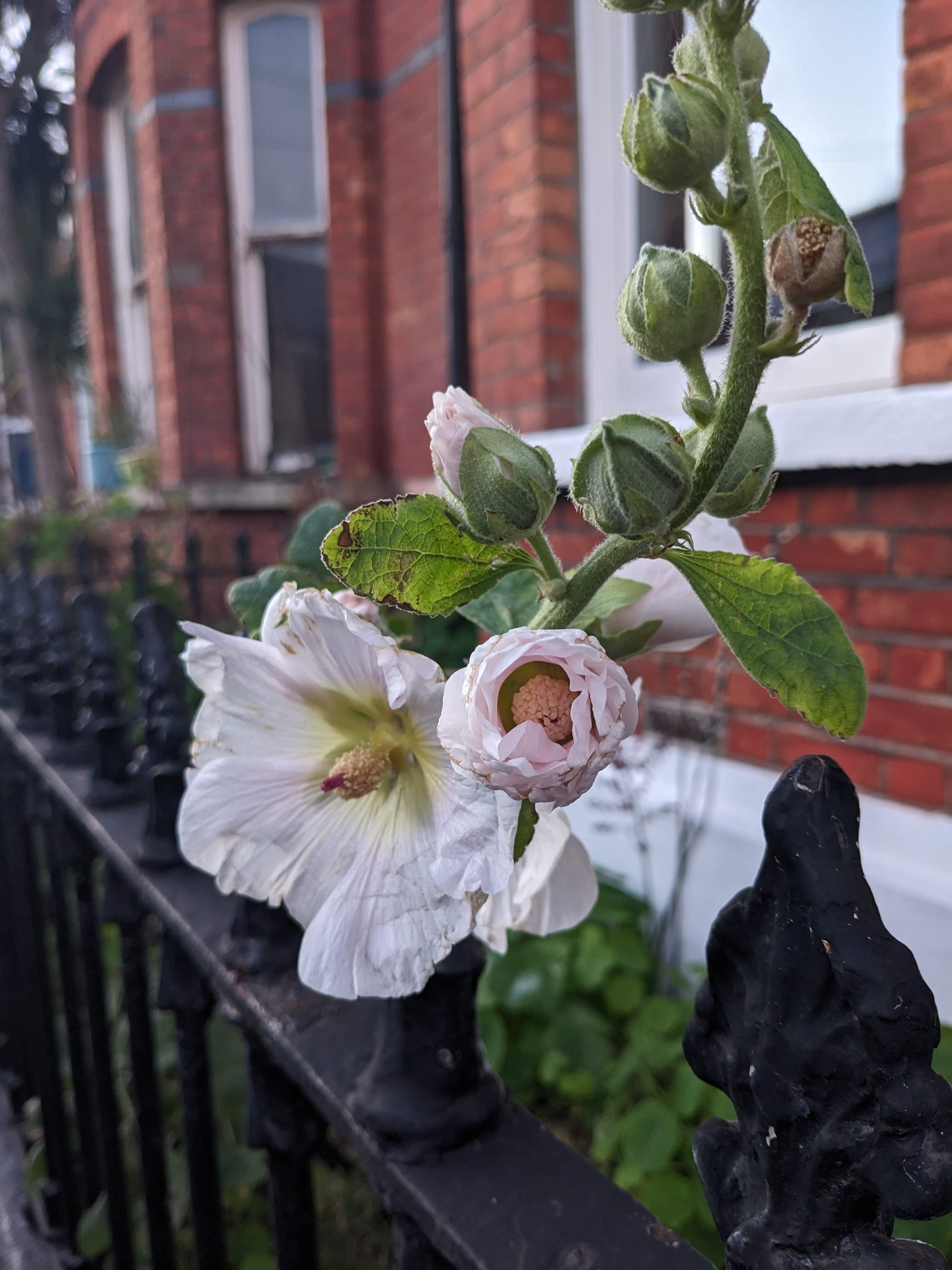
    You know why I like the roses that overhang the iron fence? The roses in the public park? There’s no exchange required to smell them, touch them, see them, except that I give my human living time for the human living time of the ones who planted and tend them, and for the vegetable living time of the roses. A perfect scale.

    This June I saw Yoko Ono’s work installed in a major museum and—as it always does—it moved me. The small typed cards moved me, the film of the scissors at the clothing moved me, the black sack my friend and I entered to walk around part of the gallery in moved me, the photograph of Ono through a window covered in sheets of paper moved me, the nails, the hammer, the film of bottoms, the apple on its pedestal: moved me. And I also thought about the modesty of her early work: its use of paper, trash (Morning Piece—one of my favorite things she made), language, vulnerability, ink, time—these materials that are so ordinary and so common. The museum worked hard to make sure the exhibition felt “worth” the exorbitant price of entry (£25), and I am very glad I saw it. But I did think about the difference between the insistent ordinariness, handmadeness, and smallness of Ono’s early work and those huge galleries it was displayed in that led us toward the newest work, much smoother, much more polished, and much more of a scale for such galleries.

    At the kitchen table, the midsummer sunlight illuminates a bouquet of parsley until almost 11 p.m. now. We drink cold orzo with milk on the warmest days, which are not very warm, all things considered, on this island in the North Atlantic.

    We all belong to the utopia of the roses. Though states may strip us, horribly, grievously, of the rights a state may grant, we know our obligations, which are unending, immense, joyous, and unlimited: we are obliged to one another, in concentric circles, forever: obliged to see levelly, to take responsibility, to share the work, to ensure a life that is more than bare, to prevent suffering, to keep one another safe, to love widely, to open the door of the family beyond the narrow confines of the picket fence, to reject the proposition that our lives, and what makes them liveable, could ever be for sale. Will we gather at the river? We will gather at every river. We will lay down our swords and shields. We will not stop insisting until the utopia of the roses is lasting and real.

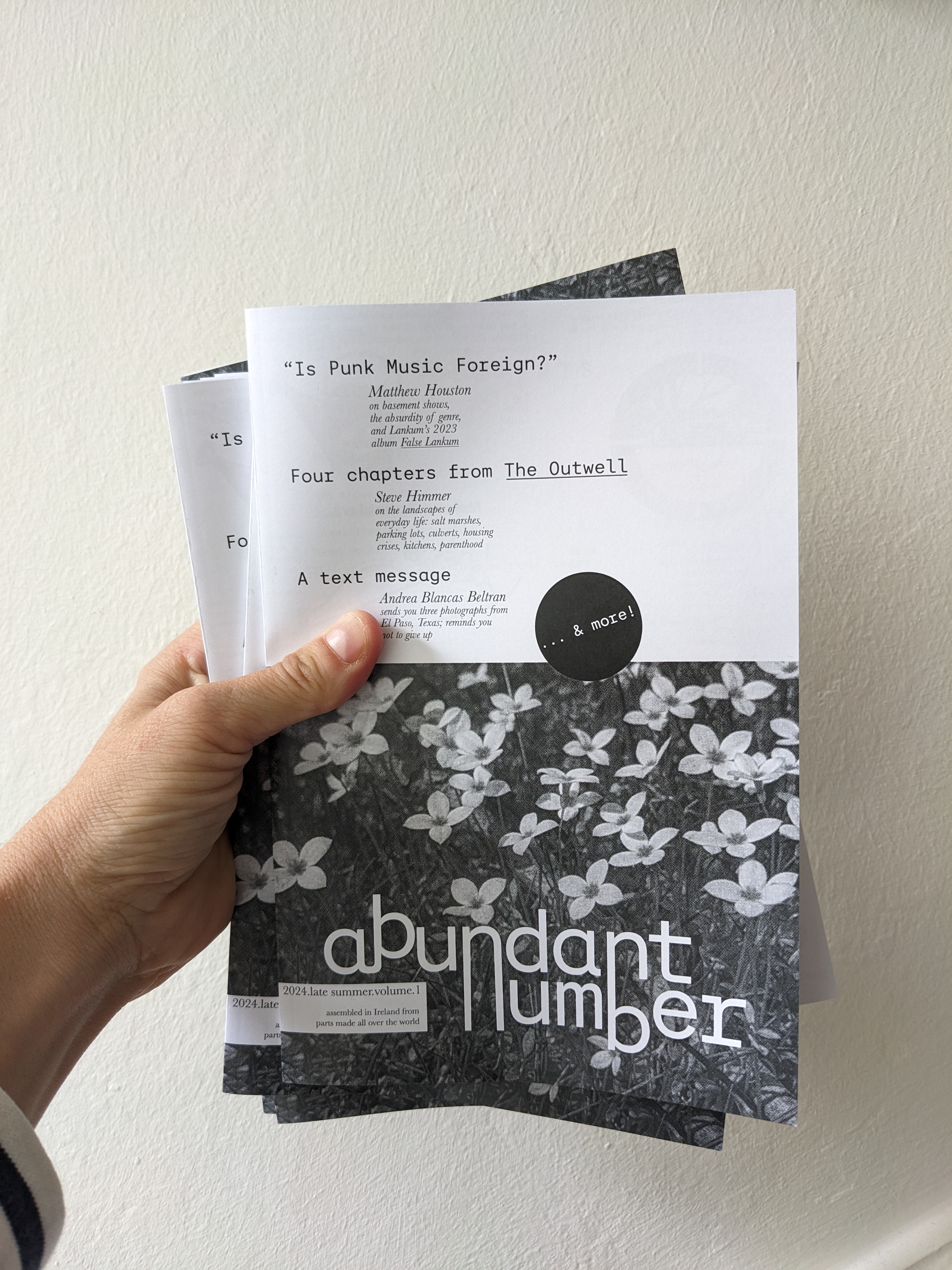
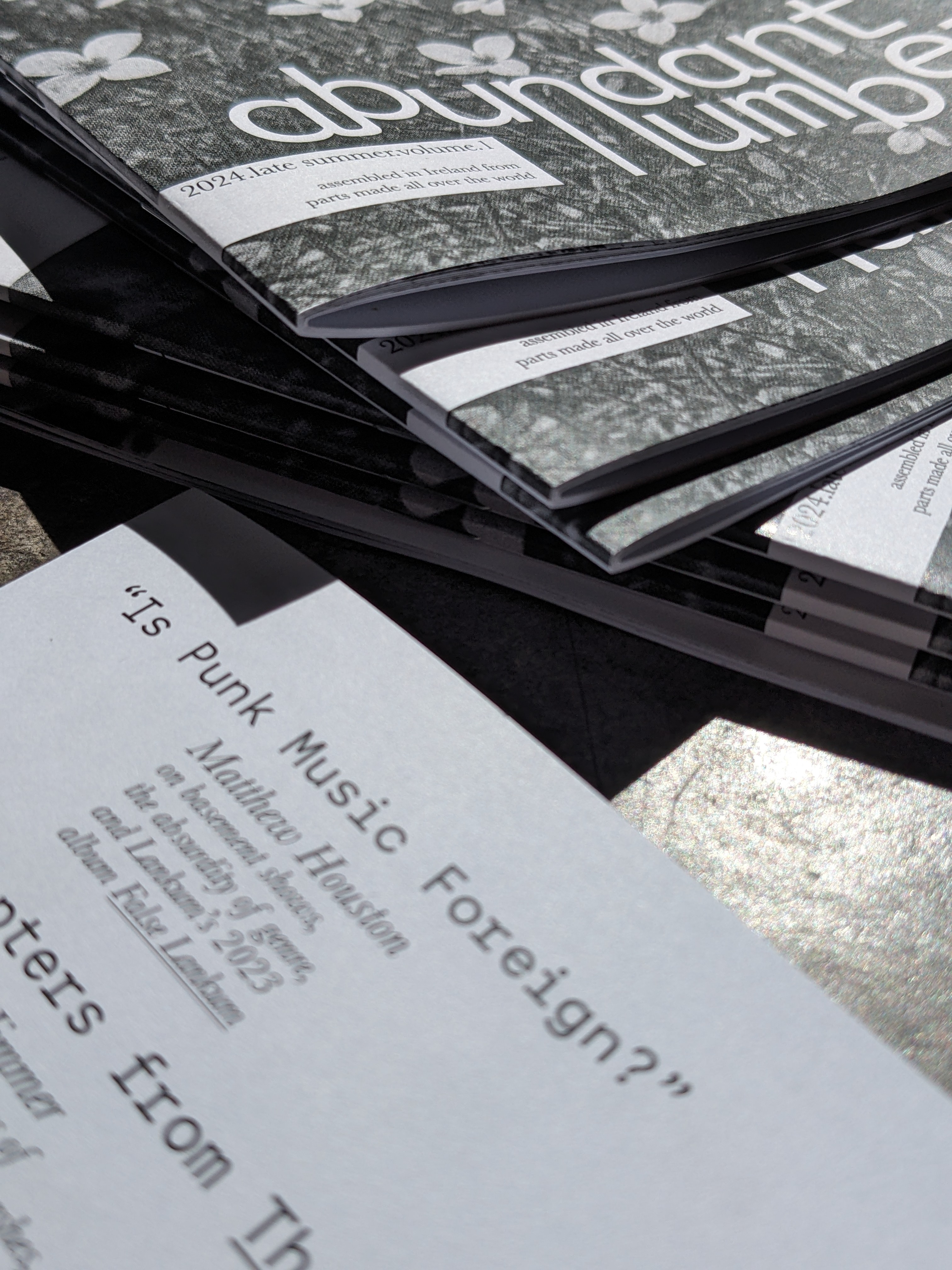
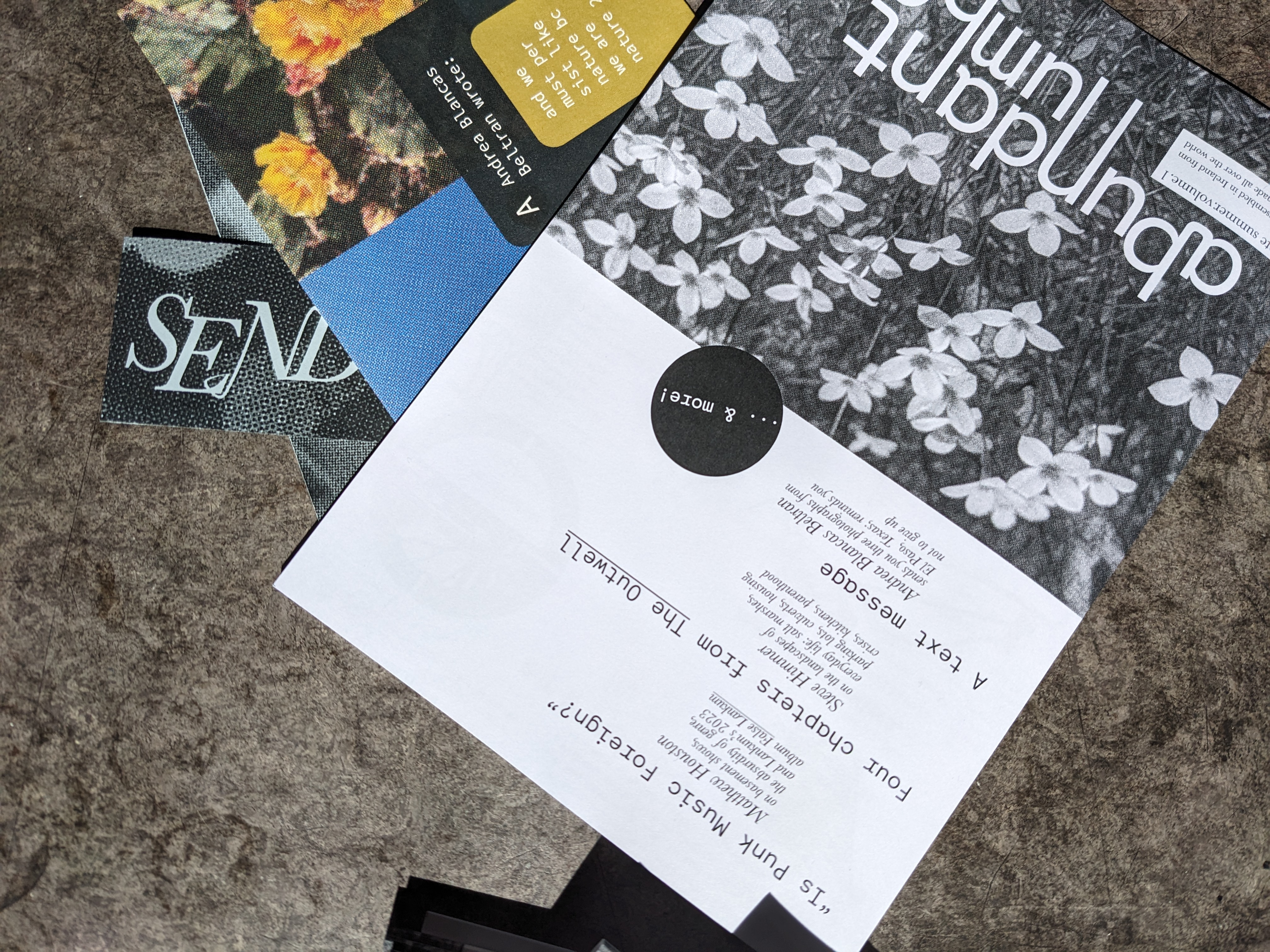
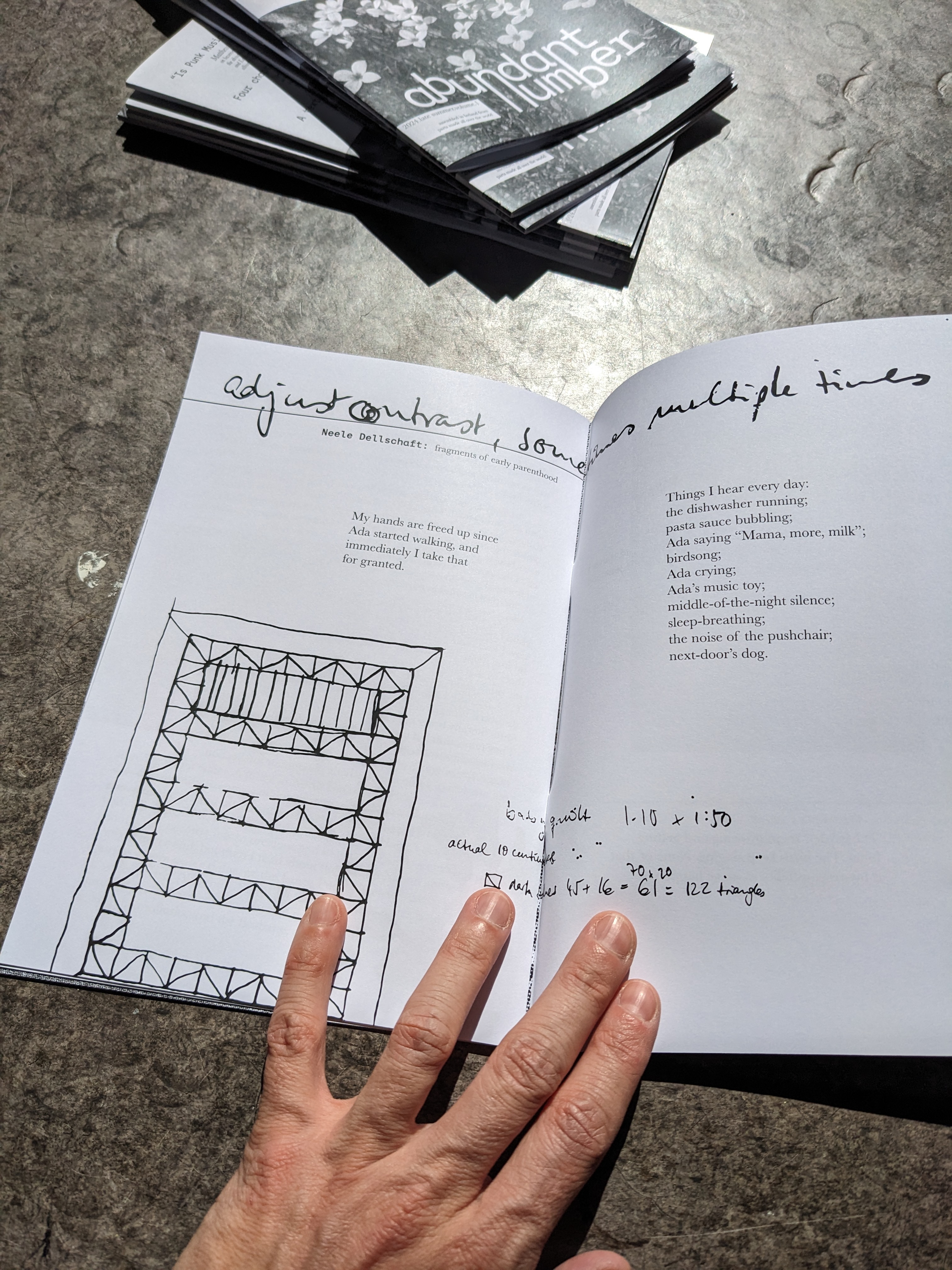
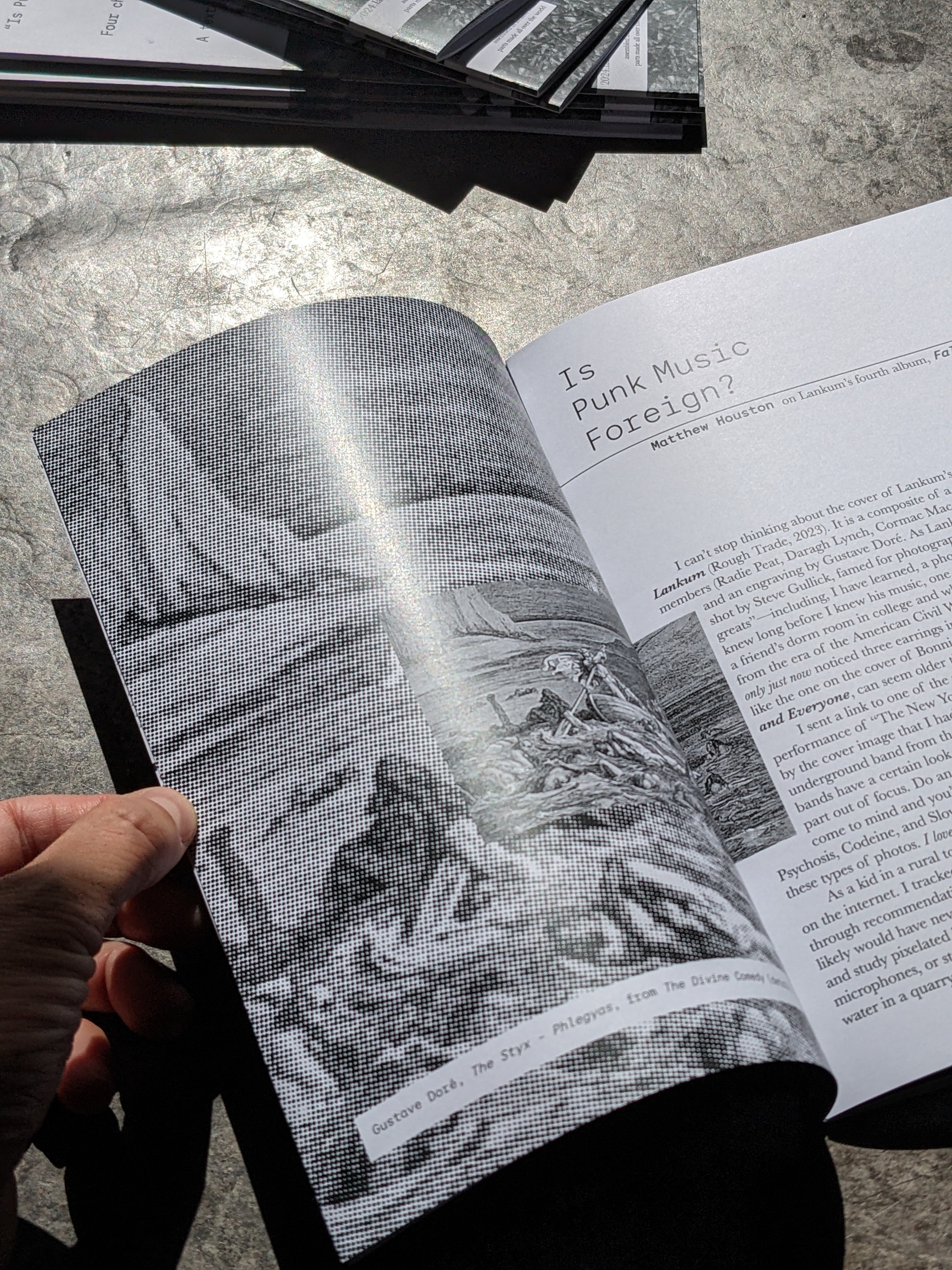
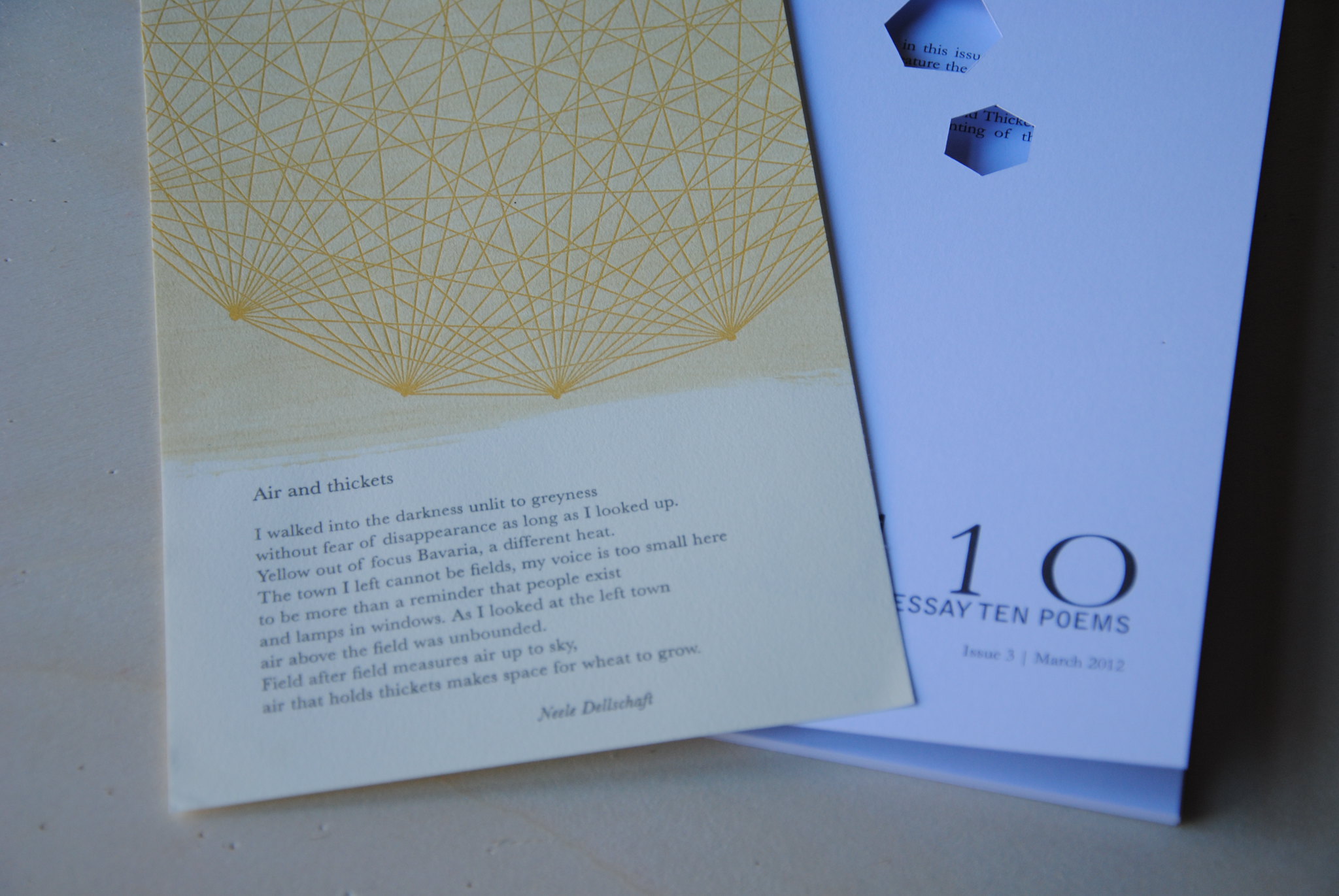
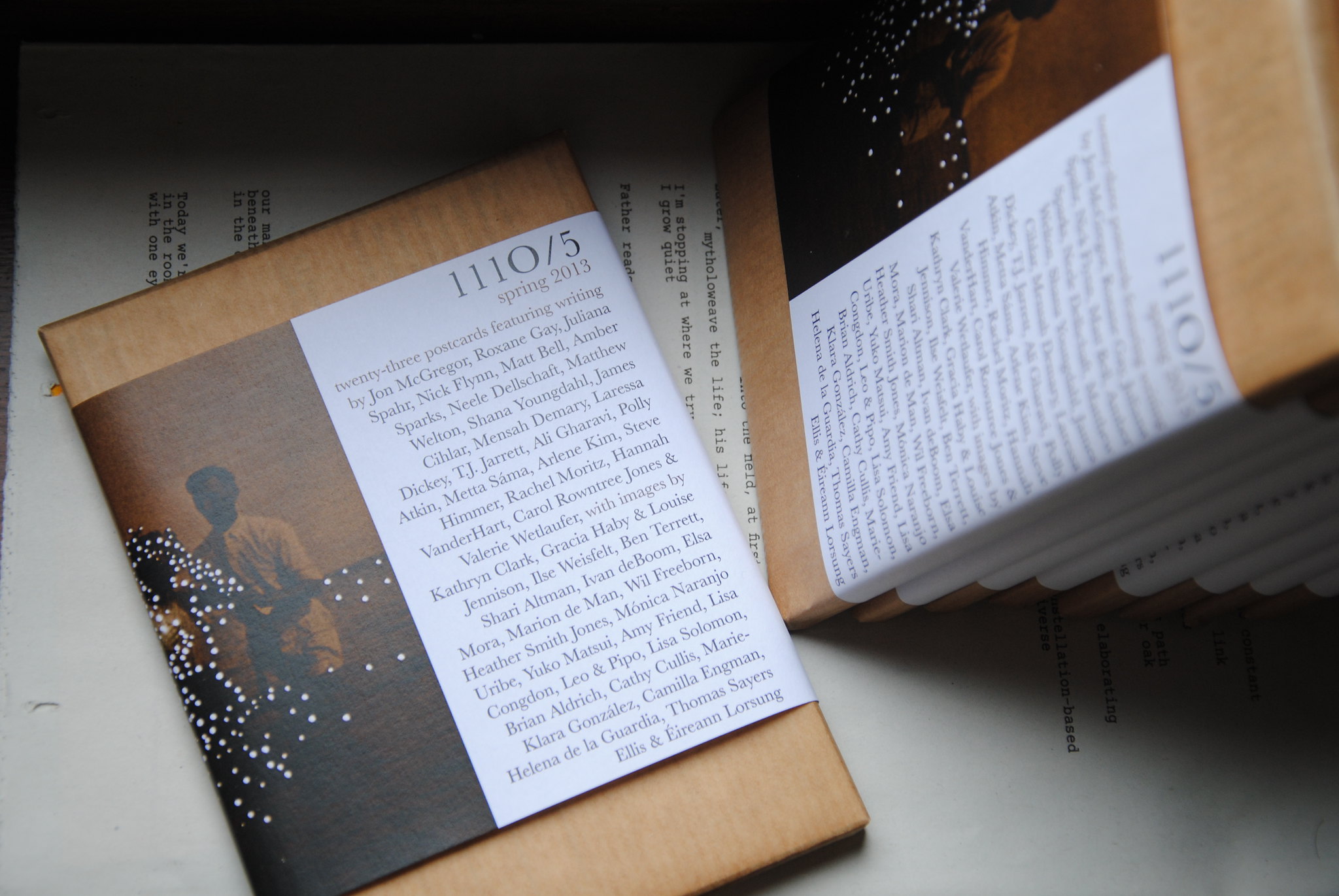
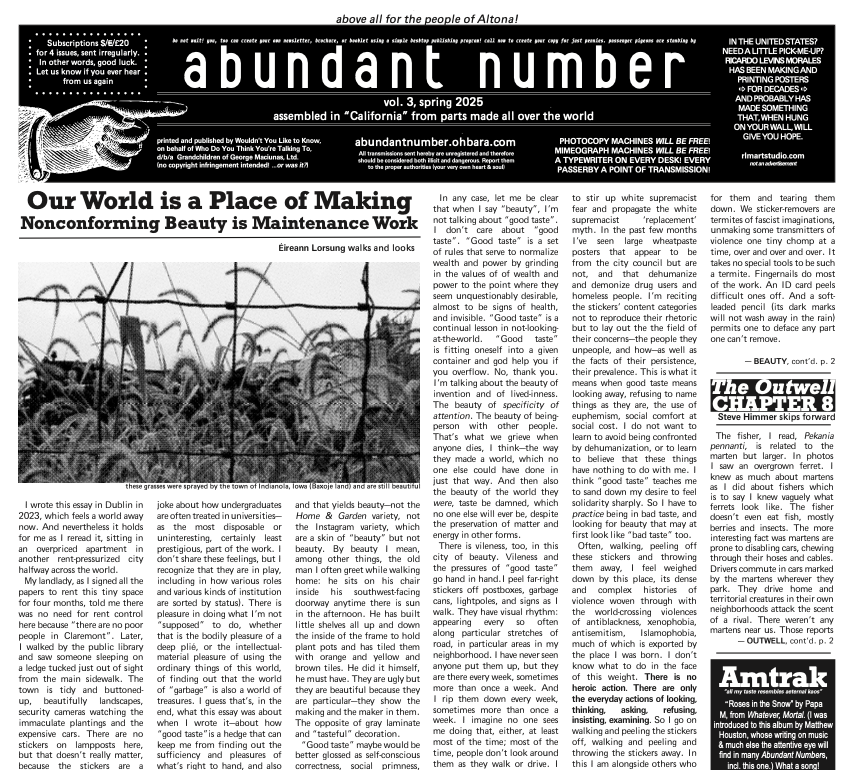
    Essays from 2023-24 are beginning to disappear from this space. Some will appear in Abundant Number, a series of booklets full of slow things. Abundant Number will have a first issue this summer. In AN.1, you will find a couple of walks from me as well as an album review by Matthew Houston, chapters from a novel by Steve Himmer, and a few other pieces of writing. There will be a classified section eventually!

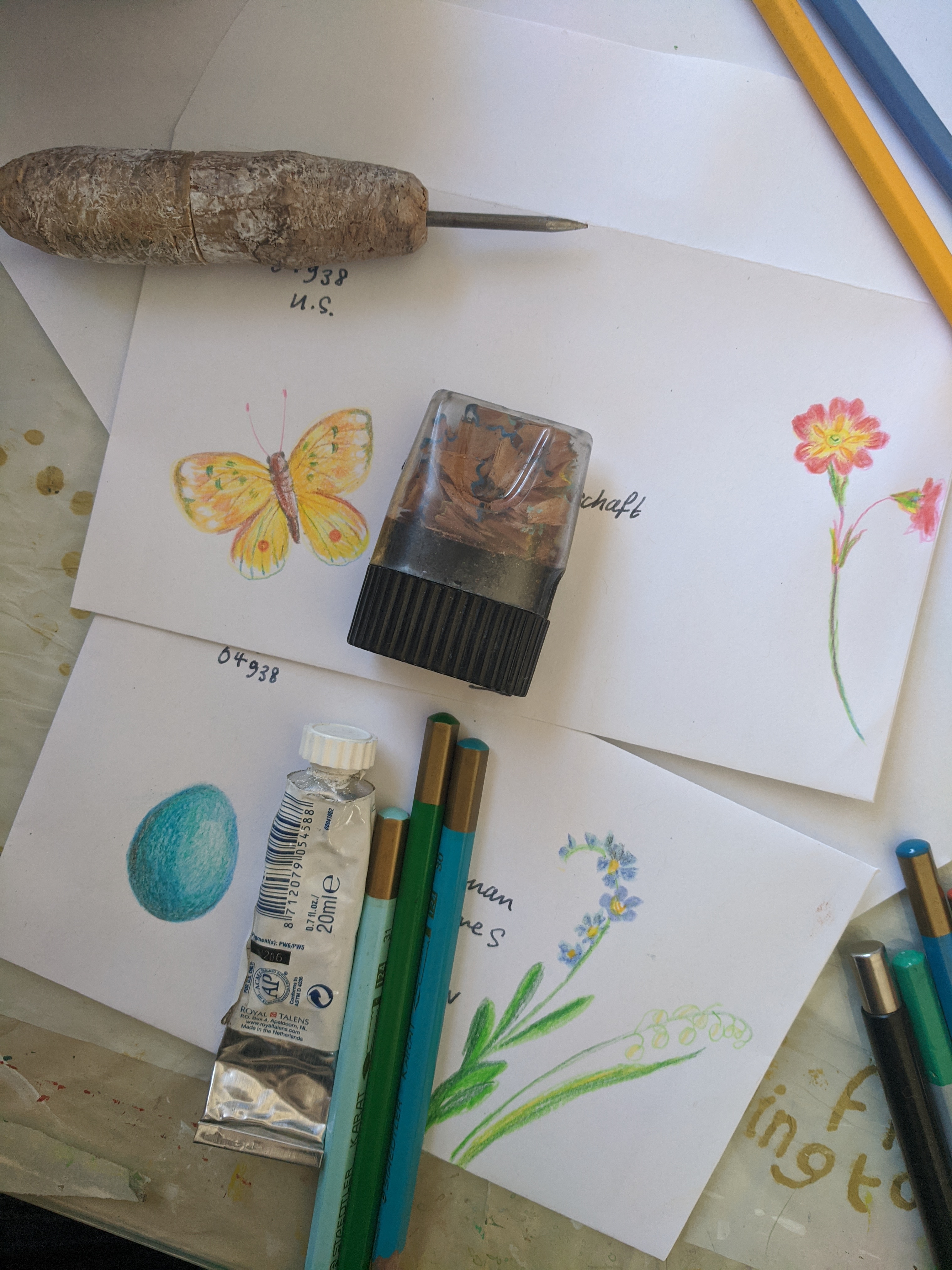
    Inside the first volume of Abundant Number, there will be a postcard that is also a text message. You can send it to a friend, a very delayed SMS. You’ll just need a stamp. Images and text by Andrea Blancas Beltran.

    If you’d like to be notified when you can get ahold of a copy of Abundant Number or about subscribing, you can put some information here.


    More news and more to read here in late July. I hope you’re well. I hope you’re safe and happy, that you’re free and able to do what makes you more alive. I hope that the occupation of Palestine, and the ongoing genocide there, will end. I hope there will be no more wars anywhere. I hope that people everywhere will have safety, and comfort, and companionship, and freedom from fear.

    See you in a month. Thanks for reading!

  • record of a collaboration

    record of a collaboration

    by which I mean, I’ll follow you, you follow me

    Hello everyone—it’s the end of May and this is your May installment of Bewilderment. Some beauty this month: audio recordings of classes in the Naropa University Jack Kerouac School of Disembodied Poetics are in the Internet Archive. In Minneapolis, four years on, George Floyd Square is still there. Something called Feral Atlas: do I understand it? Not completely. Is it cool to look at and around? Yes. Aster of Ceremonies by JJJJJerome Ellis is an exciting expansion of books’ and poetry’s do- and be-ness. Are you an artist (broadly defined) in the Minneapolis/St Paul (MN) area? You can submit your services for listing in the Late Night Copies Press 2024 Artist Directory until June 15.

    If you’ll be in Dublin in June, this should be a good show.


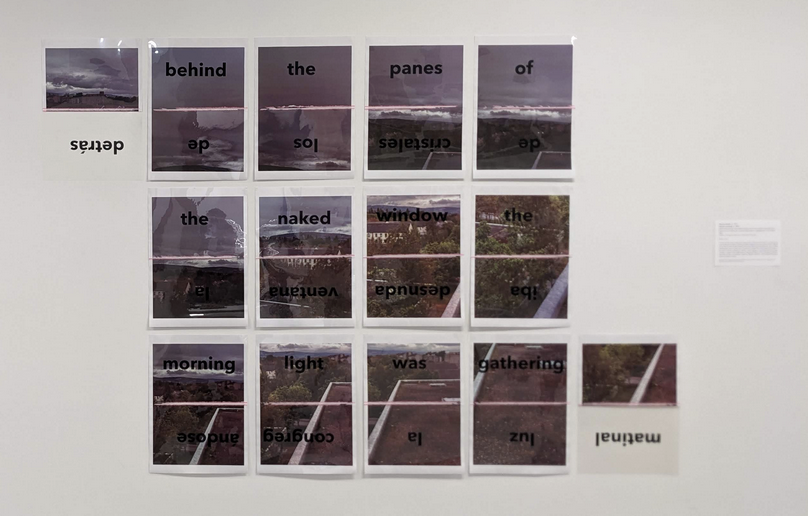
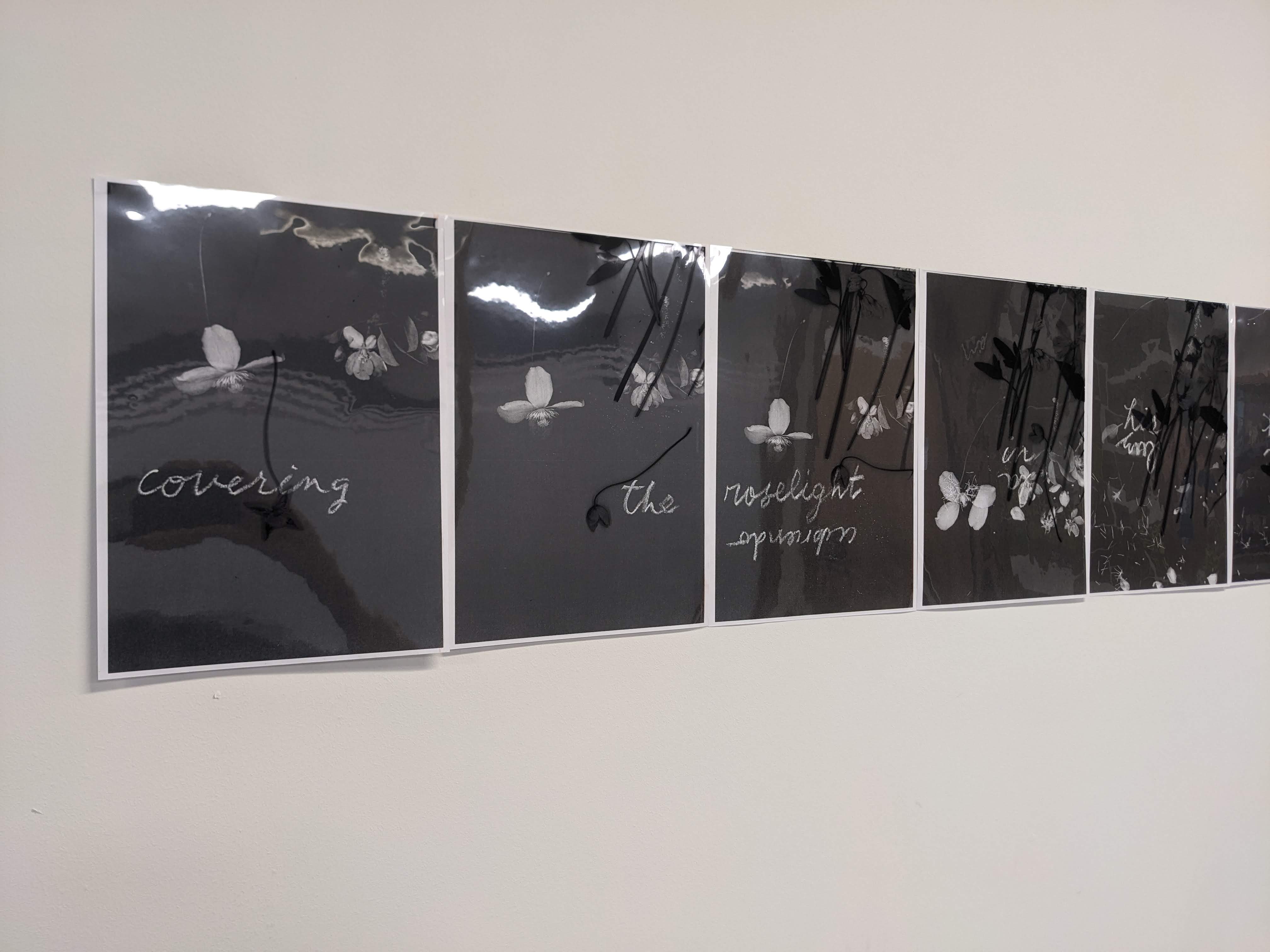
    Nicole Antebi, Éireann Lorsung
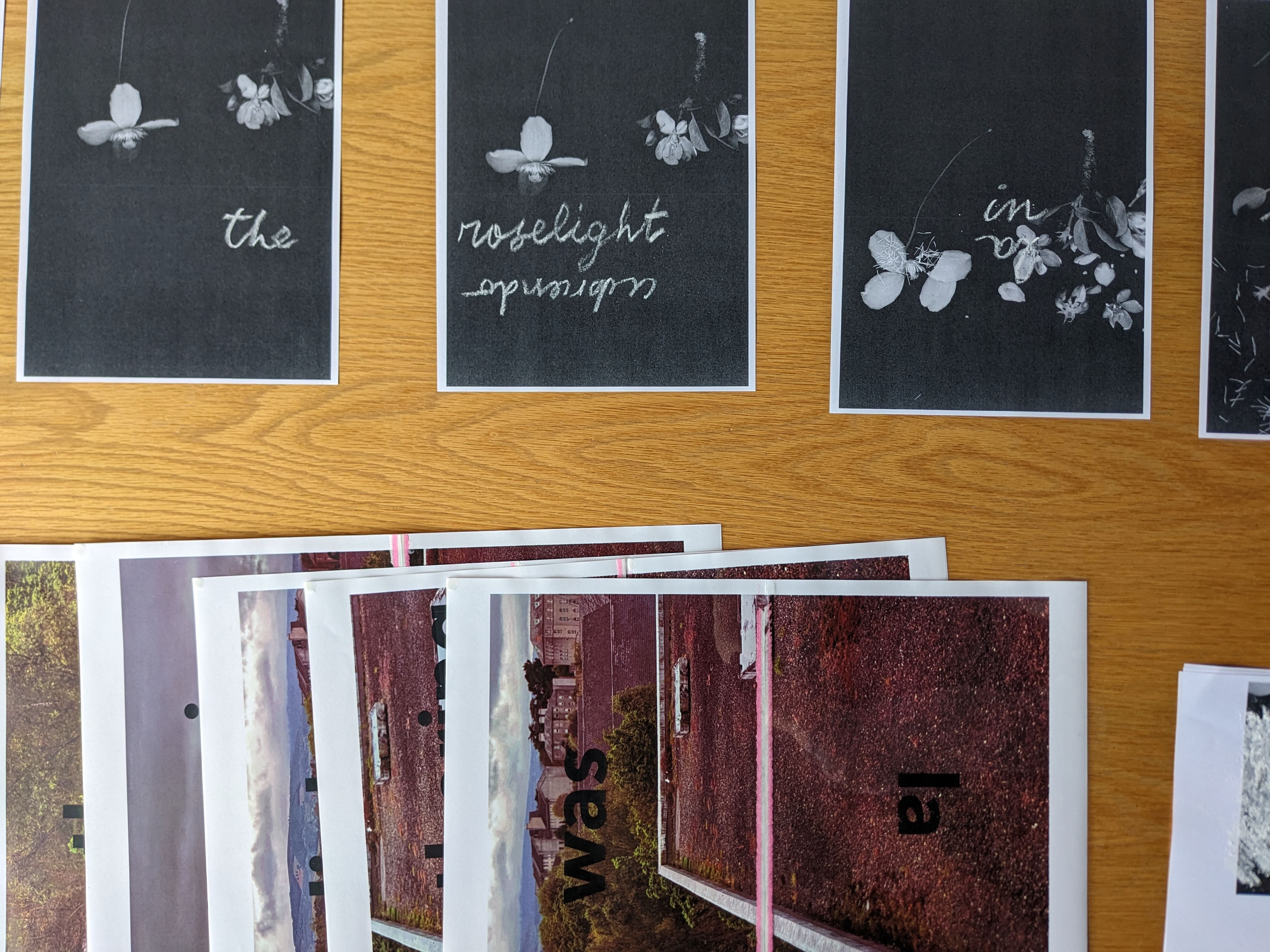
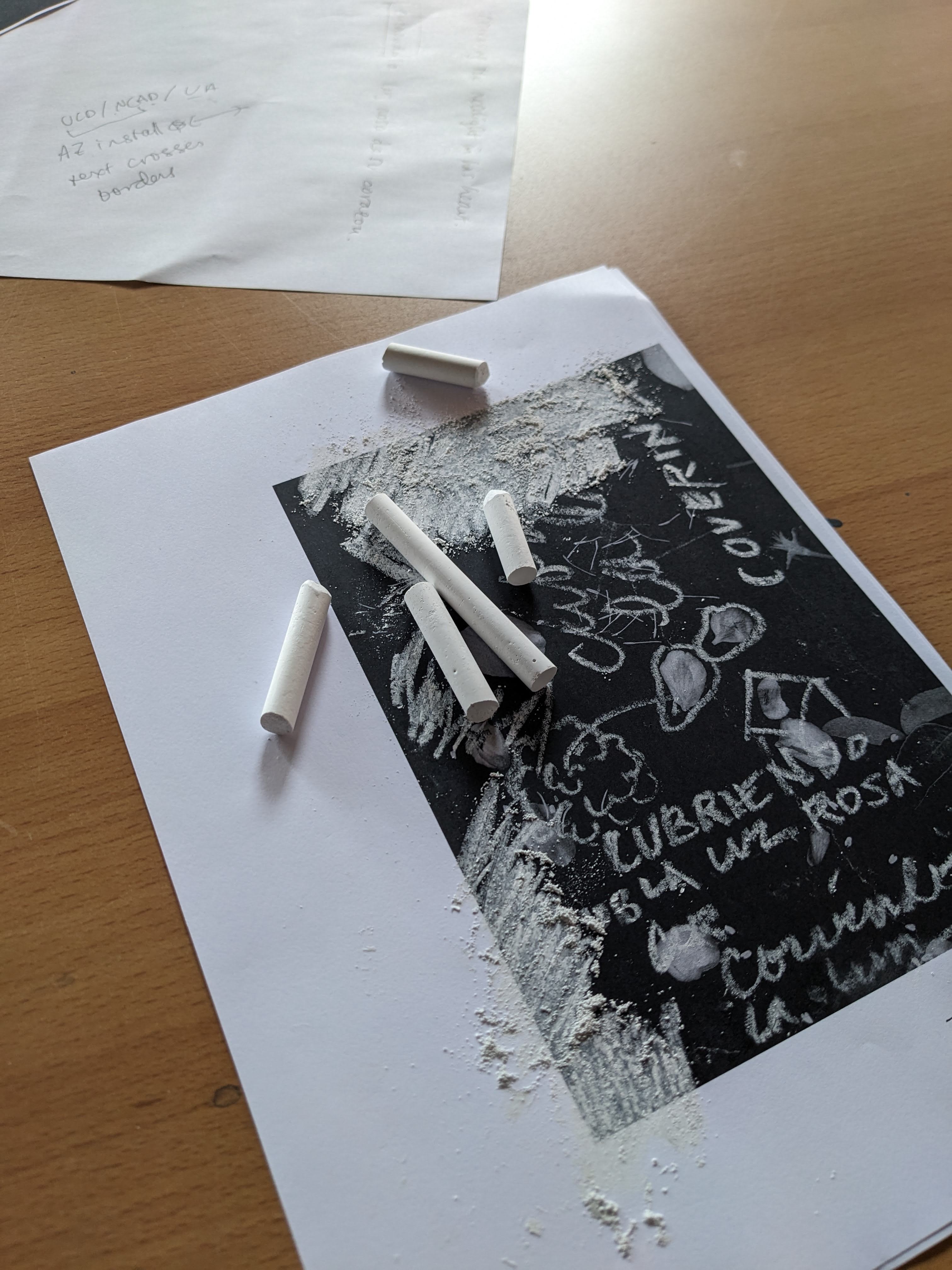
    Covering the roselight in his heart / Cubriendo la luz rosa de su corazón (2024)
    Animation, plant matter, acetate, paper, chalk, text, light, institutional constraints
    Edition of two

    The text of this piece comes from James Joyce’s Portrait of the Artist as a Young Man and its Spanish translation by Pablo Ingberg. Two identical pieces were made, one to be installed in Dublin, Ireland, and the other to be installed in Tucson, Arizona, US, the places where each of us lives. Covering the roselight…/Cubriendo la luz rosa… has as its ground an animation of plant matter gathered in Dublin. The animation was produced using a photocopier. The “lag” of the translation (the English text begins before the Spanish translation, and the translation ends after the original) speaks both to the time involved in translation and the time involved in animation.

    The animator, filmmaker, and artist Nicole Antebi and I made this piece and one other in early May, on a gray day, in the southern part of Dublin, in a university building with a view of mountains in the distance. The text above is what we said about one piece we made together, and it’s true. But what couldn’t we fit on the labels we hung next to the pieces we made and installed?

    We began planning to do something together a long time ago: maybe four years ago? We talked on the phone. We did things in our separate places, responding to one another. We had video chats across a continent. We had video chats across an ocean. We looked at one another’s work. We talked about what it means to make art. We talked about working in universities, both our histories of uncertain and underpaid work in them and our presents of relatively secure and well-paid work in them. We talked about animation and poetry, language, time, and borders. We continued to make the things we make: drawings, animations, poems, movies, things made of language and things made of images. We realized there is a lot of overlap among and across these.

    Nicole Antebi, Éireann Lorsung
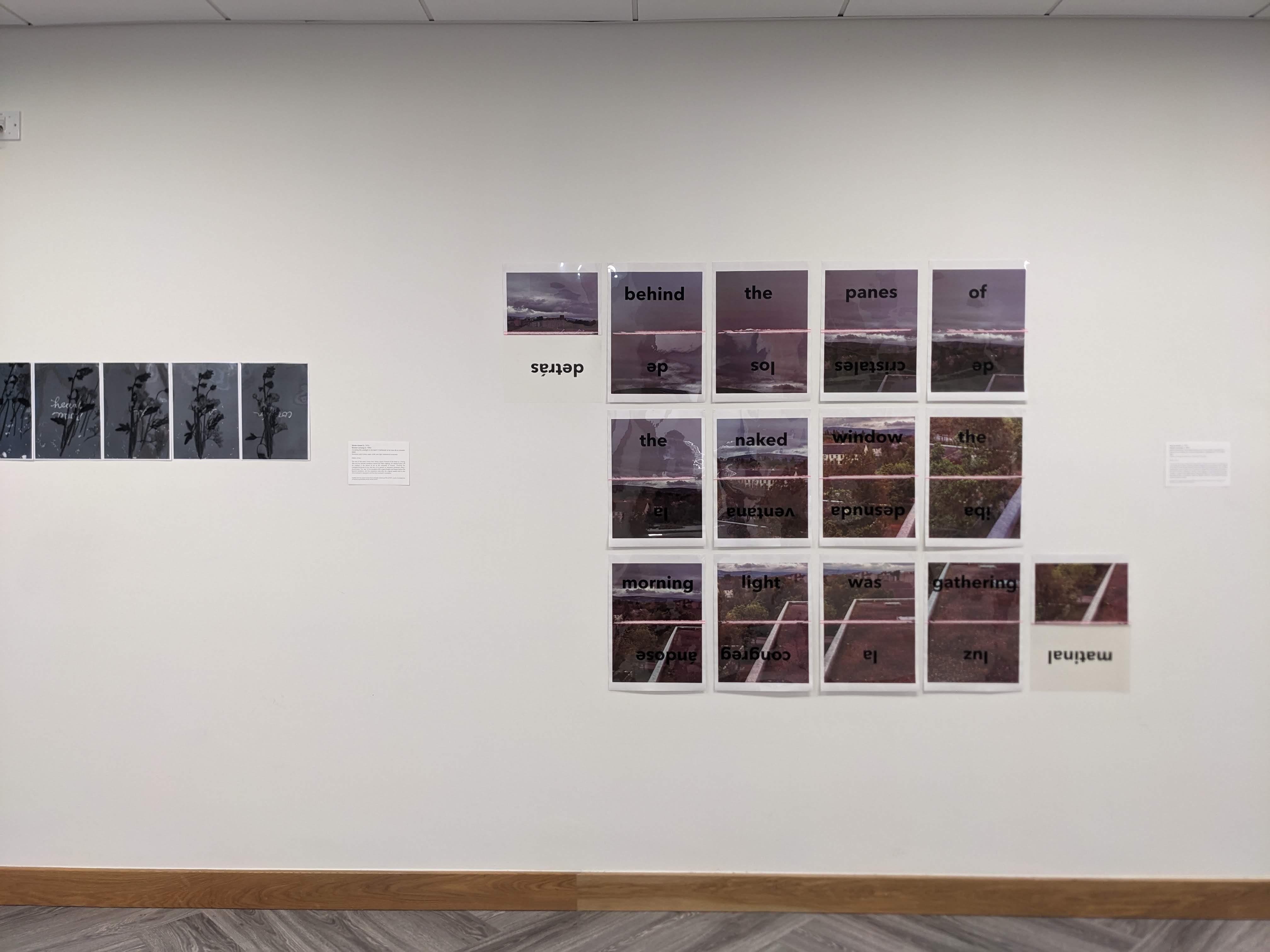
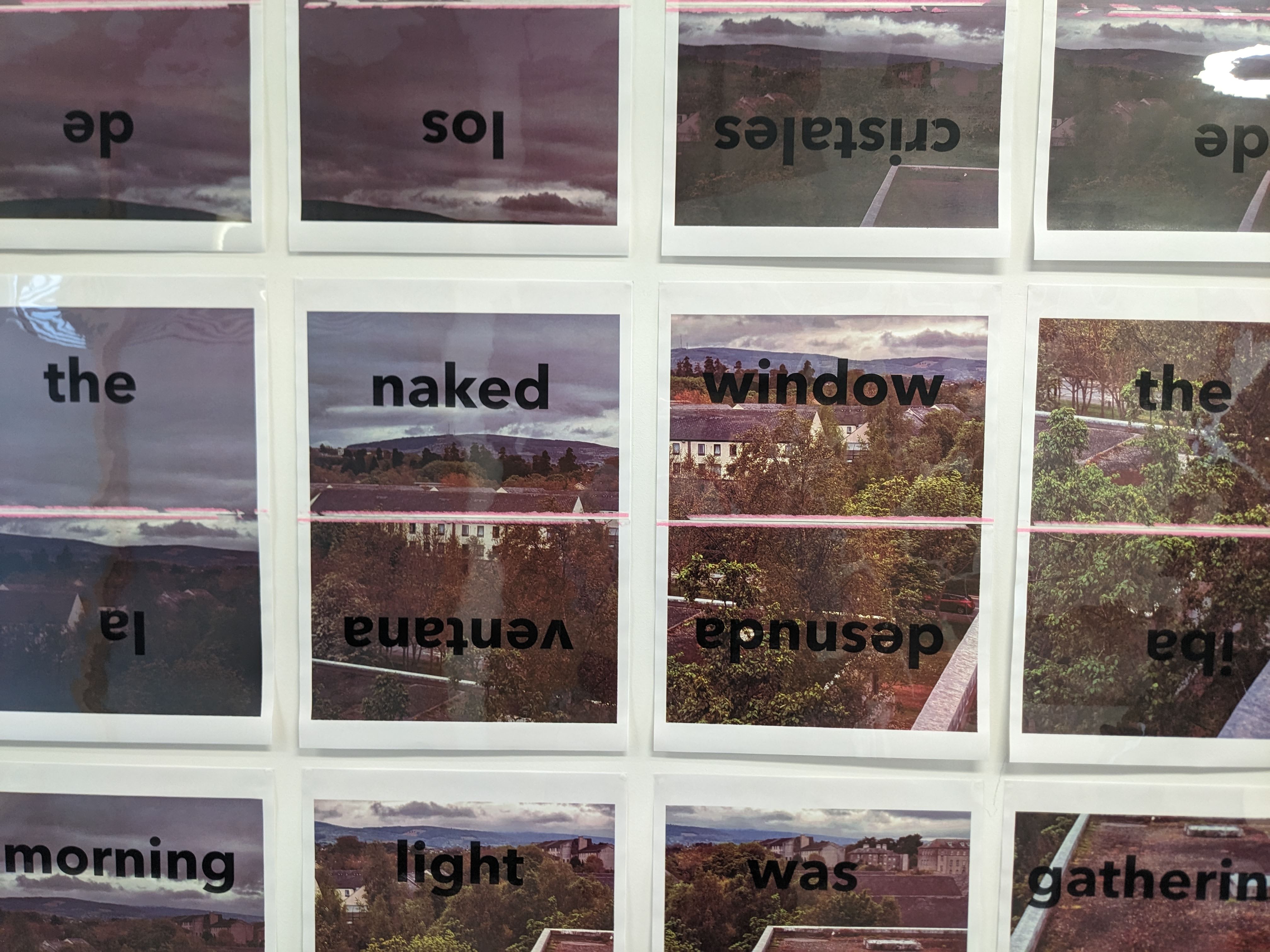
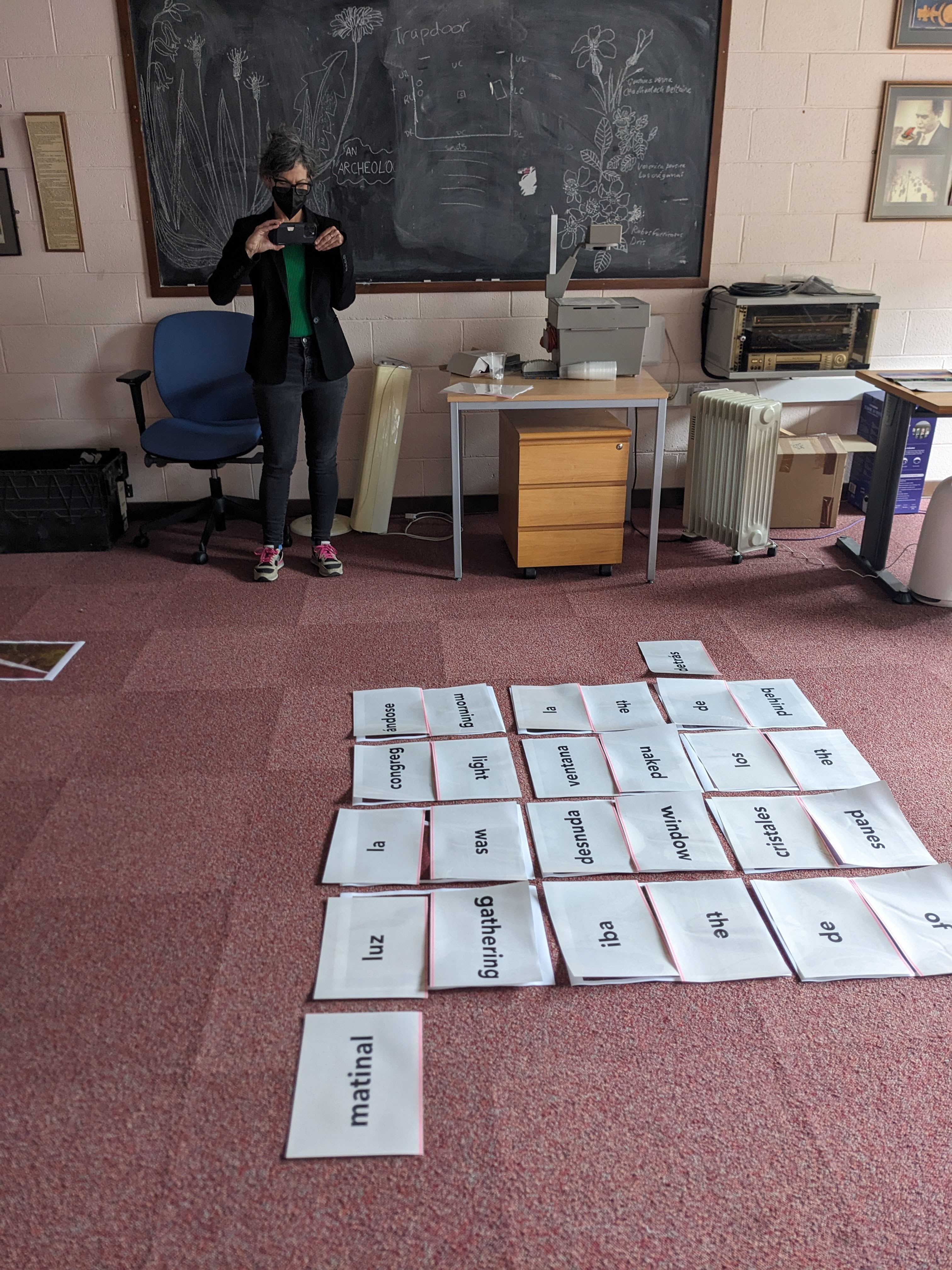
    Behind the panes of the naked window the morning light was gathering / Detrás de los cristales de la ventana desnuda iba congregańdose la luz matinal (2024)
    Acetate, photographs, light, text, institutional constraints
    Edition of two


    (The text of this piece comes from James Joyce’s Portrait of the Artist as a Young Man and the Spanish translation by Pablo Ingberg. Two identical pieces were made, one to be installed in Dublin, Ireland, and the other to be installed in Tucson, Arizona, US, the places where each of us lives. Behind the panes…/Detrás de los cristales… superimposes Joyce’s words and Ingberg’s translation over a view from the upper floor of a university building in Dublin where this piece was made. Here, text crosses the “border” of the image in a way that echoes other “borders” crossed in this collaboration: institutional, international, linguistic, modal [digital/analogue], formal.)

    We didn’t do this alone. From 2020-2022 we were part of a collective of artists and writers who met online to talk about artmaking and writing and helped one another keep our studio practices alive during the early part of the pandemic. Our conversations came from there but didn’t begin there—they began a few years earlier, via social media, where friends of friends connected us to one another. And even our work together on these two in-person improvisations wasn’t possible with just us: Chloe Brenan, an artist and a teacher in Dublin, did the bulk of the institutional work to invite Nicole to come to Dublin to give a workshop, deliver a talk, and install new work. And we worked in the shadow of so many other artists who have in turn felt the shadow of Joyce on them: we worked with Joyce and with his translator Ingberg at the distance of print media and time. We were assisted by the hands of the photocopier technicians whose work we had not seen but we could sense, not to mention those people who had taught us decades before to see the clear acetate of the overhead projector’s transparencies, and those whose labor produced the materials and equipment we used.

    And we were prepared: we had been improvising with students and peers for a long time. We had been making art in the cracks around the demands of our day jobs. We had been working quickly, on borrowed time in between institutions or on weekends. We had been working outside of prestigious institutions, or working on their margins. We had been borrowing JSTOR logins and making photocopies after hours. We had read Fred Moten and Stefano Harvey, who write that “it cannot be denied that the university is a place of refuge, and it cannot be accepted that the university is a place of enlightenment. In the face of these conditions one can only sneak into the university and steal what one can. To abuse its hospitality, to spite its mission, to join its refugee colony, its gypsy encampment, to be in but not of—this is the path of the subversive intellectual in the modern university” (“The University and the Undercommons”). We had been making art despite living in cultures and economies that say what’s the point as well as not for you. We had been practicing seeing our surroundings as already full of the materials of art so that we did not have to overcome a sense of “being without the correct materials” or a sense that “art is only made with art supplies”. We had built up a lot of flexibility, a lot of resilience, a lot of just-start, a lot of let’s-find-out, a lot of what-happens-if, a lot of saying-yes-to-whatever-happens. We weren’t put off by distinctions between high and low materials, high and low processes, or high and low ways of installing work. We were like gymnasts who, having practiced since childhood, can completely trust their hands and arms, feet and legs to catch them: and so barrel forward toward the spring, which appears to come from nowhere.

    So when we walked into a room one Saturday in early May and said to ourselves, let’s make something, we were neither alone, nor were we beginning from zero.

    We worked very steadily for about eight hours, with no plan in advance except to use some part of Joyce’s Portrait and Ingberg’s translation as the basis for our collaboration. We began by making things that were “not going to be the work”—an animation on the photocopier—and then we realized that the images there recalled the “roselight” of the passage we had chosen. What material could make marks on the dark surface of the prints? Oh: chalk. A piece was readily available. We tested it: yes, it will write on the toner. Capital letters? Cursive letters? We made decisions rapidly and assuredly, without thinking too much. Let’s see what happens. We passed the pages from one hand to the next, transcribing Joyce in English (me) and Ingberg’s Spanish translation (Nicole). The decision to invert the pages for the translation and to allow the “lag” happened in a split second. Shall we? Yes, let’s. The acetate with its second animation came much later, after we had tried out the acetates over the large photographs. Again, shall we? and yes, let’s. Using “low” materials—photocopiers, printer paper—freed us to play. Nothing is beneath notice and nothing is beneath us as material. If an idea didn’t work, we would try it a different way: move things around, change plans, cut, copy, paste. We could say yes to whatever happened, because it was all unforeseen and the stakes felt low. Something would happen. That was for sure. And it did. We did it together.

    Art is play and practice. Housemaking is play and practice. Literature is play and practice. Relation is play and practice. All of this is attentive, demanding play built on lifetimes of practice. And the practice isn’t just art school, though if you happen to have gone that’s a special kind of intensive practice in certain areas. The practice is life itself: it’s walking while looking around, feeling the rhythm of your gait and noticing the world around you. It’s improvising in the kitchen with the last of the groceries. It’s having siblings and parents who want different things than you do, and finding ways to live together. It’s your secret play in childhood where a few ordinary objects became magical. It’s the human work of imaginative extension toward one another and toward the world. What artists do in practice is take the imagination we are all endowed with, and bring it into relation with the histories of forms (narrative, visual, conceptual, poetic, social…) and formal meanings, with the conventions and histories of usage, and with other patterns of meaning that establish the fields in which we think. But it’s not so different than what we all do in practice, every day.

    Start where we are. Work with what we have. Not least of all one another.


    Essays from 2023-24 are beginning to disappear from this space. Some will appear in Abundant Number, a series of booklets full of slow things. Abundant Number will have a first issue this summer. In AN.1, you will find a couple of walks from me as well as an album review by Matthew Houston, chapters from a novel by Steve Himmer, and a few other pieces of writing TBD.

    Inside the first volume of Abundant Number, there will be a postcard that is also a text message. You can send it to a friend, a very delayed SMS. You’ll just need a stamp. Images and text by Andrea Blancas Beltran.

    If you’d like to be notified when you can get ahold of a copy of Abundant Number or about subscribing, you can put some information here.


    More news and more to read here in late June. I hope you’re well. I hope you’re safe and happy, that you’re free and able to do what makes you more alive. I hope that the occupation of Palestine, and the ongoing genocide there, will end. I hope that people everywhere will have safety, and comfort, and companionship, and freedom from fear.

    See you in a month. Thanks for reading!

  • making a living

    making a living

    at the scale and pace of everyday life

    Hello everyone—it’s the end of April and this is your April installment of Bewilderment. Some beauty this month: the Emory students’ statement in response to the university’s accusations around “outside agitators” in the students’ encampment. Shannon Mattern’s essay “Fugitive Libraries”, at Places. Katherine Wirick’s No One Is Safe. Gerard Manley Hopkins’ exultant poem “Spring” with its perfect observations of weeds and pear leaves and thrushes’ eggs.

    Looking ahead, if you’ll be in Dublin in June, this should be a good show.


    Let’s make a picture we would like to have on the wall of our house. Let’s make that wall itself. Let’s figure out how to cut lumber, let’s figure out plaster and limewash and paint. Let’s find a chair in a Dumpster and sew a patchwork cover for the seat. Let’s sit on that chair in the room we made, by the window. Let’s sew a curtain for the window. Let’s figure out how to warp a loom. Let’s spin some thread. Let’s keep a garden: let’s plant the things we like to eat in there (tomatoes, lettuces and radicchio, eggplants, zucchini, fruit trees and -bushes). Let’s grow some indigo from seed, ferment it, make it into dye.

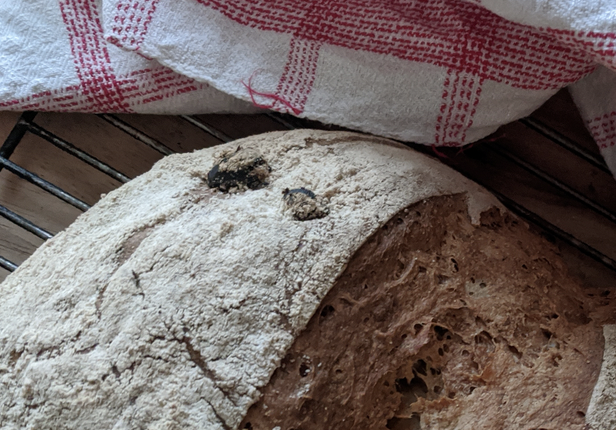
    Let’s make a little pile of things we don’t need anymore and put them by the front gate/the curb/the driveway in the alley for someone else to grab. Let’s make a loaf of bread: some flour, some water, some yeast, some salt. Let’s iron the tablecloth someone found in a thrift shop. Let’s write a book. Let’s print that book on the photocopier after work, let’s fold the pages. Let’s glue them into a spine we’ve cut from paper we like. Let’s make a couple more copies; let’s send them to our friends. Let’s shovel snow from off the steps, and then the walk, and then the neighbor’s snow. Let’s make a drawing in a notebook that we made. Let’s make a few more blank notebooks like that to give away. Let’s go outside. Let’s take a walk.

    Let’s steal two stems of lilac—two is enough—from a neighborhood tree weighed down with blooms. Let’s put them in a jar taken out of the recycling bin when we get home. Let’s play a song while we do the dishes, let’s cut an old potato into a stamp and stamp it on some sheets. Let’s fold those, make them into cards. Let’s send those cards out to our friends as well. Let’s paint the floor. Let’s wash the windows. Let’s remember that a simple song is every bit a song.

    Let’s hang the bedsheets out to dry. Let’s make the bed. Let’s make a quilt. Let’s have a clothing swap with friends. Let’s bake a cake from whatever’s left in the cupboard. Let’s bike down to the library, let’s take a dip in the lake in the afternoon. Let’s make another meal, light candles, set the places out. Let’s write a letter, let’s say hello to the woman at the post office counter who recognizes us. Let’s write a poem, let’s make another book. Let’s take a photo of the sky and text it to a friend. Let’s make another picture for the other wall, let’s go to bed. Let’s do the work that makes our lives our own. Let’s do it at a pace that lets us live together—enough for each of us to do, no more than what we need. Let’s make the beauty that we want to see. And every tomorrow we get, let’s all together do all of it again.

    All year long I was writing about looking and walking, making and being. And I’ve been thinking about the art I like most, which is the kind we make for ourselves, as an enactment of the beauty we want in our lives, that says our lives. And I’ve been reading books and writing books, talking with people inside and outside of classrooms about making books and art, and about living and walking, looking and making, being and how to be together. I’ve been thinking about the pace of that, the scale of that: how little I feel I need when I am making the life that really makes me feel whole, together with others. Usually I can use what’s around me, and I can occupy my entire day with the imaginative work of house-making and art-making, teaching, walking, looking. It’s a pace of sufficiency. Making. Being. To the scale of our lives.

    That’s what we do. Or what we are supposed to do, I think. Make things. Be together.

    No surprise, that’s what I want to do, too. It’s really all I want to do. Make things to a human scale. Be with you. So: no waiting. Not all the details are clear yet, but here’s what I know:

    • The next thing will be called Abundant Number, and will be a series of books, or booklets, really, full of slow things—broadly understood to mean things that are slow to read or write or make, slow moving, durational, full of white space, packed with lines of closely set text, going at the speed of a pedestrian, belated, late, out-of-date, among many other possibilities—will have a first issue this summer. In AN.1, you will find a couple of walks from me as well as an album review by Matthew Houston, chapters from a novel by Steve Himmer, and a few other pieces of writing TBD.

    • Inside each issue of Abundant Number, there will be a postcard that is also a kind of text message. You can send it to a friend, a very delayed SMS. You’ll just need a stamp. AN.1 will contain a postcard with images and text by Andrea Blancas Beltran.

    Some answers, many surely not satisfactory, to your practical questions:

    • Will Abundant Number be in print or online? Abundant Number will be in print only. Some pieces you’ll see there have appeared on Bewilderment (and will disappear from the internet). Others will be new and in print only.

    • Where will I be able to find information about Abundant Number? Here, at first, and soon also on my website.

    • Will I be able to order a copy of an issue of Abundant Number? You will. When? I hope the first issue will be ready in late summer.

    • I work in a bookshop or other retail establishment. Will we be able to carry Abundant Number? I think so. Please fill out this form if you’d like to be on my list of people to contact when that becomes possible.

    • How much will AN cost? Not much, including worldwide shipping.

    • How often will AN appear? I hope twice a year. It may be more often. It may be less often. It probably won’t be entirely regular.

    • Will I be able to subscribe? Yes, probably for something like four subsequent books/booklets at a time. If you want to register interest, you can drop your details into this form.

    • I make slow things, or I want to review a book, album, or other object/event that is more than one year old. Can I send you something? Not yet, but eventually. I hope to open for unsolicited work a couple of times a year. One exception: if you and I have a previously existing writerly relationship—inside of the classroom or out, including via significant exchanges online—you can feel free to get in touch directly.

    • Will published work pay? No: I’ll be able to send you copies of AN, but nothing your landlord will accept as rent payment.


    More news (about the new location for Bewilderment, about Abundant Number, about the things of the world) and more to read here in late May. I hope you’re well. I hope you’re safe and happy, that you’re free and able to do what makes you more alive. I hope that the occupation of Palestine, and the ongoing genocide there, will end. I hope that people everywhere will have safety, and comfort, and companionship, and freedom from fear.

    See you in a month. Thanks for reading!

  • the end (and then?)

    the end (and then?)

    reflections and directions

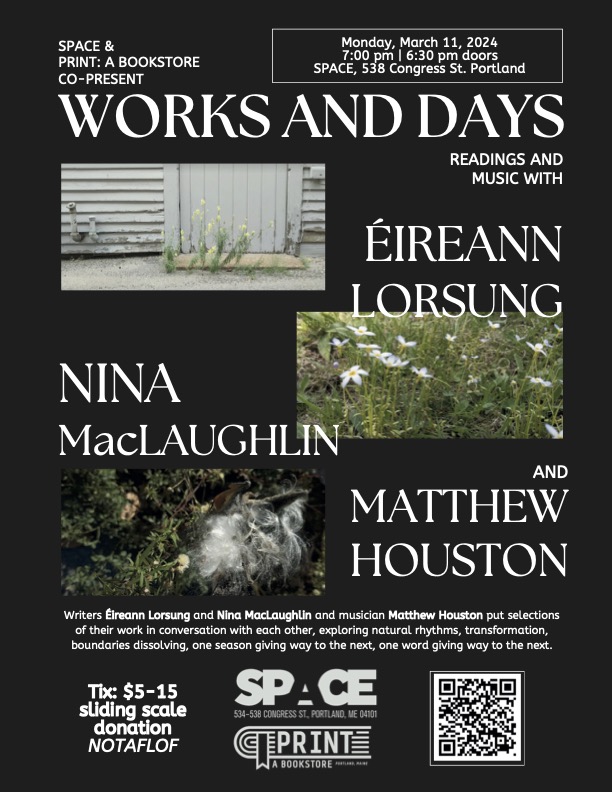
    Upcoming performance: If you will be in Portland, Maine, on March 11, maybe you’d like to come to WORKS AND DAYS, a collaboration about small things, time, seasons, process, repetition, and improvisation between Nina MacLaughlin, Matthew Houston, and me. Sliding scale at the door.


    So here we are, reader: you and I, in the little room of the word.

    Just over a year ago I set out to write an essay a week and put those essays in a public place (here)—a challenge to my tendency to squirrel things I write away, then wonder why no one knows I’ve written them, and a challenge to the part of me that resists a deadline. I set out to think for a year, loosely, about an essay called “Bewilderment” that has stuck with me since I was first given it, in a creative writing class in my last year of college, by my teacher Ray González. I set out to make a place for myself, for saying and for seeing—for looking at and thinking about what I think matters, why I think those things matter, what it means that they do, and how I work those questions out. I set out to make a record of the walks I take and of the other repetitive processes (teaching, housework, writing, artmaking) that fill my days.

    I have done what I said I would. And now I am done. The weekly pace has been exhilarating. It has also been exhausting. I have a list of ideas that I’ve kept and there are many more ideas than there have been weeks, but the need for pause is calling. For the most part I have been able to manage the writing tempo with enjoyment (in part by storing up drafts in less busy weeks that I have developed in more busy weeks); it was only at the very end, in the last month, when other pressures impinged, that it began to feel like work. That means I have truly found the end of this phase of making and writing. The form is complete.

    What have I found in this form and these weeks? I have found that I do think seriously and centrally about teaching; that I think of teaching as a creative act in itself; that I think of students as collaborators; that I think of my own teachers nearly every day. I have found that I like to think about paintings and other works of art, and I also like to think about the objects and views of my everyday life (as art). That I like to read and I like to be read. That I can’t separate my politics from my aesthetics; not that I thought I could. That “the world is charged with the grandeur of God” (however that last word is to be understood) feels about right to me. That doing anything over and over for a long duration will teach me in ways I can’t anticipate, and will yield interest and meaning. That, in other words, the process is the thing. Amen.

    I have also found that, more and more, I want to limit my attention. I want to use my energy to make a few things really well, in a few carefully defined regions. I want to know more about those regions and their adjacent areas. I want to read more in the coming year. I want to read carefully. I want to read in ways that allow me to just be reading—not also looking at lights on a screen, not navigating among tabs. I have found a new appreciation for literary journals, reviews, and magazines as well as for long-form interviews, really well-made podcasts, and books that show me the writer’s mind at work. I like the limits of the page and the book form. The apparent endlessness of the internet, which can be so immediately alluring, these days feels overwhelming to me. I want to spend my time in the lands of finitude. I want to work in the realm of material objects. I’d like to learn anew what I used to know, which is how to find things in three-dimensional space; how to live at the pace of the postal service; how to read and write criticism and formulate an understanding of a corner of a field.

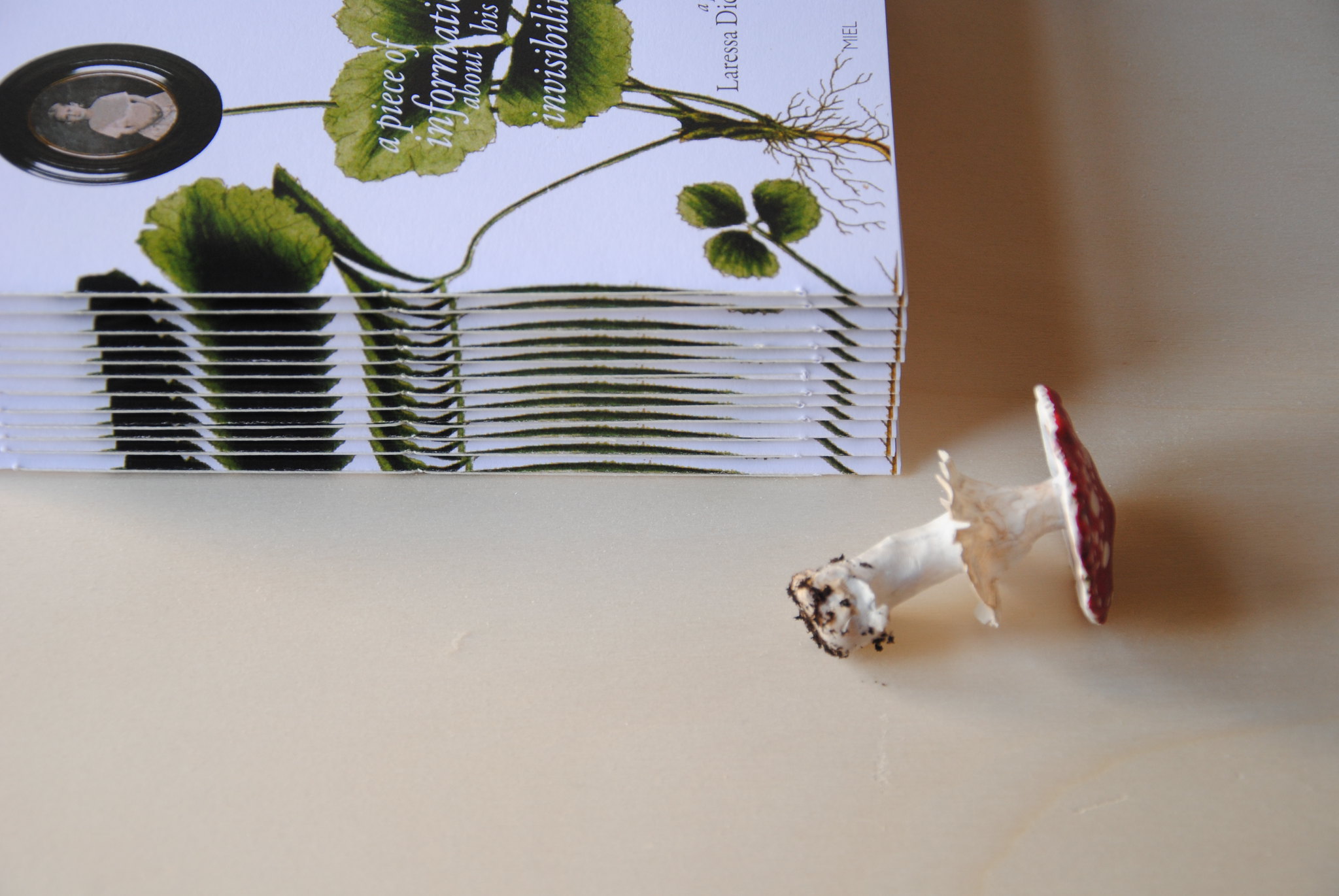
    So this brings me to the ‘directions’ part of this week’s Bewilderment: where to next? Well, to objects: to things that can be help in the hand, read, looked at, and passed along to someone else. Things that, once the requirements of production have been satisfied, stop using electricity and water. Things that incorporate their own finitude. I’m thinking about Corita Kent’s “Irregular Bulletins”, about photocopied zines and newsletters, about chapbooks, about band flyers hanging in the doorway of the co-op or record store, about notes and notebooks, letters, postcards, and the pleasure of handling paper. And I’m thinking about the magazine and books I made, with a bunch of you, for about seven years. (MIEL is still on hiatus, because the books are still in an attic in Flanders. And I do still hope to get them back.)

    So, in any case, reader, that’s what’s next. I’m going to make some books, and some magazines, and some of what I make will appear here (or, really, will appear in a twinned location, a place I plan to move Bewilderment to in a month or so), but most of it will appear in your real, live, postal mailbox, if you sign up for it. (Sign up how? Information to come in May or June.) The first installment will contain a number of the walking essays from this year of Bewilderment, and I hope it will be ready in the middle of summer. The second installment, if all goes well, will be on writing and teaching, and I hope to have it ready in September. What will follow? Space for other writers (information about how to get involved yourself will also come in May or June) and for more b/Bewilderment.

    The two ends of time are always touching, past and future. They often touch inside the pages of a book. There we go. Thanks for being here. Hope you’ll come along.

    To keep up what’s coming next with Bewilderment, you don’t have to do anything. Once things are migrated to the new site (information about the planned move is halfway down this post), if all goes well you’ll receive emails just as you do now when a post goes up. And you’ll hear from me via these channels about how to get a copy of Bewilderment on paper sent to your mailbox. This marks the end of my weekly essays here, and the beginning of the evaporation of the archive. I’ll be back in early April, mid-May, and mid-June with an essay and some news.

    Thanks again for reading my work over the past year. And as always:
    Comfort for everyone, and safety, and beauty, and belonging.
    And freedom from occupation, and from fear, everywhere.
    And shared, active liberation, to make a world where we all are free.
    And peace of the positive kind, that is the presence of justice.
    Swords into ploughshares.
    Free Palestine.
  • [while washing the dishes]

    [while washing the dishes]

    turning toward the morning

    Upcoming performance: If you will be in Portland, Maine, on March 11, maybe you’d like to come to WORKS AND DAYS, a collaboration between Nina MacLaughlin, Matthew Houston, and me. Sliding scale at the door.


    When I was in high school, sometimes my dad would drive to work, and drop me at my high school on the way. This was after the years when he seemed to bike to work every day; he would have been in his 50s at this point. In my memory he seems so young that it’s startling to do the math. Anyway, he was a teacher and I was a student although he didn’t teach where I studied. My high school started at 7:00 and I caught the bus at 6:00 but on days when my dad drove I could leave a half hour later and get to school fifteen minutes before the first bell. This was Minneapolis in the 1990s; most of the days I can remember are winter days because in my childhood winter lasted from October through April. So my memory of those mornings, those early mornings, is dark blue and freezing, with the red of taillights and stoplights on Hiawatha Ave. blurring through melting ice into the lights of downtown Minneapolis.

    He would always have the radio on, those mornings. The radio was a constant in my father’s life. Did he love any technology as much as the radio? Maybe the record player. Maybe the camera. But the radio he loved in the ordinary way you love the things that make your day-to-day life good. He liked to listen to the morning show on KSJN, 99.5 FM, Minneapolis-St. Paul (I can still hear the announcers saying the call sign). It was on from 6 a.m. until 9 a.m. and played a mixture of folk, “world music”, indie music, oldies, and just weird stuff—Metamora’s “Little Potato” and Monty Python’s “Galaxy Song” were in regular rotation. Frequently the radio would play that song up there, Gordon Bok’s song “Turning Toward the Morning”. I associate this song with the dark, the cold, the red lights, the ice, the feeling of the heat blowing weakly out of the vents in the janky minivan heading down the road toward the center of the city, through the sleeping neighborhoods.

    In How To Do Nothing, Jenny Odell writes about how listening to the radio connects us to other people—people we may never meet or even see—who are also, at that very moment, listening to the radio. She points out how different this experience of shared listening is to the experience of ‘content consumption’ tailored to individual tastes (her example is Spotify). Culture is something that we all share, and taste is the map of points that light up when we enter the field. I’ve been thinking about the smoothing of aesthetic experience that advertising-driven social media produces lately, not least as I’ve been reading two collections of essays—one by Lydia Davis and one by Robert Hass—and getting a sense of how I might want to spend my reading time this summer. Reading these books has been like being in class with teachers whose depth of reading inspires me to want the same. I haven’t read any of what Davis or Hass have. I don’t know half of their references. But the result isn’t estrangement; it’s desire. I want to commit to the work of reading and thinking and writing, of going into regions I don’t yet know how to encounter. They are making me interested in learning, and making me remember that I’m interested in learning things I have no idea about. I don’t have to know I like it to be able to like it in the future.

    This feeling reminds me of those mornings in the car with my dad, listening to a radio show that was eclectic but without a sense of its own quirkiness; eclectic because the radio hosts really did have a deep and broad awareness of what was out there, and they were curious and knew how to seek out what they didn’t yet know how to listen to. There was a network of actual relationships there that were alive and meaningful. It’s made me think about how vital it is to be willing to trust others’ expertise—real, live others: the bookshop worker, the person who sells records, the librarian, the radio host, the teacher, the friend who listens to a lot of music. How vital those relationships are to make and to maintain, because that’s how you find out how to care about what you don’t yet know how to like: going back to the same person over and over, learning to understand them, them learning to understand you. Time with art and books and music and the people who care about them. Taste, like genius, is shared, not individual; not really. And it accretes day by day, like layers of nacre in a shell. Until one day, you realize, there it is: the array of things that have formed you, some of which will also have formed the people around you, one facet at a time.


    This is the 53rd essay on Bewilderment. Thank you for reading this year! The next one will be the last before I take a break from the weekly writing schedule.

    If you have enjoyed this year of essays, please drop the cost of a subscription into the donation slot at UNRWA.

  • [while walking]

    [while walking]

    look down. that’s it.

    When my mother visited us in December, I realized (again, again) how much more there was to see than I had been seeing. She walks looking down because of chronic vertigo that is worse if she looks around as she walks. I must have assumed there wasn’t much to see down on the ground because I was worried she “wouldn’t see anything”—but then she started asking me to take pictures of all the different grates, grilles, iron utility and manhole covers, so she could remember her time in Dublin. So yes, once again I was confronted with the fact that there is nothing beneath notice, not to mention that there are as many ways of seeing and experiencing the world as there are people. The past few weeks, I have been trying not only to see but to really look at and record the things at my feet.

    Project take-nothing-for-granted continues to encompass more and more of the world, revealing as it does more and more of the complexity of places I feel I already know, even know past exhaustion. Is there really anything left to see here? To care about? To be surprised by? I realized recently that I am tired of the places I’ve spent the past 18 months walking. They have begun to feel spent. I’m used to them. I can predict the patterns of garbage and the timings of flowers. Wrong again? Oh ho ho ho ho the world says. Look more closely. Have you seen this yet? You might be surprised at what you’ve missed.

    I’m not making it up; it’s true that there is always more to see, care about, be interested in, even if I don’t feel like it (not infrequently the case; feeling like it takes a lot of energy). Also, I didn’t come to this on my own. I’ll cite one source, though there are many (some here): Georges Perec’s An Attempt at Exhausting a Place in Paris, which I read in Mark Lowenthal’s English translation in 2019 (order a copy here with free US shipping; Wikipedia article here; Archive.org copy available to borrow here; on WorldCat at a library near you? find out here). In this book, for a hundred pages or so, a man sits at the same café on the same corner for three days, and the same things happen—pedestrians, shopkeepers, buses, pigeons. I found it absolutely delightful. A model for writing and artmaking, and most of all a model for being alive.

    Paris is Paris, and Dublin is Dublin. Would I get used to Paris? Well I got used to other beautiful places, so I am guessing I would. Work, commuting, the ordinary activities of daily life like groceries and cleaning—they happen, and happen to tire me out, wherever I am. Sometimes I just don’t want to be walking eastward along the Grand Canal on yet another morning. Over time maybe even the Place St-Sulpice might seem worn-in. Then what? Good to sit at a café and watch all the buses pass by. Good to walk through the Liberties, down Meath Street, past the butcher again, take a look at the pork kidneys, take a look at the mackerel, silver in their stainless steel containers in the window. In Leopold Bloom’s city as in Perec’s, a lot of nothing happens and the repetition of all that nothing turns out to be beautiful, weird, funny, interesting. One stitch at a time.

    What else is there to say? Our ordinary lives are all we have.


    Necessary Fiction has a newsletter now and it is like getting a magazine you will actually enjoy, once a week. Timothy Otte reviews Seriously Well by Helge Torvund (translated by the author); I’d read a review like this every week.

    A woman I followed on Twitter since the very earliest days died this week. Her name was Shafiqah Hudson, and she made the hashtag #yourslipisshowing and did so much work around misinformation online. I can’t believe she has died. You can read about her in context here and here. I’m not sure what to do with this kind of loss—someone I didn’t know but whom I read for many years—but her work mattered to me and I know it mattered to many others. And now you know her name too.

    We can send UNRWA some money here for the ordinary lives of people in Gaza.

    Thank you for reading—see you next week.

  • the telescope, the microscope

    the telescope, the microscope

    Ruth Wilson Gilmore: “Where life is precious, life is precious”

    I have been thinking about the walking protests I have taken part in since October. We have walked together almost every week. I like these walking protests. I like to walk among others, in the same direction, taking up space in public. I realize as we walk how meaningful it is that we are together. It is easier to say what we believe when we are not alone. I also realize that there, together in the comfort of our unbombarded city, it is clear to us that our job is to say that people over there should not be subject to death. I note that this clarity allows us to occupy the position of accusers (of the bringers of death, who do deserve accusation—the world itself deserves that truth. We should call death-bringing death-bringing, and we should oppose it). It feels righteous when we say it: no death. Ceasefire. No armaments manufacturing or transport. These are the right things to say, because they are true: people ‘over there’ should not be subject to death. It is absolutely true that this is the case. Even when there is little we can do ourselves to directly cause those deaths to cease, at a minimum we should say, in public and to one another, that those deaths must end.

    It is also true that, according to the WHO, 8700 people across the world died following/of covid between December 23, 2023 and January 21, 2024. 8700 people in a month! (The Economist, of all places, just published a study on worldwide excess deaths that is deeply sobering and that indicates that counts like the WHO’s are if anything conservative underestimates.) It is further true there are very simple things we can all do to reduce that death, including but not only wearing a good, well-fitting mask in public spaces. And yet I observe that among the many in the antiwar movement right now, most of us do not wear masks in public spaces, despite a massive increase in transmission over the past twelve weeks. When I go to walking protests, where we are shoulder to shoulder with one another, shouting and walking through one another’s shouts, I am generally one of just a handful of people wearing a mask. (A lot of the protests have happened since the JN.1 variant came into circulation—the higher transmissibility of this variant made me reconsider my usual decision not to wear a mask outdoors.)

    This is not an accusation; it is an observation. This is not a ranking; it is a relating. I am curious about what I have observed because on the one hand we are there, together, insisting that life is precious. We insist that colonialization, apartheid, occupation, and bombardment are foul. They are foul. We should insist that they are. And at the same time as we make this insistence, there is the co-present fact of viral transmission, transmission of a pathogen that can hurt and kill anyone, and that disproportionately hurts and kills people who are already vulnerable by way of class, race, disability, and age. And there is the further fact that a very simple intervention that could be taken by most of us is not taken. Which feels to me like tacit obeisance to the forces by which life is made cheap—those forces we refuse together, there in the street.

    Why is this? What makes it easier to march and shout, to oppose death afar, than to wear a mask to the grocery store, on the bus, to work, thereby involving oneself in nearby deaths? Is it that closeness itself? Is it that one feels active and the other passive? Is it the group-belonging of marching, shouting? Is it that the mask reminds us we, too, may visit death upon a seen or unseen other person? Is it that the mask reminds us of our own fears, so recently acute, of mortality? Is it that, because the deaths of others from covid are mostly hidden rather than made spectacular—hidden, in fact, as a kind of social comfort—, we do not think of them when we take to the streets against death? It may, it occurs to me, be to do with all kinds of discomfort: it is not pleasant to wear a mask in public—neither physically comfortable nor socially. It can feel confrontational for others, even in leftist spaces. I see that confrontation; it shows up as avoidance (eye contact, conversational inclusion are so diminished when one is the only person wearing a mask) and it also shows up as aggression, as when, recently, a person huffily and assertively closed windows in an otherwise unventilated room despite five of us wearing masks and one asking her politely to leave a window open. Wearing a mask in public in 2024, one is confronted with evidence that most people around one think that perhaps one is being just the littlest bit hysterical, just the slightest bit puritanical. (Though my feelings are not the point of my enquiry, I will acknowledge that this is, to be frank, exhausting.) So I can understand why people might not wear one. Immediate discomfort is a great disincentive. Perceptions of social norms—the minute behaviors that tell us how best to belong to groups and also tell us about safety and trust—are great incentives.

    Don’t misread me: this is not a “why does issue X get attention, and not issue Y?”; not at all. We should and must actively refuse war, colonialization, apartheid, occupation, torture, killings of press, bombings of civilians and of infrastructure, and all the other spectacular degradations of life, land, and dignity happening in Gaza as well as elsewhere. I am simply pointing out that if we are to make this refusal of death and degradation it seems incongruent not to turn the same refusal on those less spectacular and closer-to-hand points in our daily lives where death and degradation also seep through. Your lungs, my lungs, the lungs of a person far from us—one set of lungs. Your life, my life, the lives far from us that we may never witness—one life.

    So this is not an either/or proposition. It is a proposition that we practice seeing the entire scale, from telescopic to microscopic. It is a question about whether and how we can (ever more) intricately and continuously trace the threads that tie us to one another. Can we see that when we quote Baldwin and say that “the children are always ours”, we should, we must, we cannot but also mean the children who are repeatedly exposed to a virus that can and does often have life-altering effects, and the children who have been orphaned or suffered parental death due to covid, and the children who have died from it? Is the answer, “well, that outcome is relatively rare” sufficient or just? What does such an answer reveal about our commitments to one another? Are there really some deaths we are willing to countenance? Which ones? How many? Whose? In exchange for what? What are we willing to do to hold one another precious at this easily overlooked, inconvenient and personal end of the scale, as well as at the scale of political and social geographies larger than our (permeable, shared) vascular systems?

    It is relatively easy to commit to a cause when I can stand in the place of accusal and point to the wrong happening over there. It is harder to remember that I live inside of systems that normalize the degradation of life, not only on the scale of spectacle (though on that scale, absolutely) but also on the minute scale of the everyday, and to turn a questioning gaze back on my participation in those systems—to try to see how those systems of everyday degradation make possible the spectacle of death that my taxes pay for, for example. This is difficult in part because such systems of degradation often do just feel like normal life, and in part because the refusals they require are subtle. Blatant horror is easier to see; the responses it demands are also more apparent. And our refusals must, when required, be spectacular: to meet the spectacular degradations of occupation, colonialization, war. But I think that these refusals are given strength, that we learn endurance for them, by the discernment required to see the presence of degradation in our daily lives and to refuse it there, too.

    I struggle, personally, with the disjunct between the refusal of spectacular death and the acceptance of everyday death. Poor people, immigrants, Black people, brown people, Native people, workers in factories and slaughterhouses, nurses, teachers—these are the people who have died the most since 2020 because of covid. But anyone can become very ill; anyone can die because of it. Surely these deaths, too, call for our attention. Surely they, too, call us to refuse suffering, even if to do so requires some sacrifice on our parts. Surely covid circulates among the bombed-out buildings and in refugee centers in Palestine. Is it not my affair to reduce the possibility of death or prolonged illness in this way, too? In these places, too? I think it is. Not ‘instead’. Not ‘either’. As well. Don’t my places touch your places, and don’t our places touch those places far away, linked as we are by the circulation of air, of transit, of cargo? Certainly I am connected to the chain of transmission (airplanes, classrooms, public transport, shops) that brings the virus around the world. In any case, I have enough attention, enough heart to break, enough conviction, enough energy, enough willingness for both of these—and more. No island. Your need touches me. Your life obliges me. Even when you are beyond my sight.

    I do wear a mask—in shops, in buses and trains, in the movie theater, in class, in my office. It is uncomfortable in all the ways you already know: headaches, the little cut on the bridge of the nose, humidity, etc. It is also uncomfortable because to take this small action does attract negative attention in public spaces. On the better end of the negative scale it yields invisibility: I have never experienced so much social exclusion as in the past few years, and, talking to other people who wear masks to social events, I know I am not alone. Wearing a mask, people’s eyes skim over you in conversation. We have not all learned to watch or listen for cues that don’t include the mouth. I get asked about my mask weekly, sometimes by the same people—why a mask, what kind of disease do you have, are you sick, what’s wrong with you, are you afraid, are you immunocompromised. (The bizarre experience of having strangers quiz you on your health after the last few years could probably be an essay in its own right.)

    I’m mortal, I want to say, and so are you. I don’t; for that all I am typing this essay (with figuratively shaking fingers, because I worry it may upset you or provoke you, irritate you or offend you, and I really don’t want to do those thing) I am not that brave; I am averse to confrontation. I usually say “I have an autoimmune disease” or that my partner does. This is true but it’s also a feint, because the real reason I wear a mask is that I don’t want to stop remembering that other people may die or suffer for my comfort, and that I am involved in the lives and deaths of others. I don’t want to be a possible link in the chain of transmission of death. I don’t want to forget that I could be. I don’t want to choose my comfort over our connection. I want to remind myself that we are all here together. I don’t want to stop remembering that the cost of less suffering may be merely a little discomfort on my part. I want my refusal of deaths over there to be of a piece with my refusal of deaths right here.

    The microscope shows me what is closer to hand than I could have imagined. The telescope demonstrates the similarities between cells and stars. How do we know when life is really precious? Ruth Wilson Gilmore says that “where life is precious, life is precious”. Is it that simple? I think it could be. We know it is when we make sure it is. Yours. My own. My family members’, my friends’. The cashier at the grocery store. The bus driver. Whoever packs the vegetables I buy at the store into their boxes. Your children’s teacher and their family. The people you love and the ones they love, out in concentric circles forever. Those people, far away, whom we may never know. For all reasons. In every way we can. Against all harm. Precious. At every scale, from what cannot be seen by the naked eye because it is too small, to those things from whose magnitude we cannot bear to look away.


    If you’re in Ireland, Mask Bloc Éire can hook you up with high-quality masks and other information. There are mask blocs and clean-air organizations all over the US, try googling your town/city + “covid safe” or “mask bloc”. Free masks for Canada. Clean Air Club (Chicago) is inspiring (here’s a study on poor air quality and children’s learning). Of course Boston has the punkest ventilation lending library. Here is the People’s CDC for more information.

    Nate Holdren on the weight and sadness of where pandemic social abandonment meets the classroom: “all my outrage on this social situation isn’t one where I personally feel aggrieved over something done to me personally so much as I think this is a super appalling way that other people are being treated. More briefly, my anger on this stuff is more heated out of concern for others than it’s heated [over] what I’m personally subjected to. For myself I mostly just feel sad and tired.”


    A little information about what’s next

    So it’s just about mid-February, unbelievably, and I am two weeks shy of a year of these essays. I wanted to let you know what you can expect after March 1.

    I’m going to take a break from March 4 through June. I’ll post about one essay a month in that time, but the big things I’m going to do are (1) migrate my work and your subscriptions away from Substack; (2) begin to prepare the essays I wrote from March 2023 until March 2024 for print. I don’t have all the information about how they will appear, yet, but I’ll share that when I do.

    As I prepare the essays for print, I’ll be taking them offline. This was always an exercise in ephemerality—expressly time-limited against the internet’s appearance of smooth, infinite eternal availability—and now I find myself at the point where I have to make good on that part of the plan.

    Thank you very much for reading this week and over the year. I hope you’ll stick around for what comes next.

  • the world is charged with this one weird trick

    the world is charged with this one weird trick

    it will flame out, like shining from shook foil

    (Hello. This post is “too long for email”, so you may need to click through and read it in your browser. It’s actually a very short post by word-count. If you’re looking for longer things to read this morning, may I suggest this, about the purpose of arts education; or this, about the US and the culture of remembering some deaths and forgetting others; or this, about how much you can do with a pencil and paper; or this, about looking at weeds?)


    There is no possibility of boredom in this world.

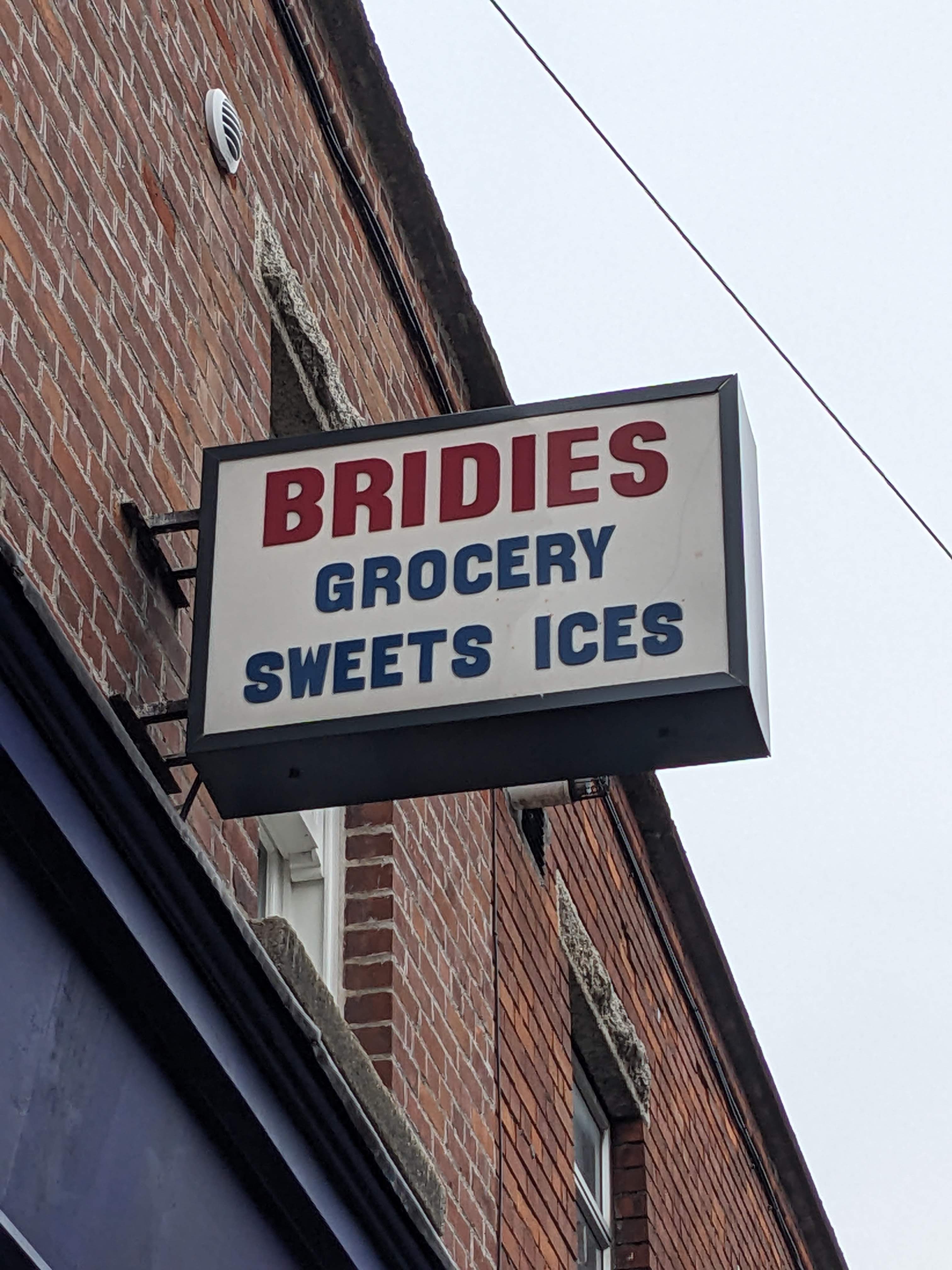
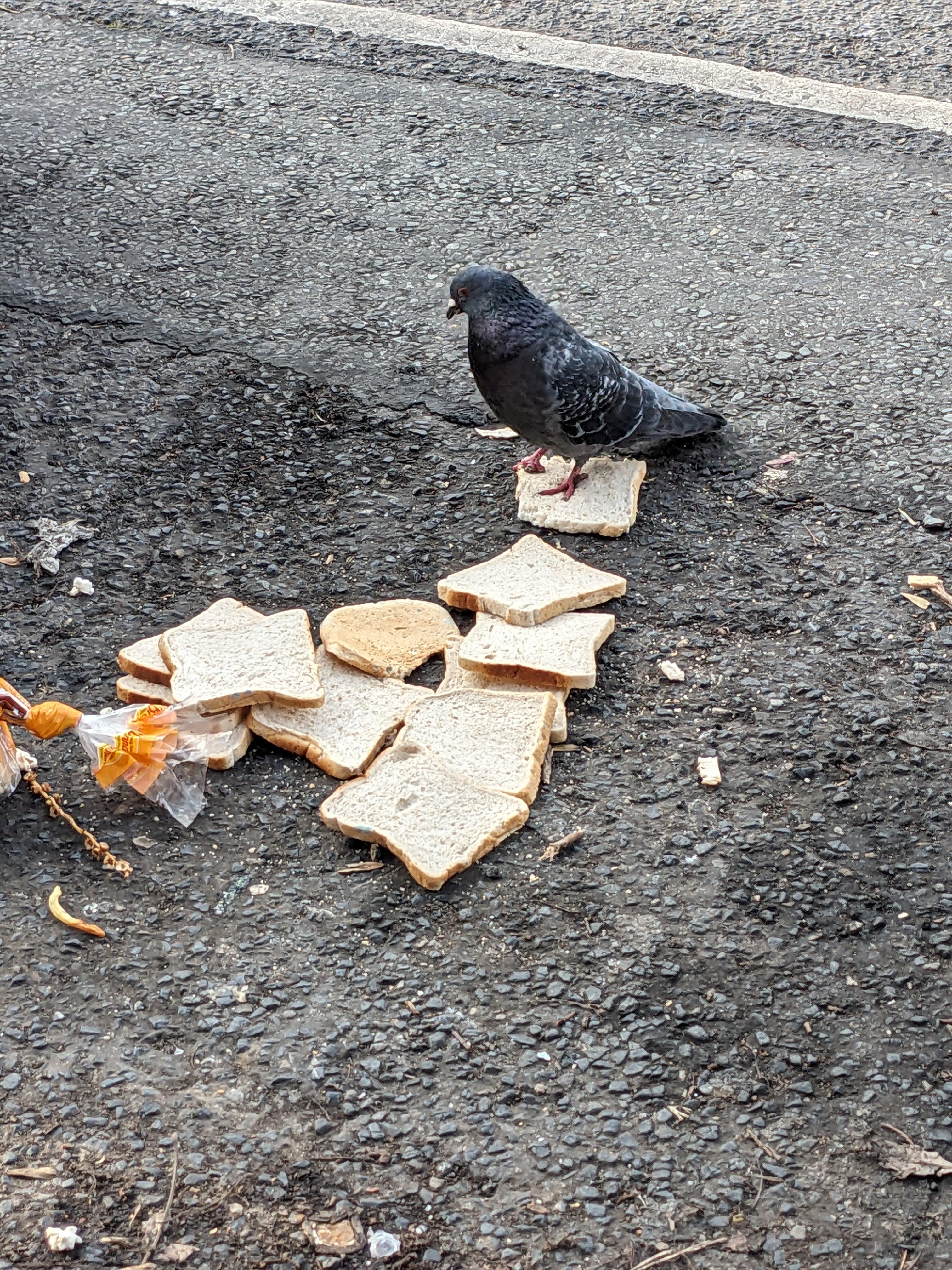
    Not when its things and its beings collaborate to make puns like this.

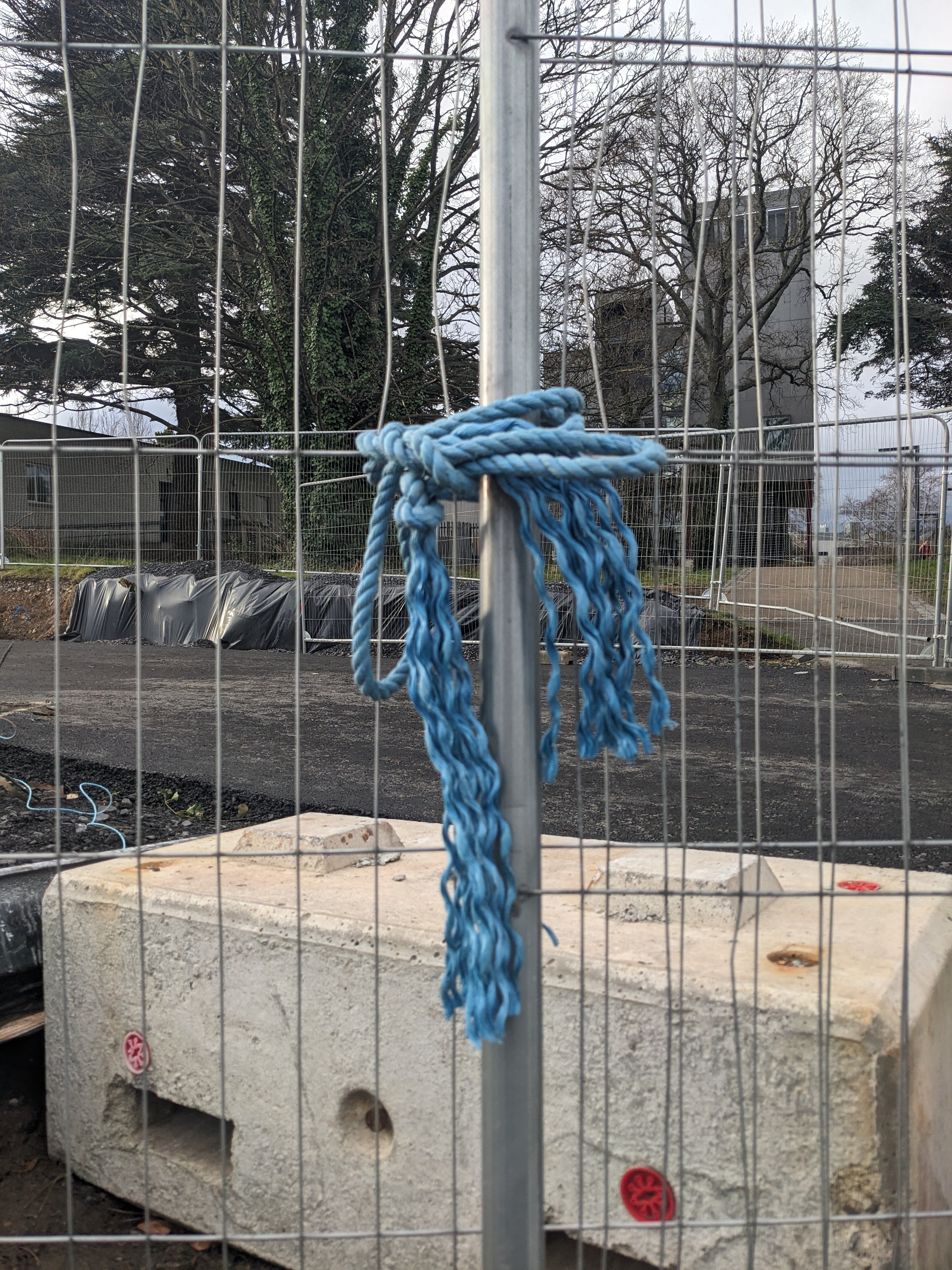
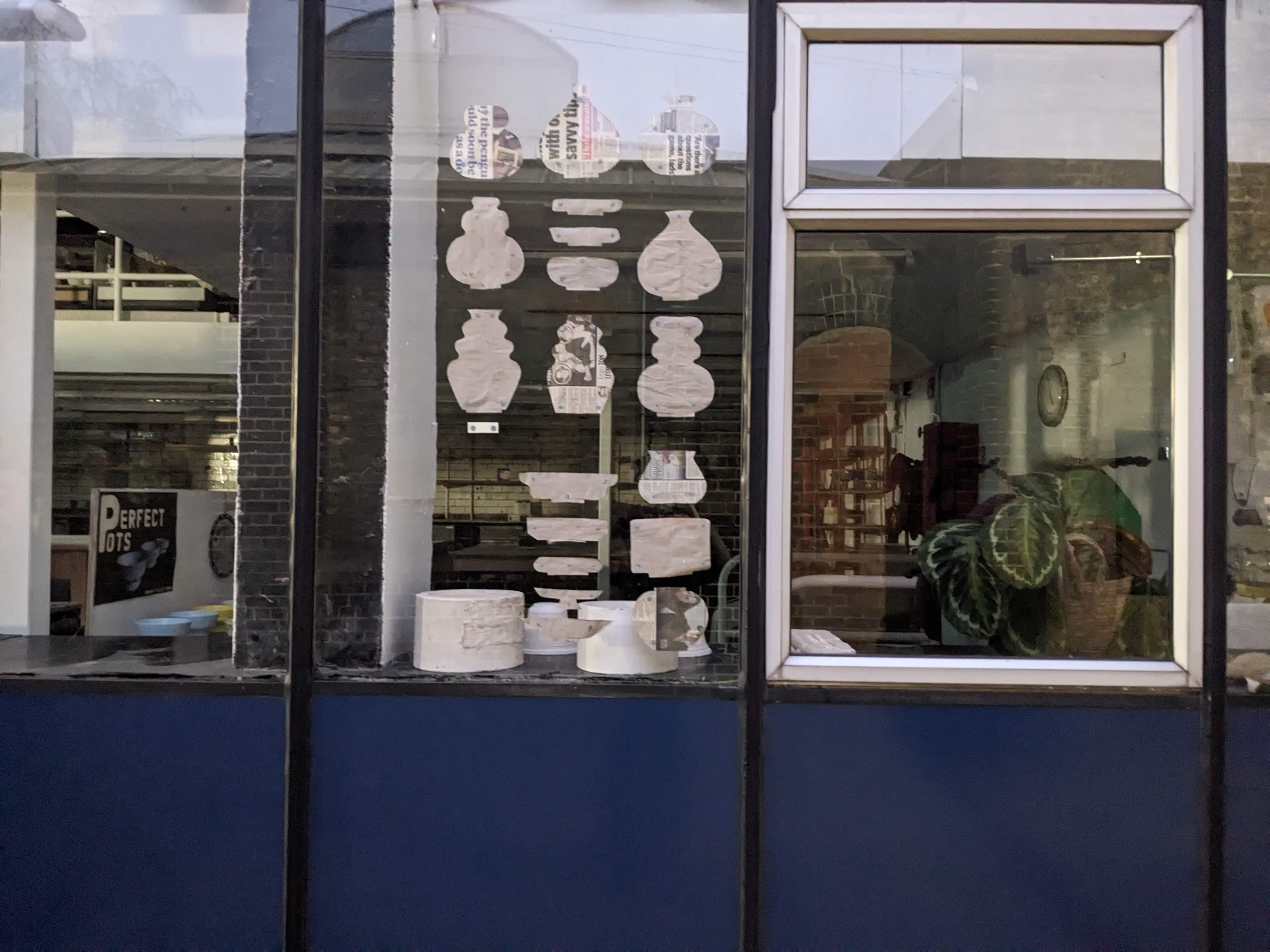
    Not when at a construction site you may find the entrance to a temple.

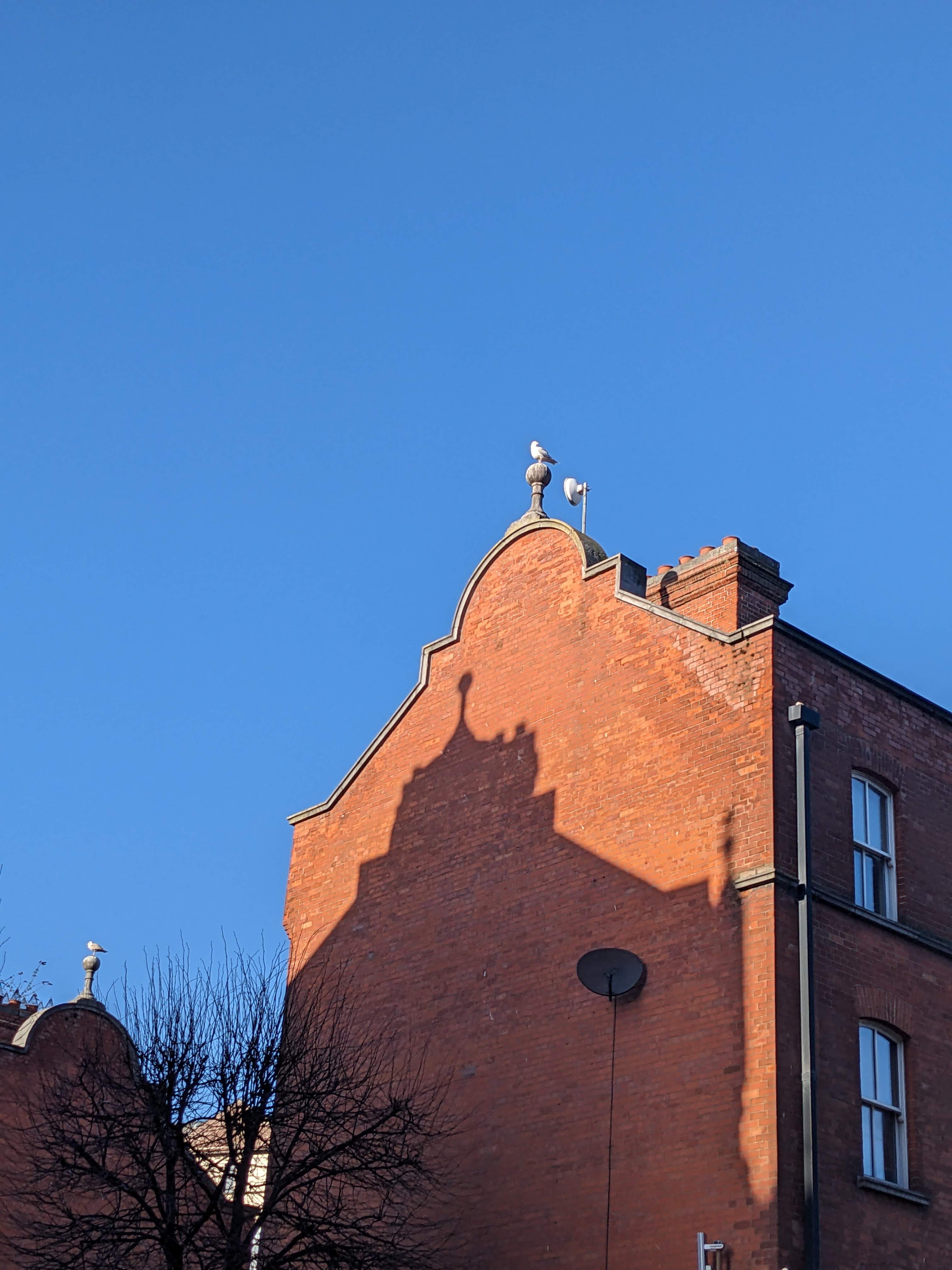
    Not when it explains simile so beautifully.

    Not when it looks right back at your curious eyes with its own.

    Not when it speaks itself so perfectly and particularly.

    Not when it offers lessons in form around every corner.

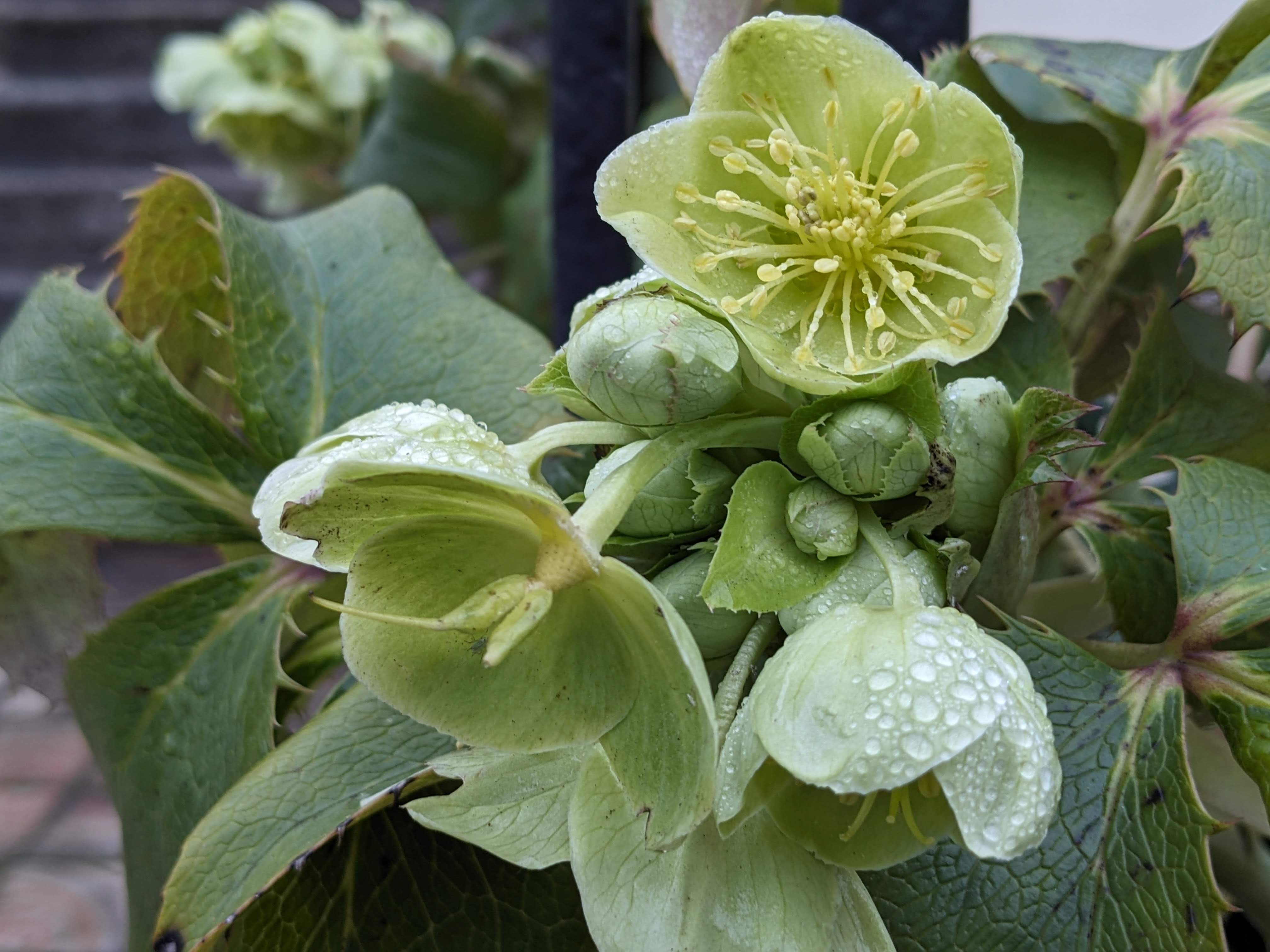
    Not when it teaches color theory with a gentle insistence.

    Not to mention the lessons it offers in comedy, and in sheer pleasure.

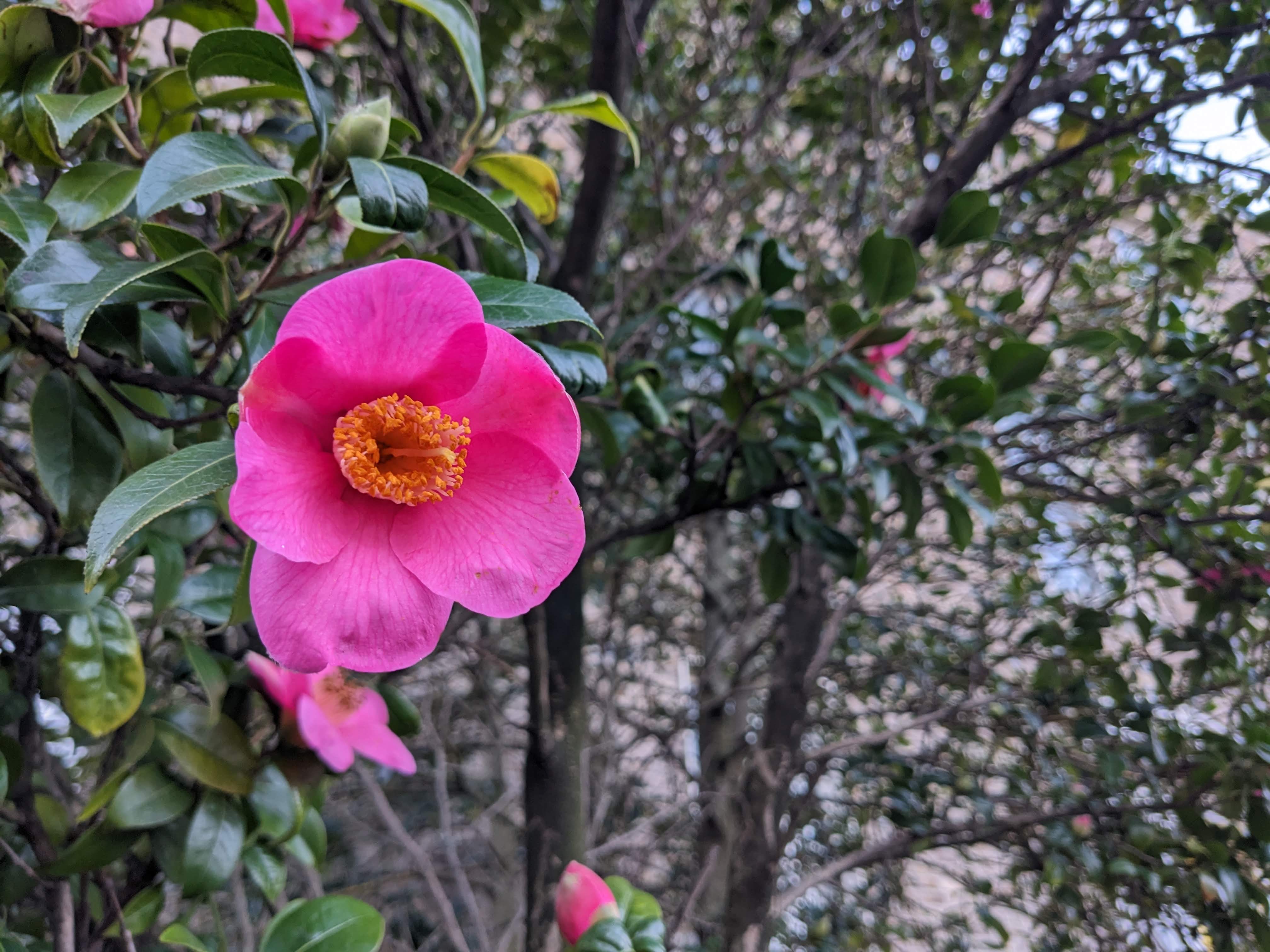
    Not when it articulates its understanding of time in neon pink, in January.

    Not when it is always reminding us how our letters are made.

    No, no boredom possible in a world that is always showing me how to make poems (how to think relation, how to notice similarity and difference, how to attend to texture, surface, movement, shape, tone).

    Not in this world, which has given me the instructions for artmaking so plainly.

    No boredom, it says. Open, open.


    A few things in the world recently: The Bar Harbor Webcam lets you see the tides (and, recently, the terrible storms) at Bar Harbor (Maine, US) from anywhere with an internet connection. Our Grief is Not a Cry for War, Jim Costanzo, 2001. “A War Without End”, Ursula Le Guin. This is how you do courage and care. Organizing Power, a zine that costs $5 and explains how to organize in the workplace. The subtitle on this week’s post is from this poem.

    I saw someone articulate online that a ceasefire is called for as an end to an armed conflict, not an end to a genocide, which requires different demands. That makes sense. As the International Court of Justice has concluded that genocide is plausible, the demand must be an end to genocidal activities. Let’s make those demands. In the US. In Ireland. Easy enough to find a way wherever you are. Also if your country has defunded UNRWA as mine has, you can put some lunch money here.

    Thanks for reading. Go look at the world and please report back. See you next week.

  • [while washing the dishes]

    [while washing the dishes]

    looking through condensation

    Making a livable space, to one’s own taste, to fit one’s own needs, is a perfectly human activity, one that our shared humanity obliges us to preserve for one another. In making our houses, we make worlds: we experience what it means to be creative, inventive, curious, and capable. Living in a place of one’s own is for everyone. It’s not for sale (paywall should be down). Houses aren’t an investment opportunity. Dignified housing isn’t optional; it’s not just for people who happened to buy property before a bubble, or whose parents left them a house, or who inherited a down payment, or who work at jobs that pay a salary high enough to afford something, or who have an in on a house before it hits the open market. Housing is, very simply, for everyone. More than just the fact of a room and a roof—the ability to determine how to live in one’s own house is for everyone. A fundamental thing, to be able to make a home.

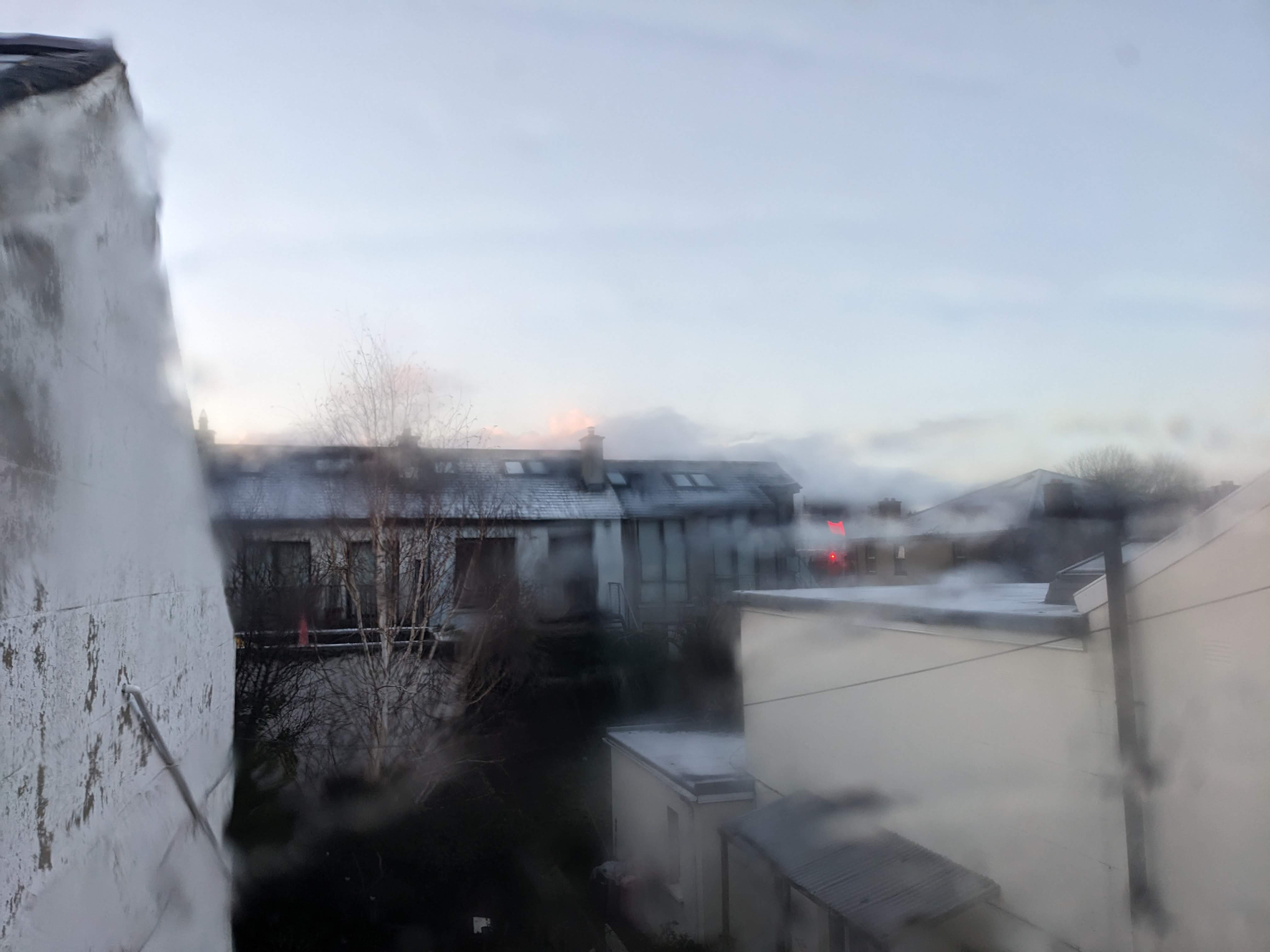
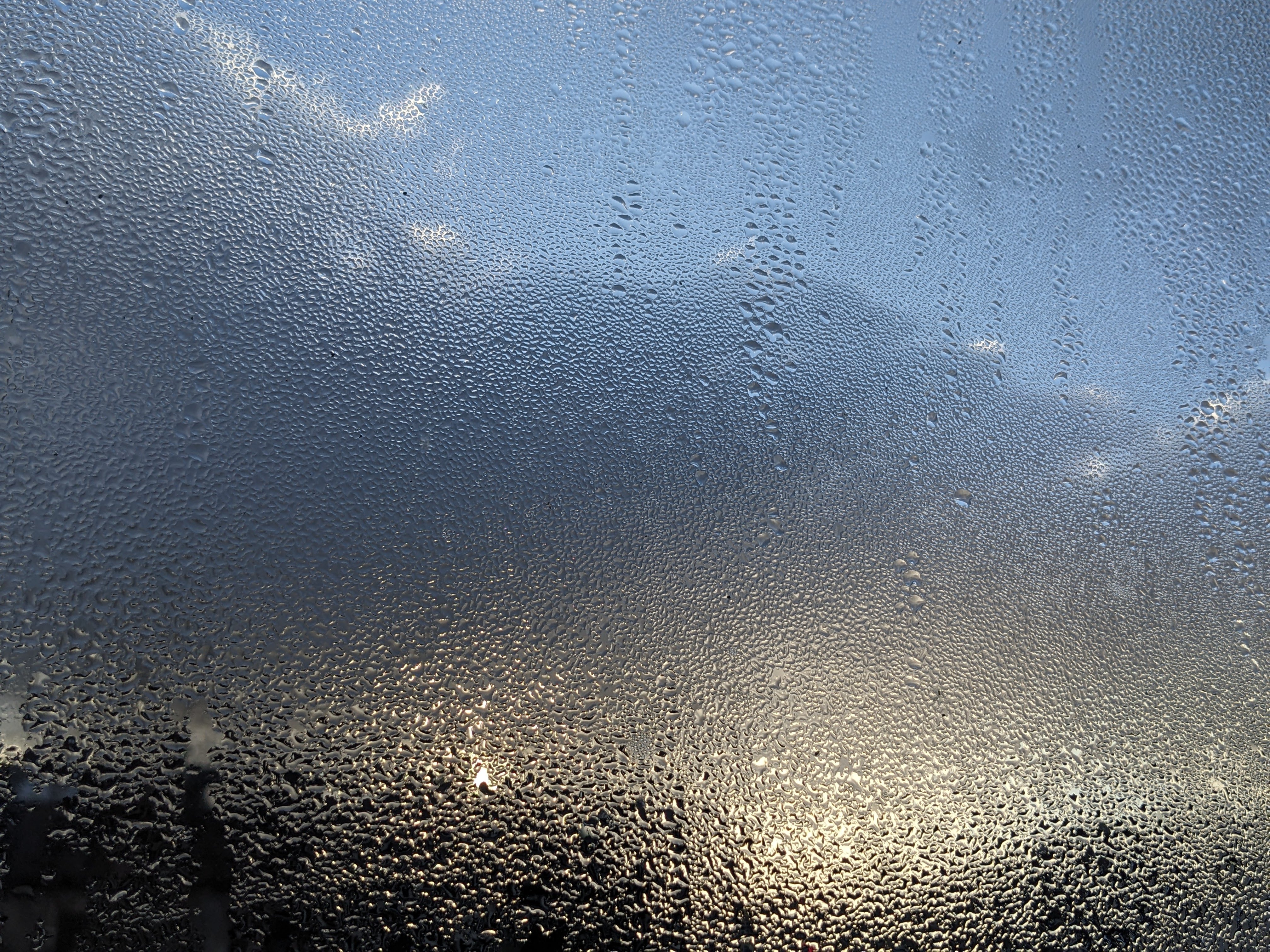
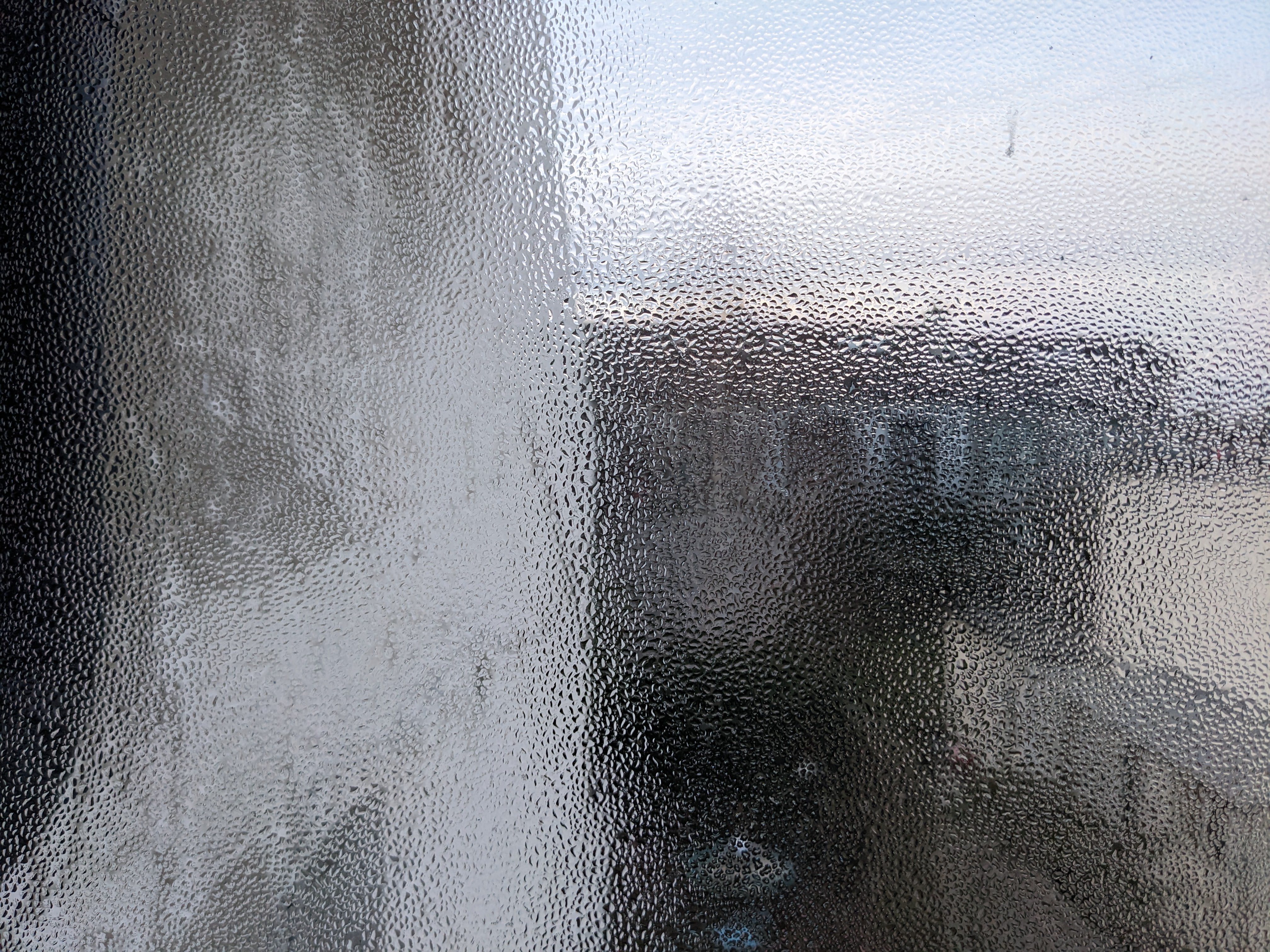
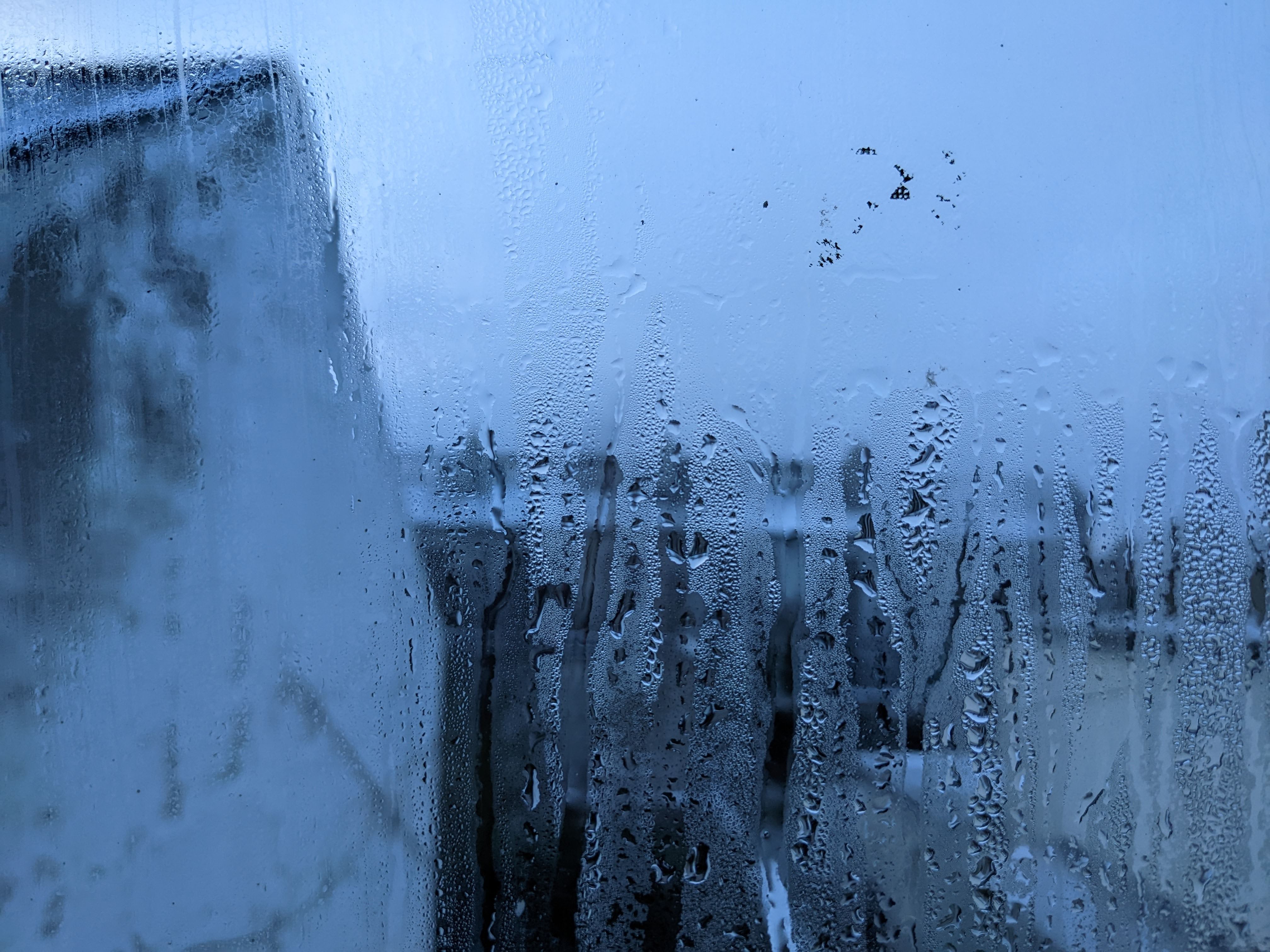
    We overlook our landlords’ back garden and the back of their house. It’s cold in Dublin, cold for Dublin, as I write this in early January; it’s not as cold as some places, but cold nevertheless, in a city where some people still heat with fires and where there are many people sleeping outside, in a city where damp permeates the walls no matter how long you run the heat. In the mornings, any morning when the overnight temperature has been below 10° Celsius (50° Fahrenheit), our windows are fogged with condensation that takes an entire day to clear, if it does. The water runs down the windows and collects in gutters on the sill. We mop it out, spray the windowframes with vinegar, and still: black mold and gray mold grow on the painted frames, the metal frames, the sills and the window glass. I can see the back windows of my landlord’s house, and they are never foggy. Not even on the coldest mornings.

    Every time I talk (or think) about the conditions of housing I share with so many people, I am reminded of James Baldwin writing about “the chorus of the innocents screaming, ‘No, this is not true, how bitter you are!’” and the steadiness of his insistence that he does know the conditions of his nephew’s life, and his own, because he was there and the “innocents”, his white fellow-citizens, were not. The accusation of bitterness, or shrillness, is on my mind when I write to my landlord and adjust my tone to seem conciliatory rather than demanding; or when I talk about what tenancy does to human beings but try not to make anyone in earshot feel bad for owning property; or when I reveal the facts of my life—the material facts of damp, mold, cold, expense, precarity, ugliness, and inflexibility that are the conditions of rented housing—to others, but try to make a joke at the end. Sara Ahmed, writing that “When you expose a problem, you pose a problem”, helps me understand Baldwin, and my own life, too. Bitter? No, I am not bitter—I am trying to be direct. I am trying to see my life clearly and to be honest about the conditions of it. I’m trying not to let myself imagine that if we could just get a house of our own, everything would be better. I’m trying to remain in the discomfort of posing a problem. I have the lived knowledge that poorly maintained, poorly insulated, expensive, disempowering, unhealthy and even unsafe conditions that are sometimes impossible to remediate are the conditions of life for nearly all people who rent, and that these are not, generally, the conditions of the lives of those who own the places we live. And yet our lives, including the vital activities of our housekeeping and homemaking, are not second-class lives.

    Dear [Landlord],

    Thank you for your email. I wanted to remind you that our lives and our comfort are paying your bills. My lungs have not been the same since we moved in, despite our consistent efforts at mold removal. And although you generously outfitted the apartment with your cast-off furniture and chipped plates, you may be surprised to hear that your table-lamps, dishes, IKEA paintings, and scented oil–diffusers are all packed away neatly in the apartment’s one storage cupboard to make room for the pleasing, beautiful things that we have collected over the course of our lives and like to live among. Yes, Landlord, we like our things, and we like to make the place we live reflect our preferences. The picnic furniture—fluorescent yellow seat cushions, rigid iron-and-wicker frames—that you provided in lieu of kitchen chairs takes up a lot of space in the kitchen, but we have moved it to the side so that we can have our own chairs at the table. We can’t do much about the huge, slightly broken couches you put in the apartment, but we have moved them around to suit our taste, and we have found ways of padding the seats with cushions so that sitting on them for longer than ten minutes doesn’t hurt the back. I won’t even mention the moths we have eradicated, or the dead animal we have been trying to find in the wall or in the attic, that you seem to be in no rush to address, or the fact that there is a significant crack in our ceiling that arrived with last summer’s heavy rains that you have yet, six months on, to find a roofer to check out.

    I am aware that you are responsible for property taxes, for upgrades and improvements to the building, and for certain other legal requirements the state imposes on landlords. Are you aware that the current average rent in Dublin is €2300 and that the average salary is around €3200 per month? We pay slightly less than that average rent to you at the end of each month. What does our €25,000 per year become, in your bank account? In ours it might be savings toward a down payment, or an emergency medical fund, or money to send to family members, or contributions to others’ emergency funds. Maybe we would buy books with it? I honestly can’t imagine what an ‘extra’ €25,000 per year would be like, or imagine a world in which that would feel anything other than embarrassing.

    Let me make a modest proposal. You already have a house of your own. Let us free one another: you give us this apartment, which has, after fifteen years of tenants, more than paid for itself (the sale price appears in the public record) and we will take care of the property taxes, the mold, the dead pigeons in the attic, the boiler upgrades etc., from now on. As we will no longer have rent to pay, we will put our yearly €25,000 toward housing—down payment contributions, emergency fund, whatever—for someone else. I look forward to your thoughts.

    Best regards,
    [Quixote].

    In Ireland: Community Action Tenants’ Union. Wherever you are: Tenants Together.

    Meanwhile, elsewhere, people are living in rubble, and near and far people are living in tents. My god. Homes, safe, warm, dignified, and freeing, for everyone, everywhere. A little thing we can do from here. And this (US), and this (US).

    Thanks for reading. See you next week.